Logo

How to Find a Reliable Clothing Manufacturer in Europe

Finding a clothing manufacturer is easy.

Finding one that understands your product, communicates clearly, meets deadlines and delivers consistent quality is considerably harder.

A polished website does not prove that a company owns a factory.

A low quotation does not prove that the supplier can manufacture your design.

A certificate attached to an email does not prove that it covers your order.

And one good sample does not guarantee that 500 production units will arrive with the same measurements, colour and finishing.

The right manufacturing partner should match:

  • Your product category
  • Your quality level
  • Your quantities
  • Your target production price
  • Your development needs
  • Your delivery deadline
  • Your compliance requirements
  • Your preferred communication style

This guide explains where to find European clothing manufacturers, how to verify them and what to confirm before paying for samples or production.

European Clothing Manufacturing at a Glance

RegionCommon strengths
PortugalJersey, streetwear, loungewear, knitwear, footwear and premium small-to-medium production
ItalyLuxury fabrics, tailoring, knitwear, leather goods and specialist finishing
SpainFashion apparel, knitwear, footwear and accessories
FranceLuxury development, specialist ateliers and small premium production
RomaniaCut-and-sew manufacturing, tailoring, dresses, outerwear and competitive European production
BulgariaCut-and-sew garments, sportswear, uniforms and fashion production
PolandWorkwear, sportswear, underwear and technical products
LithuaniaLinen, knitwear, fashion garments and smaller production runs
TurkeyLarge textile ecosystem, jersey, denim, knitwear and higher-volume manufacturing

These are broad tendencies, not guarantees.

A factory’s actual machinery, team, experience and supplier network matter more than the country printed in its address.


1. Define Your Project Before Searching

Most founders begin by searching:

Clothing manufacturer Europe

That is too broad.

A manufacturer producing heavyweight streetwear hoodies may not be suitable for:

  • Structured swimwear
  • Technical running products
  • Tailored jackets
  • Seamless underwear
  • Leather handbags
  • Denim
  • Footwear

Before contacting suppliers, define the project clearly.

You should know:

Product category

For example:

  • T-shirts
  • Hoodies
  • Activewear
  • Swimwear
  • Underwear
  • Dresses
  • Knitwear
  • Denim
  • Outerwear
  • Footwear

Production model

Choose between:

  • Existing blanks
  • Private label
  • Customized existing products
  • Fully custom cut-and-sew

Quantity

State:

  • Total quantity per style
  • Quantity per colour
  • Approximate size breakdown

Target price

Define the maximum production price that works with your retail price and margin.

Deadline

Include:

  • Sample deadline
  • Production-delivery deadline
  • Planned launch date

Technical information

Prepare:

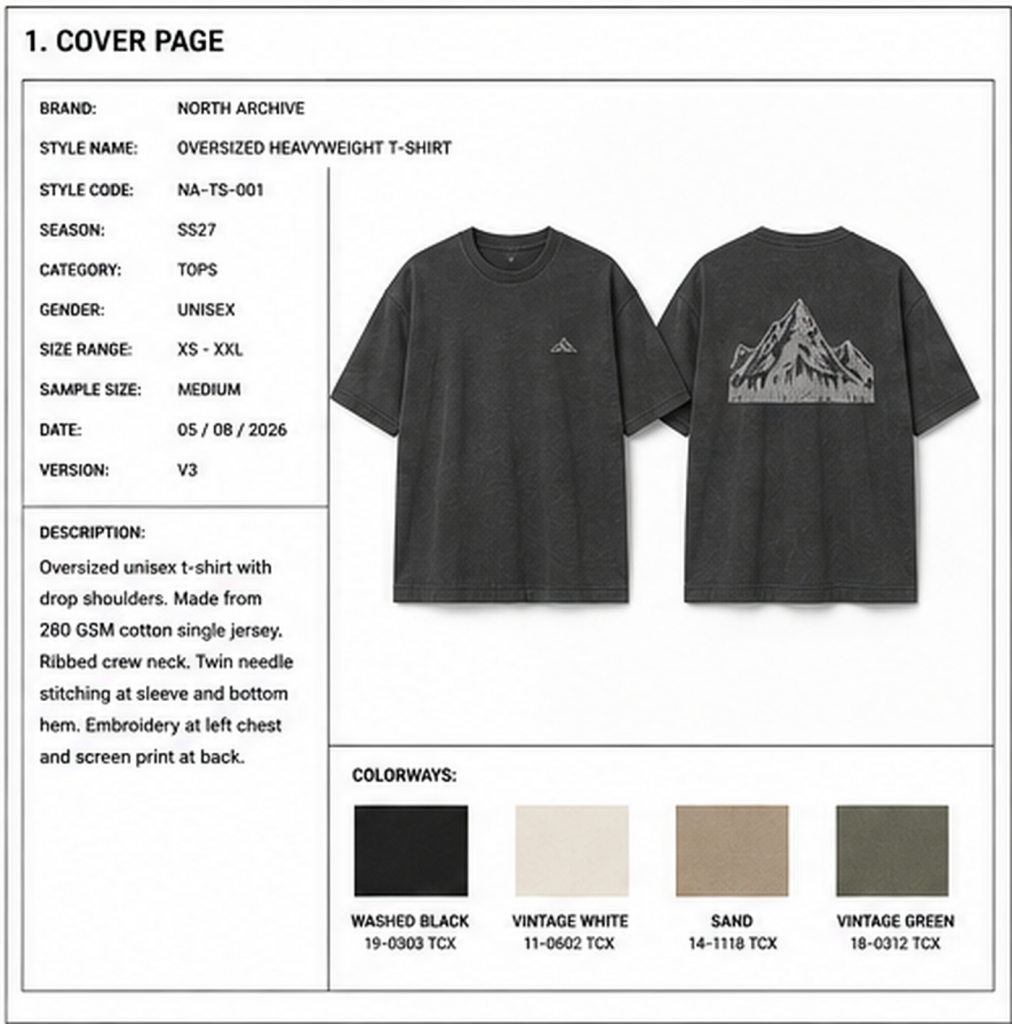
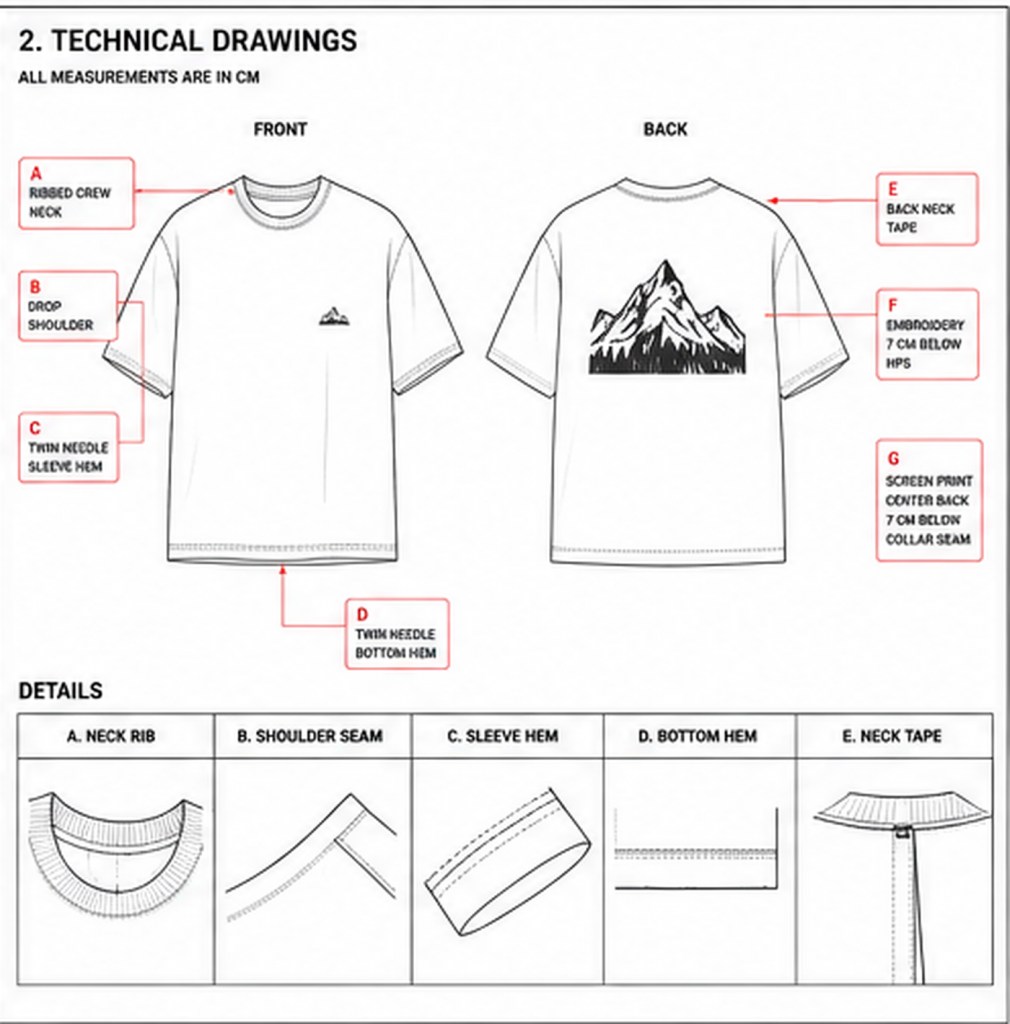
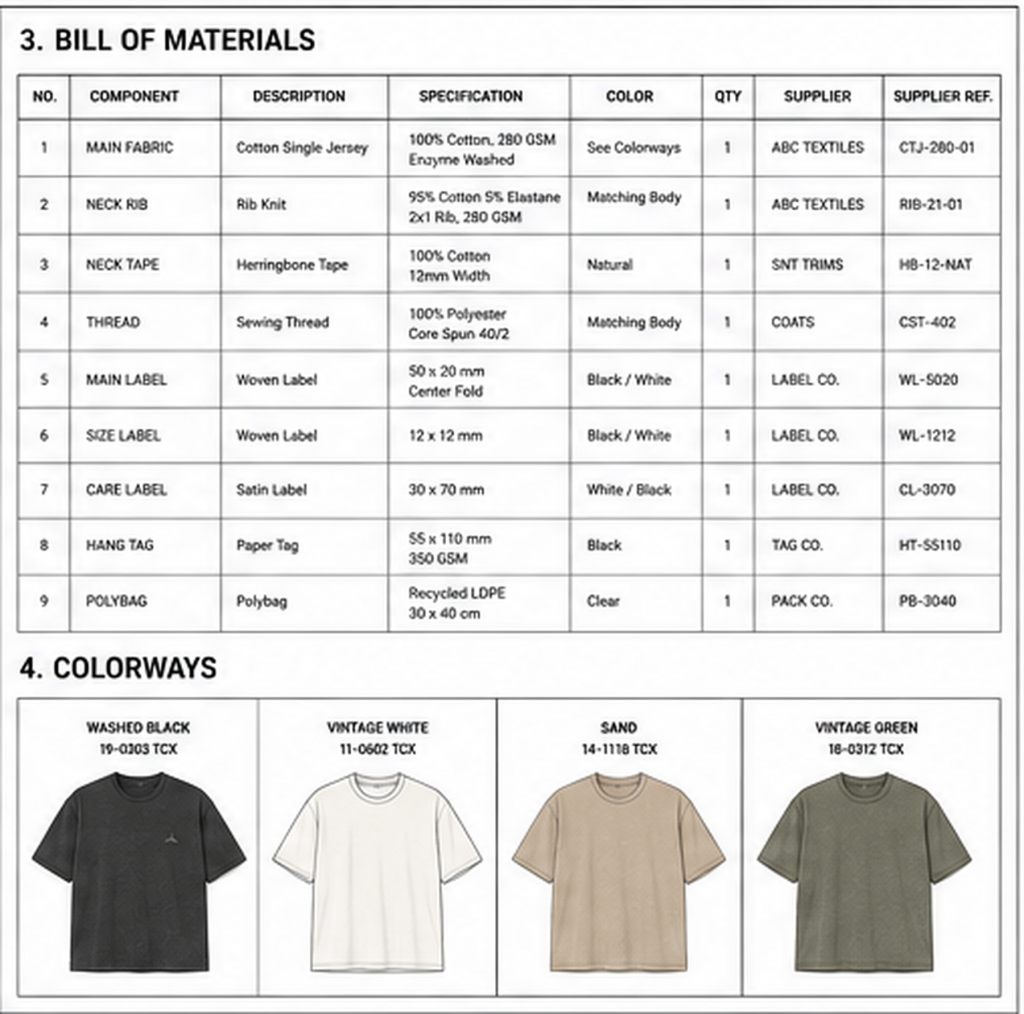
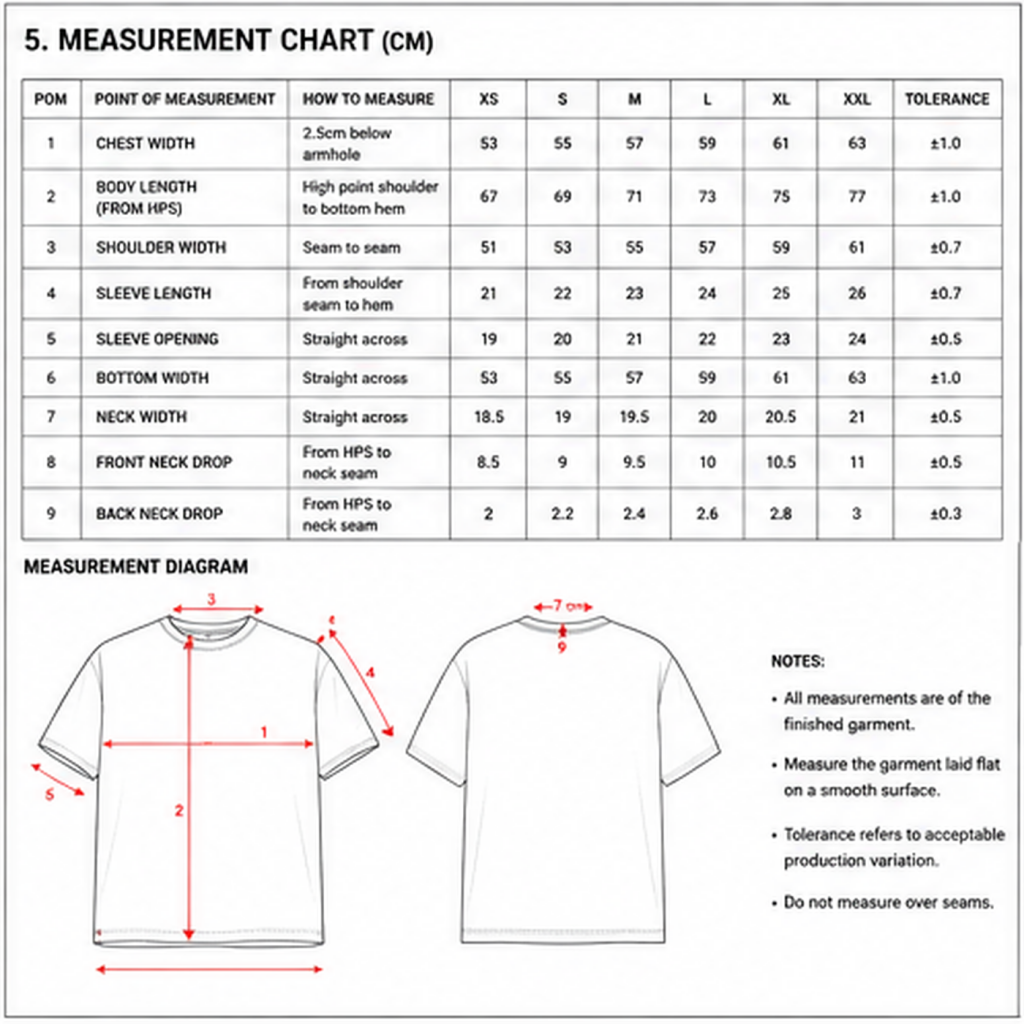
  • Tech packs
  • Technical drawings
  • Measurement charts
  • Physical reference samples
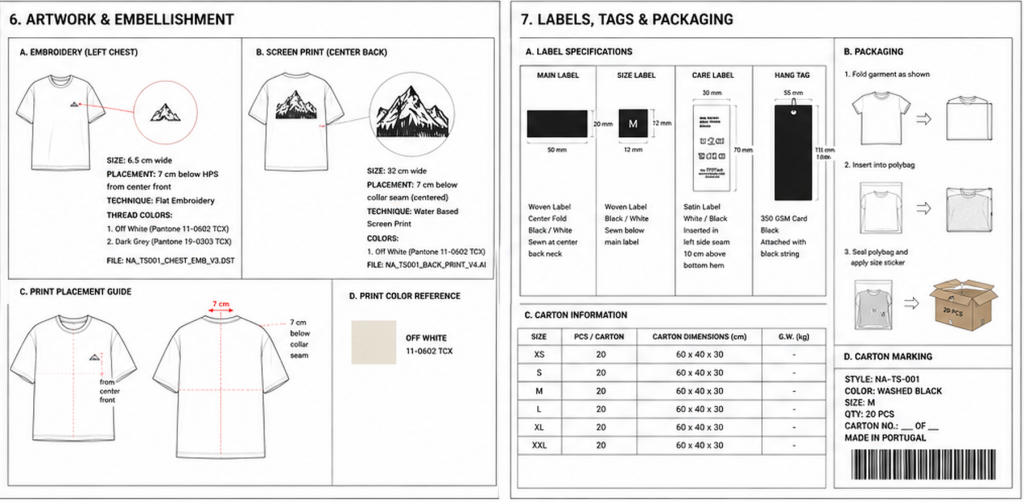
  • Artwork
  • Fabric requirements
  • Label specifications

Manufacturers cannot accurately evaluate a project described only as:

We want premium sustainable streetwear at an affordable price.

Translate the idea into product information.


2. Understand Who You Are Contacting

Not every clothing supplier is the same.

You may be speaking with a:

  • Factory
  • Manufacturer
  • Production agency
  • Sourcing agency
  • Trading company
  • Wholesaler
  • Print studio
  • Private label provider
  • Garment decorator

None of these models is automatically bad.

The problem appears when the business presents itself as something it is not.


Direct Factory

A direct factory owns or operates the facility producing the garments.

Advantages

  • Direct technical communication
  • Greater visibility over production
  • Potentially lower intermediary costs
  • Easier factory visits

Limitations

  • May offer only one part of production
  • May not source every fabric or trim
  • May expect detailed technical documentation
  • May have limited English-speaking commercial support

Production or Sourcing Agency

An agency coordinates several specialist suppliers.

It may manage:

  • Fabric sourcing
  • Pattern development
  • Sampling
  • Printing
  • Embroidery
  • Garment production
  • Quality control
  • Packaging
  • Delivery

Advantages

  • One contact for several processes
  • Access to specialist factories
  • Support for founders with limited production experience
  • Easier management of complex collections

Limitations

  • Additional service margin
  • Less direct communication with each factory
  • Quality depends on the agency’s supplier network and controls

A reliable agency should explain transparently which services are completed internally and which are subcontracted.


Private Label Supplier

A private label supplier offers established garments that can be customized through:

  • Colours
  • Labels
  • Prints
  • Embroidery
  • Packaging

This reduces the development time and risk associated with completely custom products.

Private Label Clothes currently offers customizable Portuguese T-shirts, hoodies, sweatpants and shorts from minimum quantities of 100 units per product.


3. Where to Find Clothing Manufacturers in Europe

Use several sourcing channels rather than depending on one directory.


Industry Referrals

Ask:

  • Designers
  • Pattern makers
  • Fabric suppliers
  • Printers
  • Embroidery companies
  • Fashion consultants
  • Other founders

A recommendation from someone who has completed real production is often more useful than an anonymous review.

Ask specific questions:

  • What did they manufacture?
  • How many units?
  • Was production delivered on time?
  • Were measurements consistent?
  • How did the supplier solve problems?
  • Would they place another order?

Textile and Fashion Trade Shows

Trade shows allow brands to:

  • Meet suppliers in person
  • Compare fabrics
  • Examine sample garments
  • Discuss quantities
  • Understand specializations
  • Build several contacts in one visit

Prepare before attending.

Bring:

  • Product overview
  • Technical drawings
  • Quantity estimates
  • Target prices
  • Deadlines
  • Business cards
  • Reference samples

Do not spend the meeting explaining your entire brand story before confirming whether the supplier manufactures your product category.


Professional Networks and Industry Associations

European textile clusters, industry associations and business networks can help identify potential partners.

The Enterprise Europe Network has a specialist textiles group covering fashion garments, yarns, footwear, leather, manufacturing processes and international commercial partnerships across more than 20 countries.


Certification Databases

Certification databases are useful when particular standards are essential.

You can search:

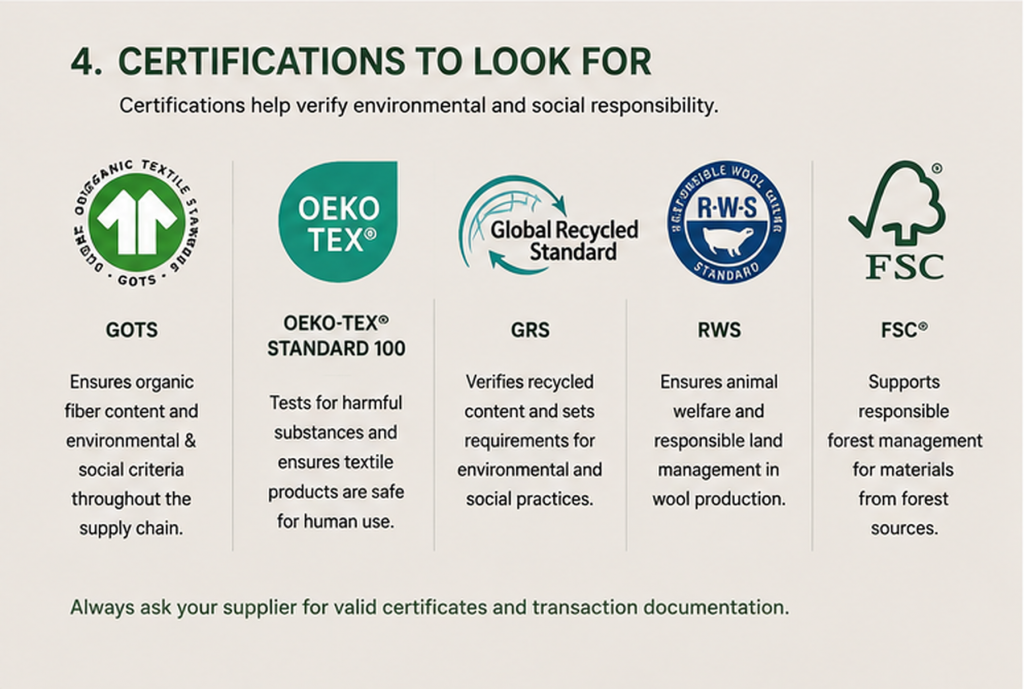
  • GOTS-certified suppliers
  • Textile Exchange-certified companies
  • OEKO-TEX-certified manufacturers and products

The official GOTS supplier database allows searches by location, certified operation and product category. Textile Exchange provides a database based on active scope-certificate information, while the OEKO-TEX Buying Guide lists certified manufacturers, brands and products.

Certification does not prove that the supplier is suitable for your design, MOQ or price.

It helps narrow the search and verify specific claims.


Search Engines and Social Media

Search using specific combinations such as:

  • Heavyweight T-shirt manufacturer Portugal
  • Low MOQ knitwear factory Lithuania
  • Swimwear manufacturer Spain
  • Cut-and-sew clothing manufacturer Romania
  • Private label hoodie manufacturer Europe
  • Technical activewear manufacturer Poland

Review:

  • Website
  • LinkedIn
  • Company address
  • Employee profiles
  • Factory photographs
  • Production videos
  • Trade-show participation
  • Product categories

Social media can show current activity, but it should not replace legal and commercial verification.


4. Create a Shortlist Instead of Contacting Everyone

Do not send the same generic email to 100 manufacturers.

Create a shortlist of approximately five to ten companies that appear suitable.

Evaluate:

  • Product specialization
  • MOQ
  • Country
  • Communication
  • Materials
  • Certifications
  • Development services
  • Lead times
  • Price positioning
  • Existing work

A manufacturer specializing in the correct product is usually more valuable than a general supplier offering every category.


5. Send a Professional First Enquiry

Your initial message should allow the manufacturer to decide quickly whether the project is suitable.

Include:

  • Short brand introduction
  • Product category
  • Number of styles
  • Quantity per style and colour
  • Target production price
  • Deadline
  • Delivery country
  • Tech pack or reference sample
  • Required certifications
  • Whether you need private label or custom development

Example Project Summary

We are developing a three-piece streetwear capsule consisting of one heavyweight T-shirt, one hoodie and one pair of sweatpants.

Our estimated first order is 200 units per style across one or two colours. We are targeting an EXW production price of €18–€22 for the T-shirt, €35–€42 for the hoodie and €28–€35 for the sweatpants.

We require custom labels, screen printing and embroidery. Our planned production-delivery deadline is February 2027. Tech packs are attached.

This gives the supplier enough information to provide a meaningful response.


6. Verify That the Company Legally Exists

Before sending money, confirm the business identity.

Request:

  • Registered company name
  • Company registration number
  • VAT number
  • Registered address
  • Factory or office address
  • Bank-account holder
  • Commercial contact
  • Website and company email

The bank-account holder should normally correspond with the company issuing the invoice.


Check the European Business Register

The European e-Justice Portal provides access to company information from interconnected national business registers across the EU, Iceland, Liechtenstein and Norway. Depending on the national register, available information may include legal representatives, annual accounts and registered capital.


Verify the VAT Number

The European Commission’s VIES service allows users to check whether an EU VAT number is registered for cross-border trade.

A valid VIES result confirms that VAT information exists in the relevant national system. An invalid result may mean that the number does not exist, is not activated for intra-EU transactions or is not yet fully registered.

Save the verification record with your supplier documentation.

VIES alone does not prove manufacturing capability or financial stability.

It confirms only a specific registration status.


7. Confirm the Factory’s Real Capabilities

Ask what the supplier completes internally.

For example:

  • Pattern making
  • Cutting
  • Sewing
  • Knitting
  • Dyeing
  • Washing
  • Printing
  • Embroidery
  • Label production
  • Packing
  • Quality control

Also ask which processes are subcontracted.

Subcontracting is common in European textile clusters.

A sewing factory may use specialist partners for:

  • Fabric dyeing
  • Digital printing
  • Embroidery
  • Garment washing
  • Pleating
  • Seam sealing
  • Laser cutting

The important issue is whether the supplier controls those partners effectively.


Ask for Relevant Production Examples

Request examples similar to your design in terms of:

  • Fabric
  • Weight
  • Construction
  • Fit
  • Print
  • Embroidery
  • Wash
  • Product category

Do not be impressed by an unrelated luxury jacket when you need technical leggings.

Relevant experience matters.


8. Request a Video Call or Factory Visit

A video call can reveal more than weeks of email.

Ask the supplier to show:

  • Office
  • Sample room
  • Production area
  • Machinery
  • Fabric storage
  • Cutting department
  • Quality-control area
  • Packing area

This does not guarantee reliability, but it helps confirm that the operation matches the company’s description.

For larger projects, visit the supplier before production.

During the visit, observe:

  • Organization
  • Cleanliness
  • Product handling
  • Work-in-progress identification
  • Storage
  • Quality controls
  • Communication between departments
  • Whether your contact understands the production floor

A beautiful reception area is less important than a controlled production process.


9. Verify Certifications Properly

Do not accept a certificate screenshot without checking it.

Request:

  • Full certificate
  • Certificate number
  • Certified legal entity
  • Certified address
  • Certification body
  • Validity dates
  • Certified processes
  • Product scope

The company named on the certificate should match the supplier or the clearly identified production partner.


GOTS

Use the official GOTS supplier database to verify certified entities and the products or operations covered by their certification. The database is updated using information from approved certification bodies.


GRS, RCS, OCS and RWS

Textile Exchange provides a certified-company search based on current scope-certificate data.

A scope certificate confirms that a company is certified for particular operations and products. It does not automatically prove that your specific shipment contains certified material.

Ask whether a transaction certificate will be available for your order.


OEKO-TEX

OEKO-TEX provides:

  • A label-check service
  • A certified-product and manufacturer directory
  • Certification information for textiles, facilities and chemicals

The official Buying Guide can be used to search certified cooperation partners and products.


10. Evaluate Communication Quality

Reliable manufacturing depends on accurate communication.

Observe whether the supplier:

  • Answers your questions directly
  • Identifies missing information
  • Explains limitations
  • Confirms details in writing
  • Uses clear measurements and terminology
  • Provides realistic timelines
  • Flags technical risks
  • Sends organized quotations
  • Maintains one consistent contact

A supplier who agrees with everything without asking technical questions may not fully understand the project.

Good manufacturers sometimes say:

  • This construction is not suitable for that fabric.
  • This target price is not realistic.
  • This embroidery is too detailed at that size.
  • This deadline cannot be guaranteed.
  • This colour requires a larger fabric minimum.

Honest limitations are usually safer than automatic promises.


11. Compare Quotations Correctly

Two quotations may appear similar while including completely different services.

Compare:

  • Incoterm
  • Product cost
  • Sample cost
  • Pattern cost
  • Fabric
  • Fabric weight
  • Printing
  • Embroidery
  • Labels
  • Hang tags
  • Packaging
  • Quality control
  • Delivery
  • Taxes
  • Duties
  • Setup fees
  • Payment terms

Confirm the Incoterm

Common terms include:

  • EXW
  • FCA
  • FOB
  • DAP
  • DDP

An EXW price generally covers the goods at the supplier’s premises, while the buyer arranges onward collection and transport.

A DDP price may include delivery and import-related responsibilities.

Never compare an EXW quotation directly with a delivered quotation without calculating the complete landed cost.


Ask What Is Excluded

Request a written list of exclusions.

Possible exclusions include:

  • Fabric surcharges
  • Labels
  • Packaging
  • Printing screens
  • Embroidery digitization
  • Sample courier
  • Testing
  • Quality inspections
  • Freight
  • VAT
  • Duties

12. Test the Manufacturer with a Sample

A sample is not simply a visual preview.

It tests:

  • Technical understanding
  • Pattern development
  • Material sourcing
  • Construction
  • Communication
  • Attention to detail
  • Ability to follow corrections

Never approve bulk production from a digital mock-up alone.


Evaluate the Sample

Check:

Fabric

  • Composition
  • GSM
  • Colour
  • Texture
  • Stretch
  • Recovery
  • Transparency
  • Pilling

Fit

  • Chest
  • Length
  • Shoulder
  • Sleeve
  • Waist
  • Rise
  • Leg opening
  • Overall silhouette

Construction

  • Seam type
  • Stitch consistency
  • Reinforcement
  • Symmetry
  • Collar
  • Cuffs
  • Pockets
  • Zip application
  • Loose threads

Branding

  • Print size
  • Print position
  • Embroidery quality
  • Label placement
  • Label comfort
  • Hang tags
  • Packaging

Performance

  • Wash shrinkage
  • Colourfastness
  • Print durability
  • Shape recovery
  • Pilling
  • Seam strength

Photograph and measure the sample before and after washing.


13. Send Measurable Sample Comments

Avoid comments such as:

  • Make it more premium.
  • The fit feels strange.
  • The fabric is not right.
  • Please improve the collar.

Use measurable instructions.

Better

Reduce the body length from 74 cm to 71 cm in size M.

Better

Increase the finished collar height from 18 mm to 22 mm.

Better

Move the centre-back print 3 cm lower, from 4 cm below the collar seam to 7 cm.

Better

Replace the current 240 GSM fabric with the approved 280 GSM reference submitted on 4 August 2026.

A reliable manufacturer should record these changes and update the technical documents.


14. Request a Pre-Production Sample

The development sample may use substitute fabric, labels or colours.

Before bulk production, request a pre-production sample made using the approved:

  • Fabric
  • Colour
  • Trims
  • Labels
  • Print
  • Embroidery
  • Construction
  • Measurements
  • Packaging

Approve it in writing.

Keep one approved sample as the physical standard against which bulk production will be checked.


15. Confirm Quality-Control Procedures

Ask the manufacturer:

  • When are materials inspected?
  • Are measurements checked during production?
  • How are shade variations controlled?
  • Is printing checked before full production?
  • How are defects classified?
  • What inspection percentage is used?
  • Can an external inspection company visit?
  • What happens when units fail inspection?
  • Is a final measurement report available?

For larger orders, consider arranging independent quality control before the final payment or shipment.


Define Acceptable Quality

Your tech pack or purchase agreement should identify:

  • Measurement tolerances
  • Print-position tolerances
  • Colour requirements
  • Stitching requirements
  • Packaging standards
  • Defect classifications
  • Inspection procedure
  • Remedy for defective units

“Premium quality” is not measurable.


16. Review Payment Terms Carefully

Common arrangements may include:

  • Sample payment in advance
  • Production deposit
  • Balance before shipment
  • Balance after inspection
  • Letter of credit for larger orders

Avoid sending payment when:

  • The legal company name is unclear
  • The bank account belongs to an unrelated individual
  • No formal quotation exists
  • Product details are missing
  • Payment terms change unexpectedly
  • The supplier pressures you to pay immediately
  • No invoice is issued

For a new relationship, avoid paying the entire bulk-production value before any meaningful production milestone unless there is a clear commercial reason and sufficient protection.


17. Use a Written Purchase Agreement

For serious production orders, document:

  • Style references
  • Quantities
  • Colours
  • Sizes
  • Unit prices
  • Total value
  • Incoterm
  • Delivery date
  • Approved specifications
  • Quality tolerances
  • Packaging
  • Payment schedule
  • Ownership of patterns and artwork
  • Confidentiality
  • Defective-product procedure
  • Delay procedure
  • Cancellation terms
  • Governing law

Email conversations are useful evidence, but they should not be the only record of a significant production agreement.


18. Confirm Who Owns the Pattern and Materials

Ask:

  • Who owns the pattern?
  • Can the pattern be transferred?
  • Who owns custom moulds or screens?
  • Who stores unused fabric?
  • Can remaining labels be returned?
  • Can the factory use your design for another customer?
  • What happens if cooperation ends?

If the brand pays for original pattern development, ownership should be addressed clearly.

Never assume.


19. Check European Product-Compliance Awareness

A reliable European supplier should understand that manufacturing and selling responsibilities are separate.

Even when the factory produces the garment, the brand placing the product on the market may remain responsible for compliance.


Textile Fibre Labelling

EU textile rules require consumer products to state fibre composition using recognized fibre names.

The information must be durable, visible, legible and accessible, and it generally needs to appear in the official language or languages of the country where the product is sold.

Ask the supplier to confirm:

  • Exact fibre composition
  • Label dimensions
  • Label material
  • Required languages
  • Position
  • Durability

General Product Safety

The EU General Product Safety Regulation requires relevant economic operators to place only safe products on the market.

Manufacturers have obligations involving risk analysis, technical documentation, product identification, traceability and action when a product is considered dangerous.

Your manufacturer should be able to provide accurate product and supply-chain information needed for your compliance documentation.


20. Start with a Controlled First Order

Do not make your first order unnecessarily large merely to reduce the unit price.

A smaller initial production allows you to evaluate:

  • Bulk quality
  • Colour consistency
  • Size distribution
  • Delivery reliability
  • Customer feedback
  • Returns
  • Bestseller potential

The cheapest unit price is not useful when half of the inventory remains unsold.

A controlled order also limits the financial damage if the first production does not meet expectations.


Reliable Manufacturer Scorecard

Use a simple scorecard to compare shortlisted suppliers.

Score each category from 1 to 5.

CategoryWeight
Product-category experience15%
Sample quality20%
Communication15%
Price and transparency10%
Lead-time reliability10%
MOQ suitability10%
Compliance and certification10%
Quality-control process10%

Do not automatically select the cheapest factory.

A supplier scoring well across quality, communication and reliability may produce a lower total business cost even with a higher unit price.


Red Flags When Choosing a Clothing Manufacturer

No legal company information

The supplier refuses to provide a registered name, VAT number or address.

Unrelated bank account

Payment is requested to a person or company not shown on the quotation.

Unrealistically low price

The price is far below every comparable quotation without a clear explanation.

No technical questions

The supplier quotes a complex product without reviewing materials, measurements or construction.

Everything is possible

The company accepts every quantity, deadline, price and product category immediately.

Copied factory photographs

Images appear inconsistent or belong to several unrelated facilities.

Refusal to show production

The supplier will not arrange a video call or visit without a credible reason.

Certificate does not match

The certificate belongs to another company, address or product category.

Pressure to pay

The supplier creates artificial urgency before confirming the specification.

Constantly changing information

Prices, payment details, addresses or lead times change without explanation.

No written quotation

Important information remains only in messaging-app conversations.

Sample quality is explained away

Visible problems are dismissed instead of corrected.


Questions to Ask Before Paying

Company

  • What is your registered company name?
  • What is your VAT number?
  • Where is production completed?
  • Which processes are subcontracted?
  • Can we arrange a factory visit or video call?

Product

  • Have you produced similar garments?
  • Which fabrics do you recommend?
  • What is the available GSM?
  • Can you meet the measurement tolerances?
  • Can you source all trims and labels?

Minimums

  • What is the MOQ per style?
  • What is the MOQ per colour?
  • Does each artwork count as a separate style?
  • Can sizes be mixed?

Development

  • What is the sample cost?
  • How many revisions are included?
  • Who develops the pattern?
  • Who owns the final pattern?
  • What is the sample lead time?

Production

  • What is the production lead time?
  • When does the lead time begin?
  • How is quality controlled?
  • Can we approve a pre-production sample?
  • Can an external inspection be arranged?

Pricing

  • Which Incoterm applies?
  • What is included in the unit price?
  • Which setup fees apply?
  • Are labels and packaging included?
  • Is transport included?
  • Is VAT included?

Payment

  • What deposit is required?
  • When is the balance due?
  • Can the final payment follow inspection?
  • Which legal entity receives payment?

Certification

  • Can you provide the current certificate?
  • Does it cover this product and facility?
  • Can a transaction certificate be issued?
  • Are we authorized to use the certification claim?

Manufacturer vs Private Label Supplier

A fully custom manufacturer is suitable when you need:

  • Original pattern
  • Unique fabric
  • Custom construction
  • Exclusive trims
  • Signature fit
  • Full product development

A private label supplier is suitable when you need:

  • Faster launch
  • Proven garments
  • Lower development costs
  • Accessible minimums
  • Custom labels
  • Printing and embroidery
  • Reduced product risk

You do not need fully custom manufacturing to prove that a brand concept works.

Begin with the simplest production model capable of delivering the quality and identity your customer expects.


Why Brands Choose Portugal

Portugal is particularly relevant for brands developing:

  • T-shirts
  • Hoodies
  • Sweatpants
  • Jersey garments
  • Knitwear
  • Loungewear
  • Underwear
  • Streetwear
  • Footwear

Its concentrated textile ecosystem allows brands to coordinate specialist processes such as knitting, dyeing, garment production, embroidery, printing and packaging within a relatively compact region.

For European brands, Portugal also offers easier travel, similar working hours and intra-EU commercial movement.

The correct partner still needs to be verified individually.

“Made in Portugal” is not a replacement for sampling, contracts and quality control.


Frequently Asked Questions

How do I find clothing manufacturers in Europe?

Use:

  • Industry referrals
  • Trade shows
  • Textile associations
  • Certification databases
  • Enterprise Europe Network
  • Search engines
  • LinkedIn
  • Production agencies
  • Fabric-supplier recommendations

Create a shortlist based on product specialization rather than contacting every supplier.

How can I check whether a manufacturer is legitimate?

Verify:

  • Registered legal company
  • VAT number
  • Company address
  • Bank details
  • Business-register information
  • Factory capability
  • Certificates
  • References
  • Physical samples

Use official tools such as VIES and the European Business Registers Interconnection System for initial checks.

What information should I send a manufacturer?

Send:

  • Tech packs or physical samples
  • Quantity per style and colour
  • Target production price
  • Deadline
  • Delivery destination
  • Artwork
  • Fabric requirements
  • Certification requirements

Should I choose the cheapest quotation?

No.

Compare:

  • Fabric
  • Construction
  • Services
  • Quality
  • MOQ
  • Lead time
  • Payment terms
  • Logistics
  • Communication

A low factory price can become expensive if the order is delayed, defective or commercially unusable.

Can I work with a manufacturer without a tech pack?

For existing private label garments, complete cut-and-sew documentation may not be necessary.

For custom designs, a tech pack or detailed physical reference sample is strongly recommended.

Should I order a sample first?

Yes.

Review a physical sample before bulk production and request a pre-production sample using approved bulk materials and branding.

How many manufacturers should I contact?

Five to ten well-selected suppliers are usually more useful than sending a generic request to dozens of unrelated factories.

What is a reasonable European MOQ?

MOQs vary by:

  • Product
  • Fabric
  • Factory
  • Colour
  • Construction
  • Production model

Private label products may begin around 50–100 units, while fully custom garments can require several hundred units per style or colour.

Can a manufacturer copy my design?

Use:

  • NDA where appropriate
  • Written ownership terms
  • Controlled file sharing
  • Clear pattern and artwork ownership clauses

An NDA does not replace choosing a trustworthy partner.

Is a certification enough to prove reliability?

No.

Certification verifies defined requirements within its stated scope.

It does not prove that the company can meet your fit, quality, quantity, price or delivery deadline.

Should I use a factory or production agency?

Use a direct factory when you have technical experience and the product matches its specialization.

Use an agency when you need coordination across several suppliers, categories or processes.

Transparency and quality control matter more than the business model.


Final Checklist

Before confirming production, make sure you have:

  • Verified the legal company
  • Confirmed the VAT number
  • Understood whether it is a factory or agency
  • Checked relevant production experience
  • Reviewed current certificates
  • Confirmed MOQ per style and colour
  • Received a detailed quotation
  • Confirmed the Incoterm
  • Approved a physical sample
  • Completed wash and wear testing
  • Approved all measurements
  • Approved fabric and colour
  • Approved labels and packaging
  • Agreed payment milestones
  • Agreed delivery dates
  • Defined quality tolerances
  • Confirmed pattern ownership
  • Signed a purchase agreement
  • Planned quality inspection
  • Kept contingency time and budget

Final Answer: What Makes a Manufacturer Reliable?

A reliable clothing manufacturer does not simply say yes.

It asks the correct questions.

It explains limitations.

It provides clear documents.

It confirms who is producing the garments.

It follows approved samples and measurements.

It communicates problems before they become emergencies.

And it treats your first order with the same level of control required for future growth.

Do not select a supplier based only on:

  • Country
  • Website
  • Instagram
  • Price
  • One certificate
  • One sample

Evaluate the complete partnership.

Begin with a clearly defined product.

Verify the business.

Test the supplier through sampling.

Document every approval.

Start with a controlled order.

Then grow production after the manufacturer has demonstrated consistent results.

Private Label Clothes helps emerging brands develop customizable T-shirts, hoodies, sweatpants and shorts in Portugal from 100 units per product, combining established garments with custom artwork, labels and branding.

Choose a manufacturer that understands the product—not only the order quantity.
Creator Brand vs Influencer Merch: Which Strategy Is Better?

You already have the audience.

That does not automatically mean you have a clothing brand.

A creator can place a catchphrase on a hoodie, sell it to loyal followers and generate a successful merchandise drop.

A creator can also develop an independent fashion, beauty or lifestyle company with its own identity, products and customers.

Those are two different business models.

Influencer merch monetizes an existing relationship between a creator and their audience.

A creator brand uses the creator’s audience as the launch platform for a business that should eventually be able to stand on its own.

Neither model is automatically better.

Merchandise is faster, simpler and less risky.

A creator brand offers greater product value, stronger margins and more long-term potential—but demands significantly more investment, development and operational work.

The correct strategy depends on what you actually want to build.


Creator Brand vs Influencer Merch at a Glance

FactorInfluencer merchCreator brand
Main objectiveMonetize the existing audienceBuild an independent consumer brand
Product identityDirectly linked to the creatorCan exist beyond the creator
Common productsPrinted T-shirts, hoodies, caps and accessoriesDeveloped apparel, lifestyle products and complete collections
Customer motivationSupport, belonging and fandomProduct quality, design and brand identity
Launch speedFastSlower
Initial investmentLow to moderateModerate to high
Product developmentLimitedMore extensive
Minimum quantitiesCan begin with print on demandUsually requires production quantities
MarginsOften limited by fulfilment modelGreater potential with controlled production
Inventory riskLow with print on demand or presalesHigher
MarketingCreator’s own contentCreator content plus independent brand marketing
Long-term valueDepends heavily on creator relevanceCan become a separate business asset
Best forCommunities, events and quick launchesCreators building a lasting company

What Is Influencer Merch?

Influencer merchandise is a product created primarily for the creator’s existing followers.

It often features:

  • Creator name
  • Channel name
  • Logo
  • Catchphrase
  • Inside joke
  • Character
  • Podcast reference
  • Tour date
  • Community expression
  • Artwork connected to specific content

Typical influencer merchandise includes:

  • Graphic T-shirts
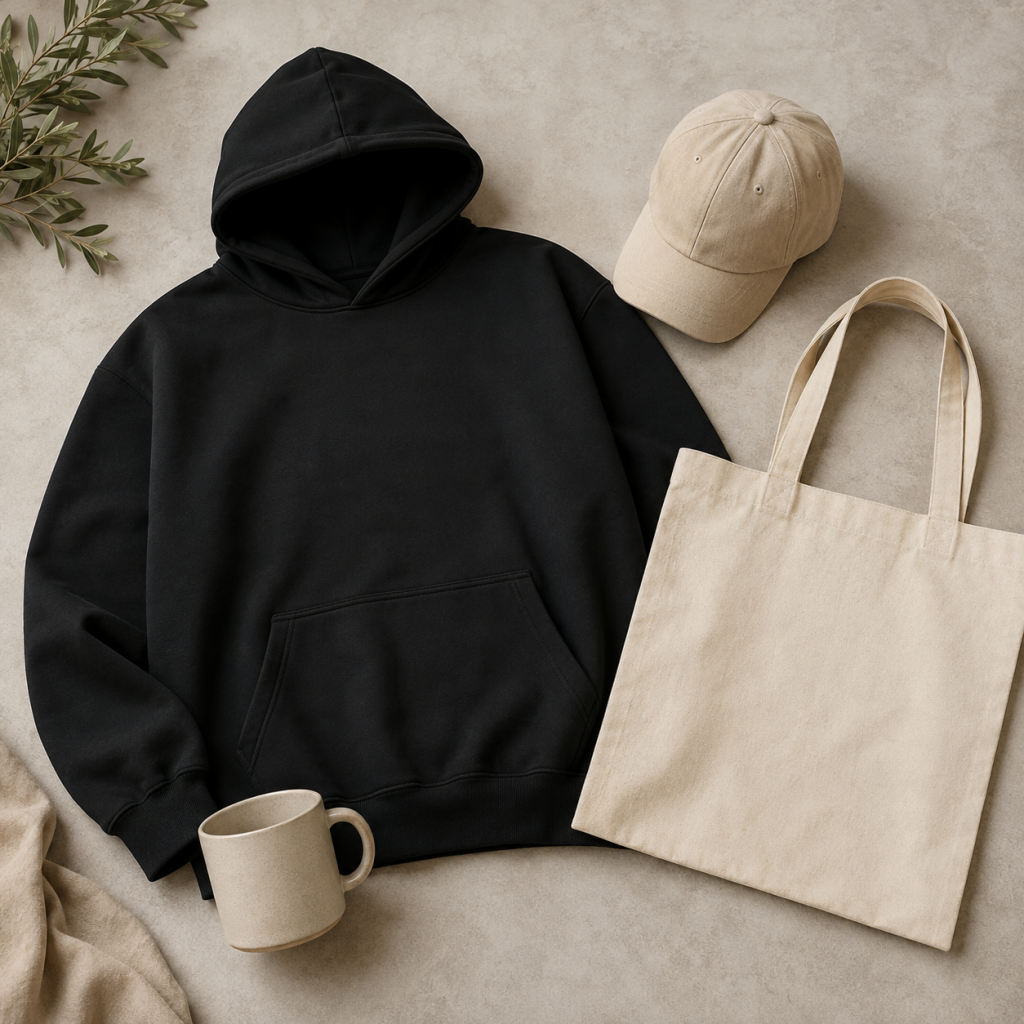
  • Hoodies
  • Sweatshirts
  • Caps
  • Tote bags
  • Mugs
  • Phone cases
  • Posters
  • Stickers
  • Limited collectibles

The audience purchases the product because of its connection to the creator.

The garment itself still matters, but the emotional value comes mainly from:

  • Supporting the creator
  • Belonging to the community
  • Recognizing a reference
  • Remembering a particular era or event
  • Showing fandom publicly

Merchandise acts as a physical extension of the content.

Shopify’s 2026 creator-merch guidance describes merchandise as a bridge between creators and their audiences and recommends using references, ideas and details that fans already associate with the creator’s world.


What Is a Creator Brand?

A creator brand is a commercial brand founded, owned or fronted by a content creator.

The creator’s audience provides initial visibility, trust and distribution, but the product is developed to appeal beyond existing followers.

A creator brand may sell:

  • Clothing
  • Activewear
  • Underwear
  • Beauty products
  • Food and beverages
  • Accessories
  • Homeware
  • Digital products
  • Wellness products
  • Educational tools

The strongest creator brands are not simply merchandise stores with more sophisticated packaging.

They have:

  • Independent brand positioning
  • Defined target customers
  • Original product strategy
  • Recognizable visual identity
  • Competitive product quality
  • Professional customer service
  • Repeat purchasing
  • Distribution beyond the creator’s profile

A customer should be able to discover the brand through the product, not only through the person behind it.


The Simplest Way to Understand the Difference

Imagine a creator known for running and fitness.

Influencer merch

The creator releases:

  • A hoodie featuring the channel logo
  • A T-shirt using a popular quote
  • A cap connected to a running challenge

The main customer is already part of the creator’s audience.

Creator brand

The creator develops:

  • Technical running shorts
  • Performance tops
  • Recovery sweatshirts
  • Socks
  • Seasonal running collections

The products have their own identity, technical requirements and competitive positioning.

A customer may purchase them because they perform well—even if that customer does not regularly watch the creator’s content.


Audience-Led Product vs Product-Led Brand

This is the central strategic difference.

Influencer merch is audience-led

The sequence is:

  1. Build an audience.
  2. Identify recognizable references.
  3. Put those references on products.
  4. Sell them to the community.

The product follows the audience.

A creator brand becomes product-led

The sequence is:

  1. Identify a real customer need.
  2. Develop a competitive product.
  3. Build the brand around that product.
  4. Use the creator’s audience to accelerate discovery.

The audience opens the door.

The product must keep the business alive.


Advantages of Influencer Merch

1. Faster to Launch

Merch can often be launched using existing blank products.

The creator selects:

  • T-shirt
  • Hoodie
  • Colour
  • Graphic
  • Print position
  • Packaging

There is no need to develop a completely original pattern or source a unique fabric.

This reduces the time between the initial concept and the sale.


2. Lower Initial Risk

Print-on-demand services can produce one item only after a customer places an order.

Presales and limited drops can also validate demand before bulk production.

Shopify’s current merch guidance highlights presales and short sales windows as methods creators can use to reduce inventory risk before committing to production.


3. Immediate Customer Relevance

Creators already know:

  • Which phrases followers repeat
  • Which content performs well
  • Which references create emotional reactions
  • Which visual symbols define the community
  • Which products followers request

This removes some of the uncertainty involved in developing an entirely new brand.


4. Strong Emotional Value

A simple product may have significant value to a fan when it represents:

  • A shared joke
  • A personal transformation
  • A community milestone
  • A live event
  • A podcast episode
  • A creator’s personal journey

That emotional relationship can make a straightforward graphic garment commercially successful.


5. Direct Marketing Access

The creator can promote the product through:

  • Videos
  • Stories
  • Livestreams
  • Podcasts
  • Newsletters
  • Community groups
  • Events

Current social-commerce systems also make the distance between content and purchase shorter. Eligible YouTube creators can connect their stores, tag products in videos, Shorts and livestreams, and review product performance through YouTube Analytics.

TikTok continues to position short-form video, livestreaming and creator content as integrated product-discovery and commerce channels.


Disadvantages of Influencer Merch

1. Demand Depends Heavily on the Creator

Merchandise sales may fall when:

  • Upload frequency decreases
  • Audience engagement changes
  • The creator changes direction
  • A specific joke becomes outdated
  • The platform loses relevance
  • The creator’s public reputation changes

The product may have little independent demand.


2. Products Can Feel Generic

Many merch collections use the same:

  • Blank T-shirt
  • Standard hoodie
  • Basic chest logo
  • Large back print
  • Black-and-white colour palette

When the underlying product is weak, the collection can feel like promotional merchandise rather than desirable clothing.


3. Limited Repeat Purchasing

A follower may buy one hoodie to support the creator.

That does not mean they need another one every season.

A clothing brand must offer reasons to return, such as:

  • Better fit
  • New products
  • Useful functionality
  • Strong design
  • Seasonal relevance
  • Quality improvement

4. Lower Control with Print on Demand

Print-on-demand can limit control over:

  • Garment fit
  • Fabric weight
  • Print consistency
  • Packaging
  • Delivery times
  • Returns
  • Branding
  • Product photography
  • Customer experience

It is a valuable testing method but may not support premium positioning.


5. Weak Brand Separation

When every product carries the creator’s name, the business may struggle to develop an identity outside the creator’s personality.

The audience sees a person selling products rather than a brand creating products.


Advantages of Building a Creator Brand

1. Greater Long-Term Business Value

A creator brand can become an independent commercial asset.

It may eventually support:

  • Wholesale
  • Retail partnerships
  • International distribution
  • Collaborations
  • Licensing
  • Investment
  • Acquisition
  • A management team separate from the creator

The company becomes more than a temporary revenue stream connected to content.


2. Wider Customer Potential

Influencer merch normally targets existing followers.

A creator brand can sell to:

  • Followers
  • Search customers
  • Retail customers
  • Customers reached through advertising
  • Customers who discover the product through another creator
  • People who do not know the founder

This creates a much larger potential market.


3. Stronger Product Differentiation

A creator brand can develop:

  • Exclusive fits
  • Custom fabrics
  • Signature colours
  • Original construction
  • Recognizable packaging
  • Distinctive labels
  • Product-specific performance

The product can compete on more than a logo.


4. Greater Pricing Power

A well-developed brand may support a higher price because the customer is purchasing:

  • Product quality
  • Design
  • Function
  • Fit
  • Materials
  • Brand identity
  • Customer experience

This is more sustainable than relying only on emotional support from fans.


5. Repeat-Purchase Potential

A creator brand can build ongoing customer relationships through:

  • Core products
  • Seasonal collections
  • Replenishment
  • New categories
  • Improved versions
  • Matching products
  • Loyalty programmes
  • Community access

Customers return because the product solves a need.


6. Stronger Creator Partnerships

Once the company becomes a real brand, it can work with creators other than its founder.

This allows the business to reach new communities without depending exclusively on one account.

TikTok Shop continues to emphasize creator partnerships as a central way for brands to combine discovery, trust and conversion through shoppable content.


Disadvantages of Building a Creator Brand

1. Higher Investment

A creator brand may require:

  • Brand strategy
  • Naming
  • Trademark protection
  • Product development
  • Samples
  • Bulk production
  • Packaging
  • Photography
  • Website
  • Warehousing
  • Fulfilment
  • Customer service
  • Marketing
  • Returns management

The founder is building a company, not only preparing a drop.


2. Greater Inventory Risk

Developed products usually require minimum quantities.

The brand must predict:

  • Style demand
  • Colour demand
  • Size demand
  • Launch timing
  • Reorder quantities

A creator can have millions of followers and still overestimate how many people will buy a particular product.

Audience size is not the same as purchase intent.


3. Slower Product Development

A proper fashion or lifestyle product may require:

  • Tech packs
  • Material sourcing
  • Pattern development
  • Samples
  • Fit revisions
  • Testing
  • Production approval
  • Quality control

This process can take several months.

Creators accustomed to publishing content immediately may find physical-product timelines frustrating.


4. Operational Complexity

The business must manage:

  • Suppliers
  • Production deposits
  • Delivery schedules
  • Warehouses
  • Refunds
  • Exchanges
  • Customer complaints
  • Taxes
  • Product compliance
  • Damaged stock
  • Slow-moving sizes

On platforms such as YouTube Shopping, the creator’s connected store or merchandise partner—not YouTube—is responsible for inventory, fulfilment, refunds and customer service.

The creator remains accountable for the customer experience.


5. The Creator Can Overshadow the Brand

The creator’s personal identity may generate the first sales but prevent the brand from developing its own authority.

Every campaign can become:

Buy this because I made it.

Instead of:

Buy this because it is the right product for you.

The founder should remain an advantage without becoming the only reason the business exists.


Merchandise, Creator Brand or Hybrid Model?

There are three practical strategies.


Strategy 1: Pure Merchandise

The creator sells products directly connected to their identity and content.

Best for

  • YouTubers
  • Podcasters
  • Streamers
  • Musicians
  • Comedians
  • Events
  • Tours
  • Online communities
  • Limited campaigns

Typical collection

  • Graphic T-shirt
  • Hoodie
  • Cap
  • Tote bag
  • Poster

Main objective

Monetize audience connection and strengthen community.


Strategy 2: Independent Creator Brand

The creator launches a brand with a separate name, visual identity and product strategy.

Best for

  • Creators with a clear niche
  • Founders with long-term commercial ambition
  • Products solving a specific problem
  • Creators willing to invest in development
  • Businesses intended to reach non-followers

Typical collection

  • Developed clothing
  • Beauty products
  • Food products
  • Performance products
  • Lifestyle essentials
  • Homeware

Main objective

Build a consumer company with independent value.


Strategy 3: Creator-Led Sub-Brand

The middle path is often the strongest.

The creator launches a named collection or sub-brand connected to their world but capable of growing beyond direct merch.

Shopify’s 2026 guide uses Seek Discomfort as an example of a project that began as merchandise and developed into a recognizable sub-brand with its own product identity.

Best for

  • Creators unsure whether to build a separate company
  • Strong communities with product potential
  • Creators testing more developed products
  • Brands that still benefit from founder association

Main objective

Use fandom as the foundation while gradually developing independent brand equity.


How to Know Which Strategy Is Right for You

Ask the following questions.

1. Why will the customer buy?

Merch answer

Because they support me or recognize the reference.

Brand answer

Because the product fits, performs or looks better than the alternatives.

Both answers can exist, but one should be dominant.


2. Would someone buy it without knowing you?

If the answer is no, the product is probably merchandise.

That is not a problem when merchandise is the objective.

It becomes a problem when the founder expects the business to operate like an independent fashion brand.


3. Do you want a campaign or a company?

A merchandise drop can be:

  • Seasonal
  • Limited
  • Event-based
  • Occasional

A brand requires:

  • Ongoing product planning
  • Customer retention
  • Reorders
  • Operations
  • Development
  • Financial management

4. How much capital can you risk?

Merch can begin with print on demand, presales or low quantities.

A developed brand normally requires a larger commitment before demand is fully known.


5. Are you interested in product development?

A creator brand founder must care about:

  • Fabrics
  • Fit
  • Construction
  • Packaging
  • Customer feedback
  • Quality problems
  • Margins
  • Supply chains

Loving fashion content is not the same as enjoying fashion production.


6. Can the identity grow beyond your personal name?

A separate brand should have:

  • Its own visual world
  • Its own tone of voice
  • Its own customer
  • Its own social channels
  • Its own reason to exist

Product Strategy for Influencer Merch

A successful first merch collection should be simple.

Recommended structure

  • One T-shirt
  • One hoodie or sweatshirt
  • One accessory
  • One clear graphic direction
  • Two or three commercial colours

Avoid launching:

  • Seven graphics
  • Six T-shirt fits
  • Ten colours
  • Several unrelated product categories

Every additional variation creates:

  • More inventory
  • More samples
  • More photography
  • More product pages
  • More customer decisions
  • More opportunities for mistakes

Use the Community’s Existing Language

Strong merch can reference:

  • Catchphrases
  • Memorable episodes
  • Community names
  • Recurring characters
  • Visual symbols
  • Milestones
  • Events

The reference should feel rewarding to followers without producing a garment that looks careless or disposable.


Make the Product Wearable Outside the Community

The strongest merch often works on two levels:

  1. Followers understand the deeper reference.
  2. Everyone else sees a good-looking product.

Shopify currently recommends creating merchandise people would want to use or wear even when they are unfamiliar with the original creator or content.

This increases product life beyond one content moment.


Product Strategy for a Creator Brand

A creator brand should begin with a product-market connection.

The founder needs to understand:

  • Who is the customer?
  • What problem exists?
  • Why is the creator qualified to solve it?
  • Which product should launch first?
  • What makes it different?
  • Why will customers reorder?

Strong creator-brand connections

Fitness creator

  • Activewear
  • Gym accessories
  • Recovery clothing
  • Performance nutrition

Beauty creator

  • Skincare
  • Makeup
  • Tools
  • Travel products

Fashion creator

  • Wardrobe essentials
  • Accessories
  • Underwear
  • Footwear
  • Occasion products

Travel creator

  • Bags
  • Packing products
  • Technical clothing
  • Travel accessories

Home creator

  • Textiles
  • Storage
  • Kitchenware
  • Decorative objects

The brand feels more credible when the product is connected to expertise the creator has already demonstrated.


Brand Name: Personal Name or Separate Identity?

Use the creator’s name when:

  • The creator is the product
  • The audience expects direct personal involvement
  • The business depends on expertise or personality
  • The product has a coaching, education or entertainment connection

Use a separate brand name when:

  • The company should grow beyond the founder
  • Other creators may promote it
  • Retail distribution is a goal
  • Customers should identify with the brand rather than the person
  • Future acquisition or investment is possible

Use an endorsed brand when:

The company has an independent name but communicates:

Founded by [Creator]

This provides early trust while allowing the brand to develop its own identity.


Print on Demand vs Private Label

This decision often determines whether the project feels like merch or a brand.


Print on Demand

A supplier prints the product after a customer orders.

Advantages

  • No inventory
  • Fast launch
  • Low initial cost
  • Easy testing
  • Broad product selection

Limitations

  • Lower margins
  • Generic garments
  • Limited branding
  • Inconsistent fulfilment
  • Less packaging control
  • Limited product exclusivity

Best for

  • First merch test
  • Short campaigns
  • Small audiences
  • Artwork validation
  • International fulfilment without stock

Private Label

Existing garments are customized in bulk using:

  • Custom labels
  • Printing
  • Embroidery
  • Selected colours
  • Hang tags
  • Packaging

Advantages

  • Stronger product quality
  • Better branding
  • More consistent collections
  • Greater control
  • Higher perceived value
  • Stronger margin potential

Limitations

  • Minimum quantities
  • Upfront investment
  • Inventory risk
  • Longer lead time
  • Fulfilment required

Best for

  • Serious merch collections
  • Creator sub-brands
  • Clothing brands
  • Premium positioning
  • Repeat launches

How Much Should a Creator Invest?

The correct amount depends on the strategy.

Print-on-demand merch test

Approximately €500–€2,000

Possible costs:

  • Samples
  • Artwork
  • Store
  • Photography
  • Basic marketing

Low-MOQ private label merch drop

Approximately €3,000–€8,000

Possible collection:

  • 100 T-shirts
  • Custom print
  • Labels
  • Packaging
  • Product photography
  • Launch content

Creator clothing capsule

Approximately €10,000–€25,000

Possible collection:

  • T-shirt
  • Hoodie
  • Sweatpants
  • Custom labels
  • Professional campaign
  • Inventory
  • Fulfilment setup
  • Launch marketing

Fully custom creator brand

Approximately €25,000–€75,000+

Possible costs:

  • Brand development
  • Tech packs
  • Patterns
  • Fabrics
  • Samples
  • Bulk production
  • Packaging
  • Website
  • Campaign
  • Logistics
  • Customer acquisition

These are planning ranges rather than quotations.


Presale, Limited Drop or Permanent Collection?

Presale

Customers order before bulk production.

Best for

  • Validating demand
  • Reducing inventory risk
  • Testing colours and sizes
  • Funding production

Main risk

Customers must accept a longer and clearly communicated delivery time.


Limited Drop

Products are available for a fixed period or until sold out.

Best for

  • Merch
  • Events
  • Seasonal launches
  • Scarcity
  • Community participation

Main risk

False scarcity becomes frustrating when every product is presented as artificially limited.


Permanent Collection

Core products remain available and are reordered.

Best for

  • Creator brands
  • Essentials
  • Repeat purchases
  • Search traffic
  • Wholesale
  • Long-term customer acquisition

Main risk

The brand must maintain stock and manage forecasting.


Strong Hybrid Strategy

Use:

  • Permanent core products
  • Limited graphics
  • Seasonal colours
  • Creator-event capsules

This creates ongoing revenue without losing the excitement associated with drops.


How Creators Should Validate Product Demand

Do not ask only:

Would you buy this?

Followers often answer positively because they want to support the creator.

Test real purchase intent.

Better validation methods

  • Email waitlist
  • Refundable deposit
  • Presale
  • Limited reservation
  • Two-design comparison
  • Size survey
  • Price sensitivity test
  • Product landing page
  • Small paid campaign
  • Sample worn repeatedly in content

Measure:

  • Clicks
  • Email registrations
  • Deposits
  • Conversion
  • Preferred colour
  • Preferred size
  • Acceptable price

Likes are not orders.

Comments are not orders.

Follower count is not inventory planning.


Launch Content Strategy

Creators have an important advantage:

They can make the development process part of the content.

Use:

  • Fabric selection
  • Sample fitting
  • Graphic development
  • Colour voting
  • Factory visits
  • Packaging tests
  • Wash tests
  • Behind-the-scenes production
  • Failed samples
  • Founder explanations
  • Styling videos

This approach builds demand before stock arrives.

It also makes the product feel like the result of a shared process rather than an unexpected advertisement.


Do Not Turn Every Post into an Advertisement

Creators can damage trust when the product suddenly dominates all content.

Use a balanced structure:

  • Educational or entertainment content
  • Natural product integration
  • Development stories
  • Styling or use cases
  • Launch announcements
  • Customer content

The product should belong naturally within the creator’s existing world.


Social Commerce Strategy

Creators can now connect product discovery more directly with content.

YouTube

Eligible creators can:

  • Connect a store
  • Display products in a channel shop
  • Tag products in long videos
  • Tag products in Shorts
  • Tag products in livestreams
  • Review shopping performance in YouTube Analytics

TikTok

Creators and brands can combine:

  • Short-form product content
  • Affiliate content
  • Livestream selling
  • Creator partnerships
  • In-platform product discovery

TikTok’s 2025 and 2026 platform communications continue to report strong growth in creator-led livestreaming, short-form commerce content and affiliate sales within supported markets.

Email

Social platforms create discovery.

Email creates direct access.

Collect customer emails before the launch so the business does not depend entirely on algorithms.


The Creator’s Role After Launch

A founder does not need to perform every operational task.

But they should remain responsible for:

  • Product vision
  • Community communication
  • Brand authenticity
  • Key creative decisions
  • Public accountability
  • Customer trust

The creator should not disappear immediately after asking followers to purchase.

Customers notice when:

  • Questions are ignored
  • Delivery is delayed
  • Quality complaints receive no response
  • The product is never worn again
  • The creator moves on to the next sponsorship

Long-term trust requires continued involvement.


Team Requirements

A successful creator brand may require:

  • Product developer
  • Manufacturer
  • Graphic designer
  • Brand designer
  • E-commerce manager
  • Content producer
  • Customer-service support
  • Fulfilment partner
  • Accountant
  • Legal adviser
  • Performance marketer

The creator provides distribution and identity.

The team provides repeatable operations.


Common Creator-Merch Mistakes

1. Overestimating the Audience

A large number of followers does not guarantee a large number of customers.

2. Using the Cheapest Blank

Poor fabric and fit can damage the creator’s personal reputation.

3. Producing Too Many Variations

Every style, colour and size increases inventory risk.

4. Using Only the Creator’s Logo

The garment should still look considered and wearable.

5. Ignoring Size Inclusivity

Audience demographics should inform the size range and size distribution.

6. Launching Without Samples

Never approve bulk production from a digital mock-up alone.

7. Hiding Long Delivery Times

Presales work only when customers understand the timeline.

8. Failing to Wear the Product

Customers notice when the creator promotes a garment once and never uses it again.

9. Treating Fans as Guaranteed Buyers

Followers have different budgets, locations and purchasing motivations.

10. Ignoring Customer Service

The creator’s name is attached to every delayed parcel, refund and defective product.


Common Creator-Brand Mistakes

1. Building a Brand Without a Product Need

Aesthetic alone may generate a launch but not repeat purchasing.

2. Assuming Personal Taste Equals Market Demand

The founder’s preferred fit, colour or price may not match the audience.

3. Launching Too Many Categories

Begin with one clear product area.

4. Spending Too Much on Branding Before Product

Customers cannot wear a brand strategy presentation.

5. Depending Exclusively on Founder Content

The company needs acquisition channels beyond one social account.

6. Creating a Name That Cannot Separate from the Creator

The brand should be capable of developing its own cultural relevance.

7. Hiring a Team Without Clear Responsibilities

Creators often move quickly. Production and logistics require structured decisions.

8. Ignoring Margins

High sales with weak margins can create more operational pressure without creating a healthy company.


A Practical Launch Strategy

Phase 1: Validate the Community

Launch:

  • One T-shirt
  • One hoodie
  • One clear visual theme
  • Limited quantities or presale

Measure:

  • Conversion
  • Sizes
  • Colours
  • Customer feedback
  • Returns
  • Content performance

Phase 2: Improve the Product

Upgrade:

  • Fabric
  • Fit
  • Labels
  • Packaging
  • Print technique
  • Photography
  • Size range

Move from print on demand to controlled private label production when demand supports it.


Phase 3: Create a Sub-Brand

Develop:

  • Independent name
  • Brand identity
  • Product photography
  • Separate store
  • Dedicated social channels
  • Core customer profile

The creator remains visibly involved.


Phase 4: Build Independent Demand

Use:

  • Other creators
  • Customer content
  • Search
  • Paid advertising
  • Email
  • Collaborations
  • Pop-ups
  • Retail partnerships

Track how many customers purchase without directly coming from the founder’s account.


Phase 5: Develop Signature Products

Once demand is proven, invest in:

  • Custom patterns
  • Exclusive fabrics
  • Technical products
  • Unique trims
  • Seasonal development
  • Original fits

The brand becomes harder to copy and less dependent on standard blanks.


Frequently Asked Questions

What is the difference between a creator brand and influencer merch?

Influencer merch is designed mainly for an existing fan community and is closely connected to the creator’s name, content or references.

A creator brand develops products and an identity that can attract customers beyond the creator’s current audience.

Is merch profitable?

It can be.

Profitability depends on:

  • Product cost
  • Decoration
  • Quantity
  • Retail price
  • Shipping
  • Platform fees
  • Returns
  • Marketing
  • Fulfilment

Print on demand reduces risk but generally produces lower margins.

How many followers do you need to launch merch?

There is no minimum number.

A small, highly engaged community can outperform a much larger passive audience.

Purchase intent matters more than follower count.

Should influencers use print on demand?

Print on demand is useful for:

  • Testing
  • Low-risk launches
  • Small audiences
  • Temporary campaigns

Private label production is normally more appropriate when quality, branding and margins become priorities.

Should a creator use their own name for a clothing brand?

Use the personal name when the creator’s personality and expertise are central to the product.

Use a separate brand name when the company should grow beyond the founder.

How many products should the first drop include?

One to three products are normally enough.

A focused T-shirt and hoodie collection is easier to develop, explain and sell than a large first collection.

Should creators use presales?

Presales can reduce inventory risk and provide useful size data.

The creator must communicate the delivery date honestly and keep customers informed during production.

Can creator merch become a real brand?

Yes.

Merch can evolve into a sub-brand or independent company when the product, identity and customer base become stronger than the original creator reference.

What is the best clothing product for creator merch?

T-shirts and hoodies remain practical because they:

  • Are widely understood
  • Provide space for graphics
  • Support broad sizing
  • Are easier to develop than complex fashion products

The quality of the blank, fit and decoration still matters.

How can a creator avoid unsold inventory?

Use:

  • Small first orders
  • Presales
  • Waitlists
  • Deposits
  • Limited colours
  • Audience surveys
  • Realistic conversion assumptions
  • Reorders based on sales

Final Verdict: Creator Brand or Influencer Merch?

Choose influencer merch when you want:

  • A fast launch
  • Low financial risk
  • Community products
  • Event or content-based drops
  • Direct creator branding
  • A temporary or occasional revenue stream

Choose a creator brand when you want:

  • A long-term company
  • Independent brand value
  • Better product differentiation
  • Customers beyond your followers
  • Repeat purchases
  • Retail or wholesale potential
  • A wider product portfolio

Choose a creator-led sub-brand when you want:

  • The trust of your existing audience
  • A separate brand identity
  • Gradual product development
  • A path from merchandise to a real consumer business

Merchandise monetizes attention.

A creator brand converts attention into an asset.

The strongest strategy is often to begin with a focused, low-risk product, validate real demand and improve the product before investing in a complete independent brand.

Private Label Clothes helps creators develop customizable T-shirts, hoodies, sweatpants and shorts in Portugal from accessible production quantities.

Start with one strong product.

Use your community to test it.

Then build the brand around what customers genuinely choose to buy.

Turn your audience into a community—and your community into a lasting brand.

Sustainable Fabrics for Clothing Brands: A Practical Sourcing Guide

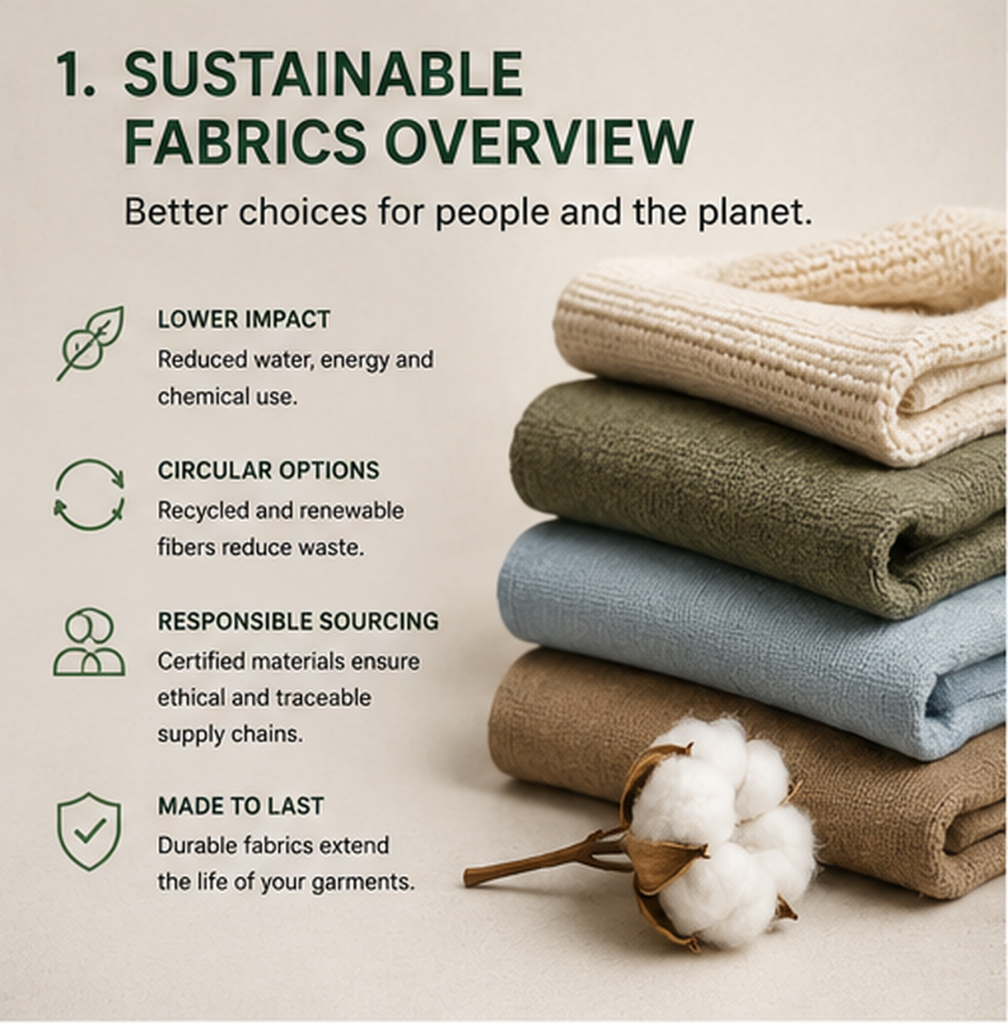
There is no perfect sustainable fabric.

Organic cotton still requires land, water, processing and transport.

Recycled polyester reduces demand for virgin synthetic material but remains plastic and can release microfibres.

Linen may offer strong environmental advantages, but the final result still depends on where the fibre was grown, how it was processed, dyed and finished.

Lyocell begins with renewable cellulose, but forest sourcing and manufacturing technology matter.

The correct question is not:

“What is the most sustainable fabric?”

It is:

“Which material provides the required performance with the most credible sourcing, processing, durability and end-of-life strategy for this specific product?”

Textile Exchange recommends comparing materials within their own categories and considering multiple impact areas, including climate, nature, people, animals and governance, rather than relying on one environmental score or marketing claim.

This guide compares the main lower-impact and responsibly sourced fabric options available to clothing brands in 2026.


Sustainable Clothing Fabrics at a Glance

MaterialBest suited forMain advantageMain consideration
Organic cottonT-shirts, hoodies, underwear and jerseyFamiliar feel with certified organic sourcingStill requires agricultural land and processing
Recycled cottonSweatshirts, denim, jersey and blendsUses existing textile or production wasteFibre quality may limit the percentage used
European flax linenShirts, trousers, dresses and summer clothingDurable natural fibre with European traceability optionsWrinkles and has a distinctive dry texture
HempWorkwear, shirts, trousers and blendsStrong natural fibre with growing European productionSupply and softness vary significantly
LyocellDresses, shirts, underwear and soft jerseySmooth regenerated cellulose with efficient processes availableResponsible forest sourcing must be verified
Recycled polyesterSportswear, outerwear and technical productsReduces demand for virgin polyester feedstockRemains synthetic and can release microplastics
Responsible woolKnitwear, coats, tailoring and winter clothingDurable, insulating natural animal fibreAnimal welfare and farm practices require verification
Recycled woolCoats, knitwear and accessoriesReuses existing wool wasteColour, fibre length and consistency can be restricted
Deadstock fabricLimited capsules and small collectionsMakes use of existing unused materialDifficult to reorder or verify original specifications

No material is automatically responsible simply because it appears in this table.

The supplier, certification, processing, product design and intended lifespan remain essential.


What Makes a Fabric More Sustainable?

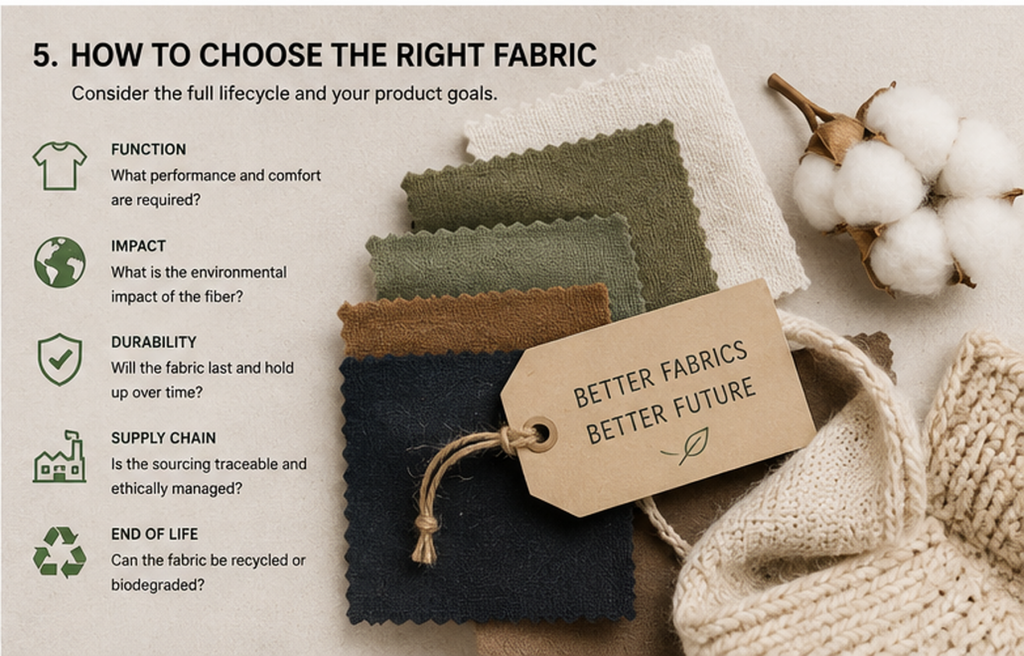
A fabric should be evaluated across its complete life cycle.

Important questions include:

Raw material

  • Is the fibre renewable or recycled?
  • Where was it grown or collected?
  • Is the source traceable?
  • Does production affect forests, soil or biodiversity?
  • Are animal fibres produced under verified welfare standards?

Processing

  • Which chemicals are used?
  • Is wastewater treated?
  • How much energy is required?
  • Is the fabric bleached, dyed, washed or coated?
  • Are hazardous substances restricted?

Product performance

  • Will the garment last?
  • Does it retain its shape?
  • Is the colour fast?
  • Will customers wear it frequently?
  • Can it be repaired?

End of life

  • Is the material recyclable?
  • Is it blended with other fibres?
  • Does it contain elastane, coatings or complex trims?
  • Can the garment be disassembled?
  • Will it release synthetic microfibres?

Verification

  • Is the claim independently certified?
  • Is the manufacturer included within the certification scope?
  • Is the exact material covered?
  • Can the supplier provide transaction documentation?
  • Is the certification current?

A product made from a supposedly sustainable fibre can still be poorly designed, overproduced, chemically intensive or discarded after only a few uses.

Material selection is one part of a responsible product strategy.


1. Organic Cotton

Best All-Round Option for T-Shirts and Sweatshirts

Organic cotton is one of the most practical materials for brands producing:

  • T-shirts
  • Hoodies
  • Sweatshirts
  • Sweatpants
  • Underwear
  • Pyjamas
  • Baby clothing
  • Jersey basics

It provides the familiar softness, breathability and printability customers expect from cotton while allowing the agricultural origin to be independently verified.

The current Global Organic Textile Standard Version 8.0, released in 2026, covers organic fibre content together with processing, chemical, environmental and social requirements throughout certified textile production. Products using the GOTS label must include the relevant label grade, approved certification body and certification number.


Advantages of Organic Cotton

Familiar customer experience

Customers already understand cotton.

Organic cotton can be used without changing the basic feel, care or visual identity of products traditionally made from conventional cotton.

Strong decoration potential

Depending on yarn and fabric construction, organic cotton can work well with:

  • Screen printing
  • DTG printing
  • DTF printing
  • Embroidery
  • Garment dyeing
  • Washing
  • Enzyme finishing

Suitable for complete collections

The same fibre can be used across:

  • Lightweight jersey
  • Heavyweight jersey
  • French terry
  • Brushed fleece
  • Rib
  • Piqué
  • Poplin
  • Twill

This makes it easier to create a coordinated product range.

Established certification systems

Brands can source materials certified under systems such as:

  • GOTS
  • Organic Content Standard

The Organic Content Standard verifies the presence and chain of custody of certified organic material. Unlike GOTS, it does not impose the same additional textile-processing requirements; GOTS also requires a minimum organic content threshold and restricts which other fibres may be blended with it.


Limitations of Organic Cotton

Organic does not mean impact-free.

The fibre still requires:

  • Agricultural land
  • Water
  • Harvesting
  • Ginning
  • Spinning
  • Knitting or weaving
  • Dyeing
  • Finishing
  • Transport

The quality also varies.

An organic cotton garment can still:

  • Shrink excessively
  • Lose its shape
  • Use unstable dye
  • Have weak stitching
  • Be produced in excessive quantities
  • Be designed for a very short trend cycle

Certification verifies specific requirements.

It does not automatically guarantee that the garment is durable, well designed or commercially suitable.


Best certification choices

Choose GOTS when you want broader requirements covering organic fibre, textile processing, chemicals and certified supply-chain stages.

Choose OCS when your main objective is verifying the presence and traceability of organic material and GOTS production is not available.

Do not write “GOTS cotton” merely because the farm or yarn supplier has a certificate.

The parties handling and selling a labelled GOTS product need to meet the applicable certification and chain-of-custody requirements.


2. Recycled Cotton

Best for Reducing Reliance on Virgin Fibre

Recycled cotton may come from:

  • Cutting-room waste
  • Yarn waste
  • Unused fabric
  • Defective garments
  • Post-consumer clothing

The waste is sorted and processed back into fibre that can be spun into new yarn.

Recycled cotton can be useful for:

  • Sweatshirts
  • T-shirts
  • Denim
  • Overshirts
  • Workwear
  • Tote bags
  • Accessories
  • Cotton-rich blends

Advantages of Recycled Cotton

Makes use of existing material

Recycled cotton can redirect production scraps or discarded textiles into a new product instead of relying entirely on virgin fibre.

Creates distinctive textures

The recycled fibre may contribute to:

  • Mélange effects
  • Vintage surfaces
  • Irregular colour
  • Dry hand feel
  • Workwear character

These qualities can support a streetwear or casual aesthetic.

Suitable for fibre blends

Recycled cotton can be blended with:

  • Organic cotton
  • Conventional cotton
  • Recycled polyester
  • Responsible wool
  • Other fibres

Blending may help achieve the necessary strength, consistency and performance.


Limitations of Recycled Cotton

Mechanical recycling can shorten fibres.

Depending on the input material and intended product, very high recycled-cotton percentages may affect:

  • Yarn strength
  • Fabric stability
  • Surface consistency
  • Pilling
  • Product durability

Brands should evaluate the actual fabric rather than selecting the highest recycled percentage only because it sounds more sustainable.

Recycled material may also be difficult to sort when the original waste contains:

  • Several fibre types
  • Elastane
  • Prints
  • Coatings
  • Trims
  • Unknown chemical finishes

Certifications to request

The Recycled Claim Standard and Global Recycled Standard provide third-party certification and chain-of-custody requirements for recycled content.

GRS includes additional environmental, social and chemical-processing requirements and uses a higher minimum recycled-content threshold than RCS.

In July 2026, Textile Exchange released GRS Version 5.0 and RCS Version 3.0. Brands sourcing certified materials should confirm which version their supplier currently uses and whether transition rules apply.


3. European Flax Linen

Best for Premium Summer and Lifestyle Collections

Linen is made from flax.

It is commonly used for:

  • Shirts
  • Dresses
  • Trousers
  • Shorts
  • Blazers
  • Overshirts
  • Loungewear
  • Home textiles

Linen has a recognizable dry texture, natural irregularity and strong association with European summer clothing.

The European flax sector now provides dedicated traceability systems and environmental data designed to help brands assess flax-linen products through recognised life-cycle and Product Environmental Footprint methodologies.


Advantages of Linen

Strong natural character

Linen provides:

  • Visible texture
  • Natural slubs
  • Crisp drape
  • Breathable summer positioning
  • A premium European appearance

Durable fibre

Well-constructed linen garments can perform strongly over time and often develop a softer hand with continued use and washing.

European sourcing possibilities

Brands can source European-grown flax and use origin and traceability systems such as:

  • Masters of FLAX FIBRE
  • Masters of LINEN

These systems can help verify where the fibre originates and how it moves through the supply chain.

Works well in blends

Linen can be blended with:

  • Cotton
  • Organic cotton
  • Lyocell
  • Wool
  • Viscose
  • Hemp

Blends can reduce stiffness, control wrinkling and change the drape.


Limitations of Linen

Linen naturally wrinkles.

That is part of its identity, but it may not suit customers expecting a permanently smooth product.

The fabric can also feel:

  • Dry
  • Crisp
  • Irregular
  • Less stretchy than jersey

Different stages may occur in different countries:

  • Flax cultivation
  • Fibre preparation
  • Spinning
  • Weaving
  • Dyeing
  • Garment production

“European flax” does not automatically mean that the complete garment was manufactured in Europe.

Ask for the processing locations separately.


4. Hemp

Best for Durable Natural-Fibre Products

Hemp fibre can be used in:

  • Shirts
  • T-shirts
  • Trousers
  • Jackets
  • Workwear
  • Canvas products
  • Bags
  • Cotton-hemp blends

The European Commission describes textile hemp fibre as similar to linen and notes that the crop can often be grown with little or no use of insecticides, herbicides and fungicides because it is vulnerable to relatively few pests.


Advantages of Hemp

Strong fibre character

Hemp can create fabrics that feel:

  • Substantial
  • Natural
  • Dry
  • Durable
  • Workwear-inspired

Growing European availability

The area used for hemp-fibre cultivation has increased across the EU, creating more opportunities for European sourcing and development.

Useful in blends

Hemp is frequently combined with cotton or lyocell to improve:

  • Softness
  • Draping
  • Spinning consistency
  • Comfort
  • Garment appearance

Distinctive brand story

European hemp can support brands positioned around:

  • Natural materials
  • Workwear
  • Craft
  • Regional sourcing
  • Durable clothing
  • Agricultural innovation

Limitations of Hemp

Not all hemp fabrics are soft.

The result depends heavily on:

  • Fibre processing
  • Yarn
  • Blending
  • Enzyme treatment
  • Washing
  • Fabric construction

A poorly developed hemp T-shirt may feel rough or unstable.

Supply can also be more limited than cotton, creating challenges with:

  • Colour availability
  • Low minimums
  • Repeat orders
  • Fabric consistency
  • Specialist spinning

Always review a physical sample and complete wash testing.


5. Lyocell

Best for Soft Draped Clothing

Lyocell is a regenerated cellulose fibre.

It begins with cellulose pulp, usually sourced from wood, which is dissolved and converted into fibre.

Lyocell is commonly used for:

  • Dresses
  • Shirts
  • Underwear
  • Pyjamas
  • Soft trousers
  • Jersey tops
  • Denim blends
  • Loungewear

Advantages of Lyocell

Smooth hand feel

Lyocell can create:

  • Soft surfaces
  • Fluid drape
  • Comfortable next-to-skin products
  • Refined lightweight garments
  • Clean modern silhouettes

Versatile blending

It can be combined with:

  • Cotton
  • Organic cotton
  • Linen
  • Hemp
  • Wool
  • Elastane

A cotton-lyocell blend can feel softer and more fluid than a pure heavyweight cotton product.

Efficient production systems are available

Lenzing reports that its lyocell system recovers 99.8% of the NMMO solvent used to dissolve cellulose. This is a manufacturer-specific process claim and should not automatically be applied to every lyocell supplier.


Limitations of Lyocell

“Made from trees” is not sufficient evidence of responsible sourcing.

Forest-based fibres such as:

  • Lyocell
  • Viscose
  • Modal
  • Rayon

should come from traceable, responsibly managed forestry sources.

FSC warns that forest-based textiles are not automatically responsible and that uncertified sourcing can carry deforestation and illegal-logging risks.

The environmental profile also depends on the production technology.

Traditional viscose and modern lyocell do not use identical chemical processes. Lenzing’s published production information, for example, distinguishes direct-dissolution lyocell from the more chemically complex xanthation process used for viscose.


What brands should request

Ask for:

  • Fibre producer
  • Forest-certification information
  • Chain-of-custody documentation
  • Pulp origin
  • Manufacturing location
  • Exact fibre trademark or generic fibre name
  • Chemical-management information

Do not describe generic lyocell as TENCEL.

TENCEL is a specific Lenzing trademark, not the general name of every lyocell fibre.


6. Recycled Polyester

Best for Technical and Performance Products

Recycled polyester is commonly made from:

  • Plastic bottles
  • Industrial plastic waste
  • Textile production waste
  • Existing polyester textiles

It is used for:

  • Sportswear
  • Swimwear
  • Outerwear
  • Fleece
  • Linings
  • Technical trousers
  • Bags
  • Performance jersey

Advantages of Recycled Polyester

Reduces reliance on virgin feedstock

Using recycled polyester can reduce the need to produce the same amount of new polyester from virgin fossil resources.

Technical performance

Polyester can provide:

  • Quick drying
  • Strength
  • Dimensional stability
  • Lightweight construction
  • Stretch when engineered appropriately
  • Compatibility with waterproof and technical systems

Established certification

GRS and RCS can verify recycled content and chain of custody.

GRS also adds processing-related environmental, chemical and social requirements.


Limitations of Recycled Polyester

Recycled polyester remains a synthetic plastic fibre.

The European Environment Agency notes that synthetic textiles use non-renewable resources and can release microplastic fibres during manufacturing, use, washing and disposal.

Recycling plastic bottles into clothing also does not automatically create a closed textile loop.

Once the material becomes a garment, it may be difficult to recycle again, particularly when combined with:

  • Elastane
  • Cotton
  • Coatings
  • Membranes
  • Adhesives
  • Complex trims

Recycled polyester is therefore not automatically the best choice for every product.

It is most convincing when its technical properties are genuinely required.


Best practice

Use recycled polyester when the product needs:

  • Moisture management
  • Fast drying
  • High strength
  • Weather protection
  • Lightweight performance
  • Technical stretch

Avoid replacing natural fibre with polyester merely to add the word “recycled” to a product description.


7. Responsible Wool

Best for Knitwear and Long-Life Winter Products

Wool is commonly used for:

  • Knitwear
  • Coats
  • Tailoring
  • Scarves
  • Socks
  • Base layers
  • Overshirts
  • Winter accessories

It offers natural insulation, elasticity and odour-management characteristics, making it suitable for products intended to remain in use for several seasons.


Advantages of Wool

Strong performance

Wool can provide:

  • Warmth
  • Shape recovery
  • Wrinkle resistance
  • Insulation
  • Long-term product value
  • Repair potential

Suitable for premium products

Responsible wool can support products with:

  • Higher retail prices
  • Classic styling
  • Seasonal continuity
  • Lower dependence on short-lived trends

Independent welfare standards are available

The Responsible Wool Standard evaluates animal welfare, land management and social requirements and provides chain-of-custody verification from certified farms through the supply chain.


Limitations of Wool

Wool is an animal-derived fibre.

Brands need to evaluate:

  • Animal welfare
  • Mulesing policies
  • Land management
  • Farm traceability
  • Scouring
  • Dyeing
  • Chemical treatments
  • Fibre origin

The RWS prohibits mulesing and incorporates animal-welfare, land-management and chain-of-custody requirements.

Wool can also be expensive, sensitive to care and unsuitable for customers who avoid animal-derived materials.


8. Recycled Wool

Best for Coats, Overshirts and Accessories

Recycled wool may come from:

  • Production waste
  • Old knitwear
  • Used coats
  • Cutting scraps
  • Unused yarn

It can be sorted by colour and processed into new fibre.


Advantages

  • Uses existing wool material
  • Can reduce the need for new dyeing when colour-sorted
  • Works well for textured products
  • Suitable for heavier garments
  • Supports vintage and heritage aesthetics

Limitations

Recycled wool fibres may be shorter and may require blending with:

  • Virgin wool
  • Recycled synthetics
  • Polyamide
  • Other reinforcing fibres

Colour selection may depend on the available waste stream.

Brands should confirm the precise composition rather than marketing the complete fabric simply as “recycled wool.”

RCS or GRS certification may be used to verify the recycled content where the supplier and material fall within the certification system.


9. Deadstock Fabrics

Best for Small Limited Collections

Deadstock generally refers to existing fabric that was produced but not used for its original purpose.

It may include:

  • Cancelled orders
  • Excess production
  • Previous-season stock
  • Fabric with small colour variation
  • Remaining rolls
  • Development material

Advantages

  • Makes use of material that already exists
  • Can support very small collections
  • Provides access to unusual colours or fabrics
  • Reduces the need for new fabric production for that specific order
  • Can create genuine scarcity

Limitations

Deadstock is not a certification.

The term alone does not explain:

  • Why the fabric remained unused
  • Its original composition
  • Which chemicals were used
  • Where it was produced
  • Whether it meets current regulations
  • Whether more stock exists elsewhere

The biggest operational problem is repeatability.

A product may sell successfully, but the exact fabric may never be available again.

Deadstock is usually better for limited capsules than permanent core products.


Which Fabric Is Best for Each Product?

T-shirts

Best practical options:

  • GOTS organic cotton
  • Organic cotton and recycled-cotton blends
  • Hemp-cotton blends
  • Cotton-lyocell blends

For a structured streetwear T-shirt, organic heavyweight cotton is generally easier to develop than pure linen, hemp or lyocell.


Hoodies and sweatpants

Best practical options:

  • Organic cotton French terry
  • Organic cotton brushed fleece
  • Organic and recycled-cotton blends
  • Cotton with a limited recycled-polyester percentage where stability is required

Check whether the complete product, rather than only the main fabric, is covered by the intended certification claim.


Activewear

Best practical options:

  • GRS recycled polyester
  • GRS recycled polyamide
  • Responsible cellulosic blends for low-impact activities
  • Wool blends for selected base layers

Performance, durability and stretch recovery should remain the priority.

A product that becomes transparent, loses compression or fails after several washes is not a responsible outcome.


Swimwear

Best practical options:

  • Recycled polyamide
  • Recycled polyester
  • Certified synthetic blends

Swimwear normally requires elastane, which complicates recycling.

Focus on:

  • Chlorine resistance
  • Saltwater resistance
  • UV performance
  • Shape recovery
  • Long-term use
  • Verified recycled content

Shirts and dresses

Best practical options:

  • European flax linen
  • Hemp blends
  • FSC-certified lyocell
  • Organic cotton poplin
  • Organic cotton-linen blends

The choice depends on whether you need structure or fluidity.


Knitwear

Best practical options:

  • RWS wool
  • Recycled wool
  • Organic cotton
  • Certified cellulosic yarns
  • Responsible animal-fibre blends

Consider pilling, repairability, yarn strength and customer care.


Outerwear

Best practical options:

  • Recycled polyester
  • Recycled polyamide
  • Organic or recycled cotton twill
  • RWS wool
  • Recycled wool
  • Certified insulation materials

A technical jacket may require several materials.

Do not promote the entire product as recycled when only the outer shell contains recycled fibre.


Understanding Textile Certifications

Certifications do not make every decision for your brand.

They provide independent requirements and traceability for specific aspects of the product.


GOTS

Best for:

  • Organic cotton
  • Organic wool
  • Organic-fibre garments
  • Broader processing requirements

GOTS Version 8.0 is the current 2026 standard and includes fibre-content, processing, chemical, social and labelling requirements.


OCS

Best for:

  • Verifying organic material content
  • Organic supply-chain traceability
  • Products where full GOTS processing is unavailable

OCS focuses primarily on the presence and chain of custody of certified organic material.


GRS

Best for:

  • Recycled polyester
  • Recycled cotton
  • Recycled wool
  • Products with significant recycled content
  • Additional processing requirements

GRS includes recycled-content verification, chain of custody and environmental, chemical and social criteria.


RCS

Best for:

  • Verifying recycled content
  • Lower recycled-content percentages
  • Simpler chain-of-custody needs

RCS Version 3.0 applies to products containing at least 5% recycled content under the standard’s eligibility rules.


FSC

Best for:

  • Lyocell
  • Viscose
  • Modal
  • Rayon
  • Paper packaging
  • Hang tags

FSC certification can help verify that forest-based materials originate from responsibly managed sources and controlled supply chains.


RWS

Best for:

  • Wool
  • Knitwear
  • Tailoring
  • Coats
  • Wool accessories

RWS covers animal welfare, land management, social requirements and material chain of custody.


EU Ecolabel

The EU Ecolabel for textile products considers fibre sourcing, pollution during production, restrictions on hazardous substances and final-product durability. It can apply to textile clothing, accessories, fibres, yarns, fabrics and knitted panels.


Certification Changes Brands Should Know in 2026

Textile Exchange is transitioning several existing standards into its new Materials Matter Standard.

The new standard becomes effective on 31 December 2026 and mandatory from 31 December 2027. Current Textile Exchange standards can continue to be used during the transition period.

This means brands should ask suppliers:

  • Which certification version do you currently use?
  • When does your certificate expire?
  • How are you managing the Materials Matter transition?
  • Will the material remain eligible for the same claims?
  • Are new transaction certificates required?
  • Which company in the supply chain owns the certificate?

Do not assume that a certificate issued several years ago remains current.


How to Verify a Certified Fabric

Before making a public claim, request:

1. Scope certificate

This identifies:

  • Certified company
  • Certification body
  • Standard
  • Certified activity
  • Validity period
  • Product categories

2. Transaction certificate

This connects a specific shipment or commercial transaction to certified material.

A general factory certificate does not automatically prove that your particular order used certified fabric.

3. Fabric composition

Confirm:

  • Exact fibre percentages
  • Recycled or organic percentage
  • Elastane content
  • Lining
  • Ribbing
  • Trims

4. Product claim approval

Certification logos and wording have specific usage rules.

Do not place a certification logo on:

  • Packaging
  • Hang tags
  • Website pages
  • Garment labels
  • Marketing campaigns

without confirming that you are authorized to use it.

5. Certificate validity

Check:

  • Certification number
  • Issuing body
  • Expiry date
  • Certified site
  • Approved product scope

A PDF bearing a green logo is not sufficient evidence by itself.


Sustainable Fabric Claims to Avoid

Avoid vague statements such as:

  • 100% sustainable
  • Completely eco-friendly
  • Zero impact
  • Planet-positive fabric
  • Environmentally harmless
  • The world’s greenest cotton
  • Saves the planet
  • Biodegradable clothing

These claims are difficult or impossible to prove without a clearly defined comparison and methodology.

Use precise statements instead.

Better

Main fabric contains 80% GRS-certified recycled polyester.

Better

Made from 100% GOTS-certified organic cotton through a certified supply chain.

Better

Main fabric uses FSC-certified lyocell.

Better

Produced in Portugal using European flax certified for origin and traceability.

State exactly:

  • Which component
  • Which material
  • Which percentage
  • Which certification
  • Which production stage

Do not allow one certified trim or small fibre percentage to represent the environmental performance of the complete garment.


Common Material-Sourcing Mistakes

Choosing the highest recycled percentage without testing

The product must still provide the required strength, fit and durability.

Assuming natural always means sustainable

Cotton, wool, linen and viscose can all carry significant impacts when sourcing and processing are poorly managed.

Assuming recycled always means circular

A recycled fibre may not be recyclable again after blending, coating or garment construction.

Ignoring dyes and finishing

A responsible raw fibre can still undergo chemically intensive processing.

Using too many fibre blends

Complex blends can improve performance but make recycling more difficult.

Overproducing sustainable garments

Certified fabric does not make unsold inventory harmless.

Focusing only on the main fabric

Labels, elastics, zips, thread, lining and packaging also form part of the product.

Failing to plan reorders

A rare deadstock fabric may be unsuitable for a permanent bestseller.

Trusting screenshots of certificates

Verify certificates and connect them to the actual order.

Marketing before receiving documentation

Do not publish the environmental claim while the supplier documentation is still incomplete.


How to Build a More Responsible First Collection

A new brand does not need ten experimental materials.

Begin with a focused fabric strategy.


Option 1: Organic Cotton Essentials

Products:

  • 180 GSM organic cotton T-shirt
  • Heavyweight organic cotton T-shirt
  • Organic cotton French-terry hoodie
  • Matching sweatpants

Advantages:

  • Easy customer understanding
  • Consistent care
  • Strong printing potential
  • Coordinated fabric story
  • Suitable for streetwear and lifestyle brands

Option 2: Natural Summer Capsule

Products:

  • European linen shirt
  • Linen-cotton shorts
  • Hemp-cotton T-shirt
  • Lyocell-linen trousers

Advantages:

  • Natural texture
  • Warm-weather positioning
  • Strong European visual identity
  • Distinctive fabric selection

Option 3: Responsible Active Capsule

Products:

  • GRS recycled-polyester performance top
  • Recycled-polyamide shorts
  • Organic cotton warm-up sweatshirt
  • RWS merino base layer

Advantages:

  • Materials selected according to function
  • Reduced reliance on virgin synthetics
  • Clear separation between technical and natural products

Questions to Ask Your Fabric Supplier

Fibre

  • What is the exact composition?
  • Is the material virgin, recycled or organic?
  • What percentage is certified?
  • Where does the fibre originate?

Fabric

  • What is the GSM?
  • Is it knitted or woven?
  • Has it been pre-shrunk?
  • Which finishes were applied?
  • What are the shrinkage and pilling results?
  • Is it available for repeat orders?

Certification

  • Which standard applies?
  • Can you provide a current scope certificate?
  • Can you issue transaction documentation?
  • Is the full product certified or only the fibre?
  • Can the certification logo be used?

Processing

  • Where was the yarn spun?
  • Where was the fabric knitted or woven?
  • Where was it dyed?
  • How is wastewater managed?
  • Which chemical-management system is used?

Commercial information

  • What is the MOQ?
  • What is the minimum per colour?
  • What is the price per metre or kilogram?
  • What is the sample lead time?
  • What is the bulk-production lead time?
  • Is the fabric permanently stocked?

Frequently Asked Questions

What is the most sustainable fabric for clothing?

There is no universally most sustainable fabric.

The best option depends on the product, sourcing, processing, durability, customer use and end-of-life pathway.

Is organic cotton sustainable?

Certified organic cotton can provide a more verifiable agricultural and processing route than unverified cotton.

However, the final garment still requires energy, water, dyeing, sewing and transport.

Is recycled polyester sustainable?

It can reduce the demand for virgin polyester, but it remains synthetic and may release microplastic fibres.

It is most appropriate when synthetic performance is genuinely required.

Is linen more sustainable than cotton?

Linen can offer strong environmental and durability characteristics, particularly when sourced through a traceable European flax supply chain.

A direct comparison still depends on farming, processing, garment design and use.

Is lyocell better than viscose?

Lyocell can use a more direct dissolution process with high solvent recovery in advanced production systems.

However, fibre producer, forest sourcing and manufacturing technology must be verified.

Is bamboo fabric sustainable?

Most soft “bamboo fabric” sold for clothing is regenerated viscose produced from bamboo cellulose rather than mechanically processed bamboo fibre.

The sustainability claim should therefore be evaluated according to forest sourcing, chemical processing and the actual generic fibre name.

What certification is best for organic cotton?

GOTS is suitable when the brand wants organic fibre together with broader processing and supply-chain requirements.

OCS is useful mainly for organic-content verification and traceability.

What certification is best for recycled fabric?

GRS provides recycled-content verification plus additional processing requirements.

RCS focuses on recycled-content verification and chain of custody.

Can I call a garment sustainable without certification?

You can describe specific, verifiable product characteristics.

Certification is not the only form of evidence, but vague environmental claims should still be supported by credible documentation.

Are natural fabrics biodegradable?

Some untreated natural fibres may biodegrade under suitable conditions.

The complete garment may not behave in the same way when it contains:

  • Synthetic thread
  • Elastane
  • Printing
  • Coatings
  • Zips
  • Labels
  • Chemical finishes

Avoid describing a complete product as biodegradable without appropriate testing.

Is deadstock sustainable?

Using existing material may avoid ordering new fabric for that collection.

However, deadstock does not automatically verify composition, processing or environmental impact.

Can sustainable fabrics be low MOQ?

Sometimes.

Stock fabrics and existing private label products generally offer lower minimums than custom-developed certified fabrics or custom colours.


Final Answer: Which Sustainable Fabric Should Your Brand Choose?

Choose organic cotton when you need:

  • Familiar comfort
  • T-shirts and sweatshirts
  • Strong printability
  • A simple customer message
  • Established certification

Choose recycled cotton when you need:

  • Waste-based material
  • Vintage texture
  • Cotton-rich blends
  • Casual or workwear products

Choose European linen when you need:

  • Premium summer products
  • Natural texture
  • European traceability
  • Shirts, dresses and trousers

Choose hemp when you need:

  • Strong natural character
  • Durable clothing
  • Workwear positioning
  • Innovative European sourcing

Choose certified lyocell when you need:

  • Softness
  • Fluid drape
  • Next-to-skin comfort
  • Dresses, shirts or loungewear

Choose recycled polyester or polyamide when you need:

  • Technical performance
  • Swimwear
  • Activewear
  • Outerwear
  • Fast drying and durability

Choose responsible or recycled wool when you need:

  • Warmth
  • Knitwear
  • Coats
  • Repairable long-life products
  • Premium winter positioning

The most responsible decision is not always the most unusual fabric.

It is often a well-documented material that performs correctly, remains available for reorders and allows the customer to use the garment for a long time.

Start with the product’s function.

Select a traceable material.

Verify the documentation.

Test the finished garment.

Produce realistic quantities.

Then communicate only the claims you can prove.

Private Label Clothes helps brands develop customizable clothing collections in Portugal. Contact the team to discuss available fabrics, certification requirements, minimum quantities and the most appropriate material for your product.

Choose materials with evidence—not only a sustainability story.

How to Create a Tech Pack for Clothing Manufacturers

Your manufacturer cannot see the garment inside your head.

They cannot automatically know:

  • How oversized the T-shirt should be
  • Which cotton fabric you want
  • Where the shoulder seam should sit
  • How wide the collar should be
  • Which stitching should be used
  • How large the embroidery should be
  • Where the labels belong
  • How the product should be packaged

A mood board can communicate the atmosphere.

A reference photograph can communicate the general direction.

A tech pack communicates the product.

A clothing tech pack is the technical document that explains how a garment should look, fit and be manufactured. It normally combines technical drawings, materials, measurements, construction instructions, colours, artwork and branding information.

Tech packs are used by designers, pattern makers, product developers, manufacturers and quality-control teams as a shared product reference. Techpacker describes a tech pack as the blueprint that turns a product idea into manufacturing instructions.

The clearer the document, the easier it becomes for a manufacturer to:

  • Understand the design
  • Evaluate feasibility
  • Source the correct materials
  • Develop the pattern
  • Produce an accurate sample
  • Prepare a reliable quotation
  • Control bulk production
  • Identify whether the finished product matches the approved specification

This guide explains how to create a factory-ready clothing tech pack, page by page.


What Is a Clothing Tech Pack?

A tech pack—short for technical package—is a collection of product specifications sent to a clothing manufacturer.

It explains three fundamental things:

  1. What the garment looks like
  2. What the garment is made from
  3. How the garment should be constructed

A typical tech pack may contain:

  • Style information
  • Technical flat drawings
  • Construction callouts
  • Bill of Materials
  • Fabric specifications
  • Colour references
  • Measurement chart
  • Grading
  • Tolerances
  • Artwork files
  • Print or embroidery positions
  • Label specifications
  • Packaging instructions
  • Sample comments
  • Revision history

The exact number of pages depends on the product.

A standard T-shirt may require a relatively simple document. A technical jacket with lining, zips, padding, internal pockets and custom hardware requires significantly more information.


What Is the Difference Between a Tech Pack and a Mood Board?

A mood board communicates inspiration.

It may include:

  • Lifestyle photographs
  • Colours
  • Textures
  • Styling
  • Architecture
  • Existing products
  • Graphic references
  • Brand atmosphere

A tech pack communicates manufacturing instructions.

It includes:

  • Exact measurements
  • Material composition
  • Fabric weight
  • Construction details
  • Stitching
  • Colour references
  • Artwork dimensions
  • Label positions

Mood boards are subjective.

Tech packs should be precise.

Both can be useful, but a mood board does not replace technical documentation.


Do You Always Need a Tech Pack?

Not every clothing order requires the same level of documentation.

You normally need a detailed tech pack when:

  • Developing a custom garment
  • Creating a new pattern
  • Changing an existing fit
  • Using custom fabrics
  • Producing custom colours
  • Adding original construction details
  • Developing outerwear
  • Producing denim
  • Creating performance apparel
  • Working with several materials or trims
  • Requesting quotations from multiple manufacturers
  • Scaling a product into several sizes

You may need less documentation when:

  • Selecting an existing blank
  • Using an established private label garment
  • Adding only a simple print
  • Adding standard embroidery
  • Choosing from existing colours
  • Using the supplier’s standard measurements

Private Label Clothes, for example, allows brands to choose an existing garment and submit artwork, garment sizes and label requirements through its product form. This simplifies development because the core garment has already been created.

Even in that situation, the brand should still provide accurate artwork dimensions, positions, colour references and size quantities.


What Should a Clothing Tech Pack Include?

A complete garment tech pack normally includes the following sections:

SectionPurpose
Cover pageIdentifies the style and document version
Technical drawingsShows the garment from all necessary angles
Construction detailsExplains seams, stitching and assembly
Bill of MaterialsLists every fabric, trim and component
ColourwaysDefines each approved product colour
Measurement chartEstablishes garment dimensions
GradingShows how measurements change by size
TolerancesDefines acceptable production variation
ArtworkSpecifies prints, embroidery and placement
LabelsDefines branding and care-label requirements
PackagingExplains folding, bags, boxes and carton packing
Sample commentsRecords corrections and approvals
Revision historyIdentifies the latest approved document

Let us build each section properly.


1. Create the Cover Page

The first page should make the product immediately identifiable.

Include:

  • Brand name
  • Product category
  • Style name
  • Style reference or SKU
  • Season or collection
  • Sample size
  • Size range
  • Designer or product developer
  • Manufacturer
  • Creation date
  • Latest revision date
  • Version number
  • Product image or main technical drawing

Example

Brand: North Archive
Style: Oversized Heavyweight T-Shirt
Reference: NA-TS-001
Season: Spring/Summer 2027
Sample size: Medium
Size range: XS–XXL
Version: V3
Revision date: 6 August 2026

Every product should have a unique style reference.

Avoid using only names such as:

  • Black hoodie
  • New T-shirt
  • Oversized style
  • Sample number two

These descriptions become confusing when the collection expands.


2. Add Technical Flat Drawings

Technical drawings—also called fashion flats—show the garment as a flat, proportionate product rather than as an artistic fashion illustration.

They should normally be:

  • Clear
  • Clean
  • Black and white
  • Proportionate
  • Drawn without dramatic poses
  • Detailed enough to show construction

Techpacker recommends showing the garment from several necessary angles, including front, back, side, internal and close-up views where appropriate.

Include at least:

  • Front view
  • Back view

Add when necessary:

  • Side view
  • Inside view
  • Hood detail
  • Pocket detail
  • Collar detail
  • Cuff detail
  • Waistband detail
  • Zip construction
  • Label positions
  • Lining
  • Reversible side
  • Detachable parts

The drawing should show details such as:

  • Seam placement
  • Panels
  • Pockets
  • Darts
  • Pleats
  • Ribbing
  • Topstitching
  • Fastenings
  • Drawcords
  • Embroidery
  • Print positions
  • Hem shape
  • Collar construction

Technical Drawing Example: T-Shirt

A T-shirt flat may show:

Front

  • Ribbed crew neck
  • Drop shoulder
  • Set-in sleeve
  • Oversized body
  • Straight hem
  • Small chest embroidery

Back

  • Centre-back main label
  • Large printed artwork
  • Twin-needle sleeve and bottom hems

Detail views

  • Neck rib construction
  • Shoulder seam
  • Inside neck tape
  • Embroidery placement
  • Care-label position

Do not rely on arrows without written explanations.

Every callout should clearly identify what the arrow refers to.


3. Write a Product Description

Add a concise technical summary beneath the cover or technical drawings.

The description should explain the overall garment before the manufacturer reads the detailed pages.

Example

Oversized unisex short-sleeve T-shirt made from 100% cotton heavyweight single jersey. The style features dropped shoulders, a wide ribbed crew neck, internal shoulder-to-shoulder neck tape, a straight bottom hem and twin-needle stitching at the sleeves and hem. Small embroidery at the left chest and screen-printed artwork at the centre back.

This description establishes the product category and main features.

Avoid subjective instructions such as:

  • Make it look premium
  • It should feel expensive
  • Make the shoulders cool
  • We want luxury quality
  • Make it similar to this brand

Translate those ambitions into measurable product decisions.


4. Build the Bill of Materials

The Bill of Materials, usually called the BOM, lists everything required to manufacture and deliver the product.

It is essentially the garment’s ingredient list.

A clothing BOM can include fabrics, thread, buttons, zips, elastic, labels, hardware and packaging.

A typical BOM should identify:

  • Component
  • Description
  • Material
  • Composition
  • Weight or dimension
  • Colour
  • Supplier
  • Supplier reference
  • Placement
  • Quantity per garment
  • Approval status
  • Notes

Example BOM

ComponentSpecificationColourPlacement
Main fabric100% cotton single jersey, 280 GSMPantone 19-0303 TCXFull body
Neck rib97% cotton, 3% elastane, 2×1 ribMatching bodyCollar
Sewing threadPolyester core-spun threadMatching bodyAll seams
Main labelWoven damask, 50 × 20 mmBlack and whiteCentre-back neck
Size labelWoven label, 12 × 12 mmBlack and whiteBelow main label
Care labelSatin printed labelBlack on whiteInside left side seam
Hang tag350 GSM recycled cardBlackAttached at neck
Packaging bagRecycled transparent polybagClearOne per garment

5. Specify the Main Fabric

“Cotton” is not a complete fabric specification.

At minimum, include:

  • Fibre composition
  • Fabric construction
  • GSM
  • Colour
  • Finish
  • Stretch requirement
  • Supplier or reference, when known

Example

100% combed cotton compact single jersey, 280 GSM, enzyme washed, pre-shrunk, low-pilling finish.

For blended fabrics, provide the complete composition:

80% organic cotton, 20% recycled polyester brushed fleece, 380 GSM.

For woven products:

98% cotton, 2% elastane woven twill, 280 GSM.

For performance products, you may also need to specify:

  • Four-way stretch
  • Moisture management
  • Breathability
  • Water resistance
  • Abrasion resistance
  • UV protection
  • Recovery
  • Pilling standard

Do not copy a technical claim from another garment unless you genuinely require and can test it.


6. Add Accurate Colour References

Descriptions such as “dark beige,” “warm cream” and “luxury green” are open to interpretation.

Use an established colour reference wherever possible.

For textile products, brands commonly use Pantone Fashion, Home + Interiors cotton references identified by the TCX suffix.

Example

  • Black: Pantone 19-0303 TCX
  • Off-white: Pantone 11-0602 TCX
  • Sand: Pantone 14-1118 TCX

Digital colour displays are not reliable final production standards. Pantone itself warns that colours shown on a screen are simulations and should be visually evaluated using its physical colour publications.

For critical colours:

  • Send a physical Pantone reference
  • Request a lab dip
  • Review the colour under controlled lighting
  • Approve the physical sample before bulk production

Do not approve a fabric colour based only on an email attachment.


7. Define Every Colourway

A colourway page should show the complete product in each approved colour combination.

For every colourway, specify:

  • Main fabric colour
  • Rib colour
  • Stitching colour
  • Zip colour
  • Button colour
  • Print colour
  • Embroidery colour
  • Label colour
  • Drawcord colour
  • Hardware finish

Example

Colourway 1: Washed Black

  • Body: Pantone 19-0303 TCX
  • Rib: Matching body
  • Thread: Matching body
  • Chest embroidery: Off-white
  • Back print: Off-white
  • Main label: Black with off-white lettering

Colourway 2: Natural

  • Body: Pantone 11-0602 TCX
  • Rib: Matching body
  • Thread: Matching body
  • Chest embroidery: Black
  • Back print: Black
  • Main label: Natural with black lettering

Do not assume that “matching” always produces the same result across fabric, ribbing, thread and zips.

Different materials absorb dye differently.


8. Add Construction Instructions

Construction details explain how the product should be assembled.

Use technical callouts on the drawings and add close-up diagrams when necessary.

Specify:

  • Seam type
  • Stitch type
  • Topstitching
  • Seam allowance
  • Stitch count
  • Reinforcement
  • Binding
  • Facing
  • Lining attachment
  • Edge finishing
  • Hem construction
  • Bartacks
  • Fastening application

Example Construction Notes for a T-Shirt

  • Four-thread overlock at shoulder and side seams
  • Shoulder-to-shoulder internal neck tape
  • 2×1 rib collar
  • Collar attached with overlock and single-needle topstitch
  • Twin-needle cover stitch at sleeves and bottom hem
  • Side seams
  • Main label centred at inside back neck
  • Care label inserted into left side seam
  • Ends secured cleanly with no loose threads

Example Construction Notes for Sweatpants

  • Elasticated waistband with internal drawcord
  • Two side-entry pockets
  • One back patch pocket
  • Reinforced pocket openings
  • Ribbed ankle cuffs
  • Four-thread overlock internal seams
  • Cover stitch around waistband
  • Bartacks at pocket openings
  • Eyelets positioned symmetrically

A technical drawing should show exactly where each instruction applies.


9. Create the Measurement Specification

The measurement chart—also called the spec sheet—defines the finished garment dimensions.

It tells the pattern maker and manufacturer how the approved product should measure.

A measurement table should normally include:

  • Point of Measurement
  • Measurement method
  • Sample size
  • Measurements for each size
  • Positive tolerance
  • Negative tolerance

Techpacker’s current measurement structure includes Points of Measurement, size specifications and acceptable tolerances.


Example T-Shirt Measurement Chart

Point of MeasurementXSSMLXLTolerance
Chest, 2.5 cm below armhole5355575961±1 cm
Body length from HPS6769717375±1 cm
Shoulder width5153555759±0.7 cm
Sleeve length2122232425±0.7 cm
Sleeve opening1920212223±0.5 cm
Bottom opening5355575961±1 cm
Neck width1818.51919.520±0.5 cm
Front neck drop88.599.510±0.5 cm

All measurements above are illustrative only.

The correct measurements depend on your actual product and approved sample.


10. Explain How Every Measurement Is Taken

A measurement name alone can still be interpreted differently.

For example, “chest” could mean:

  • Directly below the armhole
  • 2.5 cm below the armhole
  • Around the complete body
  • Half circumference
  • Measured flat
  • Measured under tension

Create a Points of Measurement diagram using numbered arrows.

Example

POM 01 — Chest width: Measure straight across the garment, 2.5 cm below the underarm seam, with the garment laid flat and relaxed.

POM 02 — Body length: Measure from the High Point Shoulder beside the collar seam to the bottom edge.

POM 03 — Sleeve length: Measure from the shoulder seam to the finished sleeve edge.

The diagram and measurement table should use the same POM numbers.


11. Add Grading Rules

Grading determines how the garment changes from one size to another.

Do not simply add the same amount to every measurement.

Different parts of the garment may require different increments.

For example:

  • Chest: +2 cm per size
  • Body length: +2 cm per size
  • Shoulder: +1.5 cm per size
  • Sleeve length: +1 cm per size
  • Neck width: +0.5 cm per size

The grade should preserve the intended silhouette across the complete size range.

An oversized medium should not become a narrow extra-small or an excessively long XXL merely because the measurements were scaled mechanically.

When possible, review a size set before bulk production.


12. Define Measurement Tolerances

Bulk production cannot always reproduce every measurement to the exact millimetre.

Tolerance defines the acceptable difference between the requested measurement and the finished garment.

Example

Requested chest width: 57 cm
Tolerance: ±1 cm
Acceptable result: 56–58 cm

Tolerances should be realistic and should not be identical for every measurement.

A small collar measurement may require a tighter tolerance than a large garment circumference.

Quality-control teams can compare finished measurements against the approved specification and identify dimensions falling outside the permitted range.

Do not use an excessively large tolerance to make an unstable product appear acceptable.


13. Specify Prints and Artwork

Create a separate page for each print.

Include:

  • Artwork name
  • Artwork reference
  • Technique
  • Final dimensions
  • Placement
  • Colours
  • Pantone references
  • Orientation
  • File name
  • Scale
  • Approval status

Example

Artwork: Rear Mountain Graphic
Reference: ART-002
Technique: Water-based screen print
Dimensions: 32 cm wide × 39 cm high
Placement: Centre back, 7 cm below collar seam
Colour: Pantone Black C
File: NA_ART002_BACK_PRINT_V4.ai


Submit Production-Ready Artwork

Preferred files often include:

  • Adobe Illustrator
  • EPS
  • Vector PDF
  • SVG
  • High-resolution transparent PNG when appropriate

Do not send:

  • Screenshots
  • Compressed messaging-app images
  • Photographs of a laptop screen
  • Artwork copied from social media
  • Low-resolution JPEGs
  • Mock-ups without separate artwork files

The mock-up shows the visual intention.

The artwork file is what the manufacturer uses for production.


14. Define Embroidery Correctly

Embroidery requires different information from printing.

Include:

  • Final width and height
  • Exact placement
  • Thread colours
  • Pantone or thread references
  • Stitch direction when important
  • Maximum number of colours
  • Backing requirements
  • 2D, 3D or appliqué technique
  • Approved embroidery sample

Very small text, thin lines and gradients may not reproduce accurately in embroidery.

The design may need to be simplified before digitization.

Example

Technique: Flat embroidery
Size: 65 mm wide
Position: Left chest, 90 mm below HPS and 85 mm from centre front
Colours: Two thread colours
File: NA_LOGO_CHEST_V2.ai


15. Add Branding and Label Specifications

Do not simply write “add our labels.”

Create a specification for every label.

Main label

Specify:

  • Material
  • Construction
  • Width
  • Height
  • Fold type
  • Background colour
  • Text or logo colour
  • Position
  • Attachment method

Size label

Specify:

  • Dimensions
  • Material
  • Size text
  • Position
  • Orientation

Care and composition label

Include:

  • Fibre composition
  • Care instructions
  • Country of manufacture when required
  • Company or responsible-party information
  • Product reference
  • Language requirements
  • Certification information when applicable

Hang tag

Specify:

  • Card material
  • Dimensions
  • Printing
  • Hole position
  • Cord
  • Safety pin or attachment
  • Placement

Example Label Page

Main label

  • Woven damask
  • 50 mm × 20 mm
  • Centre-fold construction
  • Black ground
  • Off-white logo
  • Sewn at inside centre-back neck

Size label

  • Woven damask
  • 12 mm × 12 mm
  • Inserted below main label
  • Black ground with off-white size text

Care label

  • White satin
  • 30 mm × 70 mm
  • Black print
  • Inserted into inside left side seam, 10 cm above bottom hem

Add the artwork for each label as a separate file.


16. Specify Trims and Accessories

Trims can include:

  • Buttons
  • Zips
  • Snaps
  • Drawcords
  • Eyelets
  • Elastic
  • Buckles
  • Rivets
  • Metal plates
  • Patches
  • Velcro
  • Cord ends

For every trim, provide:

  • Material
  • Colour
  • Finish
  • Dimensions
  • Supplier reference
  • Quantity
  • Position
  • Branding
  • Reference image

Example

Zip: Two-way metal zip, size 5, antique silver finish, black cotton tape, branded rectangular puller.

“Silver zip” is not detailed enough.


17. Add Packaging Instructions

Packaging affects presentation, storage, shipping and product protection.

Specify:

  • Folding method
  • Garment bag
  • Tissue paper
  • Stickers
  • Hang-tag placement
  • Barcode
  • Size sticker
  • Box
  • Carton quantities
  • Carton dimensions
  • Carton markings

Example

  1. Steam and inspect garment.
  2. Fold sleeves toward the back.
  3. Fold garment once horizontally.
  4. Insert into recycled transparent bag.
  5. Apply size sticker to bottom-right corner.
  6. Place 20 garments of one size per carton.
  7. Protect each colourway from transfer or contamination.

Include a folding diagram when presentation is important.


18. Add Quality Requirements

Define any mandatory quality criteria before production.

These may include:

  • Shrinkage limits
  • Colourfastness
  • Pilling resistance
  • Seam strength
  • Print durability
  • Embroidery appearance
  • Measurement tolerance
  • Needle detection
  • Metal detection
  • Restricted-substance compliance
  • Fabric certification
  • Wash testing

Do not write “high quality.”

Define what quality means for the specific product.

Example

  • No visible oil marks
  • No loose threads longer than 5 mm
  • No skipped stitches
  • Symmetrical embroidery
  • Print centred within ±5 mm
  • Main label centred within ±3 mm
  • Measurements within approved tolerances
  • No shade variation within the same garment
  • Garment free from holes, stains and fabric defects

19. Include Reference Images Carefully

Reference photographs can be useful for:

  • Fit
  • Wash
  • Texture
  • Pocket shape
  • Stitching
  • Hardware
  • Finishing
  • General proportion

Add written callouts explaining exactly which feature should be referenced.

Bad instruction

Make it exactly like this hoodie.

Better instruction

Reference image used only for the hood volume and front overlap. Do not copy the pocket, drawcord, body fit or stitching.

Reference images should clarify your original product—not replace the design process or encourage copying another brand.


20. Record Sample Comments

The tech pack should evolve throughout sampling.

After receiving a sample, create a clear comments page.

For each correction, include:

  • Comment number
  • Photograph
  • Current result
  • Required correction
  • Measurement difference
  • Approval status

Example

Comment 01 — Body length

Current sample: 74 cm
Required measurement: 71 cm
Correction: Reduce body length by 3 cm, maintaining the existing bottom-hem depth.

Comment 02 — Collar

Current result: Collar appears loose and rippled.
Correction: Increase rib recovery and reduce finished neck opening according to the revised measurement chart.

Comment 03 — Back print

Current position: 4 cm below collar.
Approved position: 7 cm below collar.
Correction: Move print down by 3 cm.

Avoid comments such as:

  • Looks wrong
  • Make it nicer
  • Fit is strange
  • Print is too weird
  • Please improve quality

Explain the observable problem and the required solution.


21. Control Tech Pack Versions

Every important revision should create a new version.

Example

  • V1 — Initial quotation
  • V2 — Updated fabric and measurements
  • V3 — First-sample comments
  • V4 — Approved pre-production specification
  • V5 — Final bulk-production version

Version control prevents the factory from accidentally using an outdated measurement chart, artwork file or material specification.

Current tech-pack platforms allow brands to lock document versions and share the approved version with manufacturers.

Use consistent file names:

BRAND_STYLE_DOCUMENT_VERSION_DATE

Example

NA_TS001_TECHPACK_V5_2026-08-06.pdf

Never send multiple documents named:

  • Final.pdf
  • Final-new.pdf
  • Final-final.pdf
  • Final-corrected-last.pdf

Recommended Tech Pack File Structure

Organize the project folder clearly.

Main folder

NA_TS001_OVERSIZED_TSHIRT

Subfolders

  • 01_TECH_PACK
  • 02_ARTWORK
  • 03_LABELS
  • 04_REFERENCE_IMAGES
  • 05_SAMPLE_COMMENTS
  • 06_APPROVALS

Example files

  • NA_TS001_TECHPACK_V5.pdf
  • NA_TS001_FRONT_EMBROIDERY_V2.ai
  • NA_TS001_BACK_PRINT_V4.ai
  • NA_MAIN_LABEL_V3.ai
  • NA_CARE_LABEL_EN_PT_V2.ai
  • NA_TS001_SAMPLE_COMMENTS_V2.pdf

A manufacturer should be able to identify the correct file without opening ten attachments.


Can You Create a Tech Pack in Excel?

Yes.

A basic tech pack can be created with:

  • Microsoft Excel
  • Google Sheets
  • Adobe Illustrator
  • Adobe InDesign
  • Canva for simple layouts
  • Specialized fashion product-development software

Excel is particularly useful for:

  • Measurements
  • BOMs
  • Size breakdowns
  • Costing
  • Grading
  • Quantity tables

Illustrator is useful for:

  • Technical drawings
  • Artwork
  • Label files
  • Placement diagrams

Specialized tech-pack and PLM platforms can combine sketches, materials, measurements, costing, comments and version control in one environment.

The software matters less than the clarity and accuracy of the information.


Can You Create a Tech Pack Without Being a Designer?

Yes, but you still need technical information.

A founder can begin by preparing:

  • Product references
  • Desired measurements
  • Fabric specifications
  • Colours
  • Artwork
  • Labels
  • Quantity
  • Target market
  • Product description

A technical designer can then convert those decisions into:

  • Accurate flat drawings
  • Measurement charts
  • Construction instructions
  • BOM tables
  • Factory-ready files

Do not hire someone to “create a tech pack” when you have not yet decided what the product should be.

A technical designer can document and develop your idea.

They cannot make every commercial and creative decision for you without direction.


Example Tech Pack Structure for a T-Shirt

A complete T-shirt tech pack could include:

Page 1 — Cover

  • Brand
  • Style name
  • Reference
  • Collection
  • Version
  • Sample size

Page 2 — Technical drawings

  • Front
  • Back
  • Side
  • Collar detail

Page 3 — Product description

  • Fit
  • Fabric
  • Main features
  • Construction summary

Page 4 — Bill of Materials

  • Main fabric
  • Rib
  • Thread
  • Labels
  • Packaging

Page 5 — Colourways

  • Black
  • White
  • Sand
  • Artwork colours

Page 6 — Construction

  • Seams
  • Stitching
  • Neck tape
  • Hems

Page 7 — Measurements

  • XS–XXL
  • POM descriptions
  • Tolerances

Page 8 — Measurement diagram

  • Numbered POM arrows
  • Measuring instructions

Page 9 — Artwork

  • Front embroidery
  • Back print
  • Dimensions
  • Positions

Page 10 — Labels

  • Main label
  • Size label
  • Care label
  • Hang tag

Page 11 — Packaging

  • Folding
  • Bag
  • Size sticker
  • Carton packing

Page 12 — Sample comments

  • Corrections
  • Approvals
  • Revision status

Information a Manufacturer Needs for an Accurate Quotation

A tech pack explains the product, but the manufacturer normally needs additional commercial information.

Provide:

1. Product documentation

  • Tech pack
  • Reference samples
  • Artwork
  • Label files

2. Quantities

State:

  • Total units per style
  • Units per colour
  • Approximate size breakdown

3. Deadline

Explain:

  • Required sample date
  • Required production-delivery date
  • Planned launch date

4. Target production price

When possible, state the maximum workable production price per design.

A manufacturer may otherwise propose materials and construction that are technically excellent but commercially incompatible with your retail model.

5. Delivery destination

Provide:

  • Country
  • City
  • Postal code
  • Required commercial terms when known

A quotation based on “approximately 100–1,000 units” will not be as useful as a quotation based on a realistic initial order.


Common Tech Pack Mistakes

1. Using Only Mood Boards

A mood board does not include the information needed to make a pattern or calculate material consumption.

2. Missing Back Views

The factory should not guess how the back of the garment is constructed.

3. No Fabric Weight

“Premium cotton” is not a technical specification.

4. No Measurement Chart

Without measurements, the factory must create the fit based on its own assumptions.

5. No Tolerances

Quality control cannot determine which measurement variations are acceptable.

6. Inconsistent Colours

Using different colour names and references across several pages creates avoidable errors.

7. Artwork Without Dimensions

A logo shown on a mock-up does not communicate its real production size.

8. Missing Label Positions

“Custom labels included” does not explain how or where they should be attached.

9. Contradictory Instructions

The drawing, BOM, measurement chart and written notes must describe the same product.

10. Sending Outdated Files

Always identify one approved production version.

11. Copying Another Product

A reference photograph is not a substitute for original product specifications.

12. Adding Unnecessary Information

A tech pack should be complete but easy to navigate.

Do not fill it with decorative pages that the factory must search through to find essential instructions.


Factory-Ready Tech Pack Checklist

Before sending the file, confirm that it includes:

Product information

  • Brand name
  • Style name
  • Style reference
  • Version
  • Date
  • Sample size
  • Size range

Drawings

  • Front
  • Back
  • Additional necessary views
  • Construction callouts
  • Detail diagrams

Materials

  • Fabric composition
  • Fabric construction
  • GSM
  • Colour references
  • Ribbing
  • Thread
  • Trims
  • Hardware

Measurements

  • Points of Measurement
  • Measurement method
  • Sample-size measurements
  • Full size range
  • Grading
  • Tolerances

Artwork

  • Production-ready vector files
  • Final dimensions
  • Exact positions
  • Technique
  • Colour references

Branding

  • Main label
  • Size label
  • Care label
  • Hang tag
  • Position and attachment

Packaging

  • Folding
  • Individual packaging
  • Stickers
  • Barcodes
  • Carton packing

Commercial information

  • Quantity per style
  • Quantity per colour
  • Deadline
  • Delivery destination
  • Target production price

File control

  • Version number
  • Latest revision date
  • Consistent file names
  • One approved production document

Frequently Asked Questions

How much does a clothing tech pack cost?

The cost depends on the garment’s complexity and the level of product development required.

A simple T-shirt tech pack will normally cost less than documentation for a technical jacket, tailored suit or performance garment.

Pattern development, artwork creation and sampling may be charged separately.

How many pages should a tech pack have?

There is no mandatory number.

A basic T-shirt may require approximately 8–12 clear pages. A complex product may require considerably more.

The objective is not to produce the longest document.

It is to include every instruction necessary to manufacture the product correctly.

Does a tech pack include the pattern?

Not necessarily.

A tech pack explains the product specification.

The pattern is the set of shapes used to cut and construct the garment.

Some brands provide both. In other cases, the manufacturer develops the pattern from the tech pack and approved measurements.

Does a tech pack include grading?

It should include measurements for the intended size range or clear grading rules.

A base-size measurement chart alone does not fully explain how every production size should fit.

Can a factory create the tech pack?

Some manufacturers offer product-development services and may create or complete technical documentation.

However, the brand must still communicate the desired fit, materials, colours, details, quantity, target price and deadline.

Can I send a physical sample instead?

A physical reference sample is extremely useful.

It can help communicate:

  • Fit
  • Construction
  • Fabric
  • Washing
  • Finishing

The tech pack should explain which aspects of the sample should be copied, changed or ignored.

Do I need Pantone colours?

Pantone references are strongly recommended for custom textile colours, prints and embroidery.

A physical colour approval or lab dip may still be required because screen colours do not reliably represent the final textile result.

Should measurements be in centimetres or inches?

Either can work, provided one system is used consistently and clearly identified throughout the document.

For European manufacturing, centimetres are commonly used.

Do I need a tech pack for private label blanks?

A complete cut-and-sew tech pack may not be necessary when you are selecting an existing product.

You should still provide clear artwork files, dimensions, placement, colour references, labels, quantities and packaging instructions.

When is the tech pack final?

The document normally develops throughout sampling.

The final bulk-production version should include every approved correction and should be clearly identified as the current production specification.


Final Answer: What Makes a Good Tech Pack?

A good tech pack removes assumptions.

It clearly communicates:

  • What the garment looks like
  • What it is made from
  • How it is constructed
  • How it should measure
  • How it should be branded
  • How the finished product will be evaluated

The manufacturer should not have to guess the fabric weight, fit, artwork dimensions, label positions or acceptable measurements.

The more accurately you define the product, the more accurately a factory can assess feasibility, prepare a quotation and develop the first sample.

Start with a clear design.

Turn every visual decision into a technical instruction.

Keep the document organized.

Record every revision.

Then send the manufacturer one clearly approved version.

Private Label Clothes allows emerging brands to create customizable T-shirts, hoodies, sweatpants and shorts in Portugal using established products, custom artwork and branded labels.

For fully custom projects, prepare complete technical documentation together with realistic quantities, deadlines and commercial targets before requesting production analysis.

Choose the right level of product development and start building your collection professionally.

Heavyweight vs Lightweight Cotton T-Shirts: Which Is Better?

A 280 GSM T-shirt is not automatically better than a 180 GSM T-shirt.

It is heavier.

That difference may create more structure, a more substantial hand feel and a stronger streetwear silhouette. It can also make the garment warmer, more expensive and less suitable for certain customers or climates.

A lightweight T-shirt can feel cooler, softer and easier to wear throughout the year. It may also have less structure and feel less premium if the fabric, collar and construction are poorly executed.

The correct choice depends on what you are creating.

Are you building a heavyweight streetwear label?

A summer lifestyle collection?

Premium merchandise?

A minimalist essentials brand?

The fabric weight should support the customer, price, climate, fit and identity of the product.

This guide explains the real differences between lightweight and heavyweight cotton T-shirts—and how to choose the best GSM for your clothing brand.


Heavyweight vs Lightweight T-Shirts at a Glance

FactorLightweight cotton T-shirtHeavyweight cotton T-shirt
Typical planning rangeApproximately 120–170 GSMApproximately 220–300+ GSM
FeelLight, flexible and airyDense, substantial and structured
DrapeSofter and closer to the bodyMore rigid and architectural
Warm weatherGenerally more suitableCan feel warmer
LayeringEasy under shirts and jacketsCan add noticeable bulk
Oversized fitsSofter, more relaxed resultStronger boxy silhouette
Print surfaceSuitable when fabric is stableStrong base for large graphics
Shipping costGenerally lowerGenerally higher
Retail positioningEveryday, summer or accessiblePremium, streetwear or luxury
Main riskFeeling thin or transparentFeeling stiff, warm or excessively heavy

These ranges are practical industry categories, not universal technical standards.

For example, AS Colour currently offers a regular 160 GSM tee, a 220 GSM Classic Tee and heavier boxy streetwear styles, while Stanley/Stella describes its 180 GSM Creator as a premium everyday blank and its 240 GSM Freestyler as a heavyweight T-shirt.


What Does GSM Mean?

GSM means grams per square metre.

It measures the weight of one square metre of fabric.

A 280 GSM fabric weighs more per square metre than a 180 GSM fabric.

This measurement helps brands compare the substance of different fabrics, but it does not provide a complete quality assessment.

GSM does not tell you:

  • Which cotton fibre was used
  • Whether the yarn is combed or carded
  • Whether it is ring-spun or open-end
  • How tightly the fabric is knitted
  • How the garment was washed
  • Whether the colour is stable
  • How much it will shrink
  • Whether the collar will recover
  • How well the seams are constructed

CottonWorks identifies fibre type, yarn-spinning system, yarn count, fabric construction, weight and finishing as separate factors affecting the final fabric.

A high GSM can contribute to a premium garment.

It cannot rescue poor-quality yarn, unstable knitting or weak construction.


What Is a Lightweight Cotton T-Shirt?

A lightweight cotton T-shirt normally uses less fabric mass and creates a thinner, more flexible garment.

For practical product planning, T-shirts below approximately 170 GSM are often considered lightweight.

Common weights include:

  • 120 GSM
  • 140 GSM
  • 150 GSM
  • 160 GSM

Lightweight cotton jersey is often used for:

  • Summer T-shirts
  • Layering pieces
  • Fitted garments
  • Promotional products
  • Sports-inspired collections
  • Warm-weather markets
  • Lower-priced essentials

Jersey is a single-knit fabric widely used for T-shirts, and its structure naturally creates different face and reverse sides. Cotton jersey is valued for everyday softness and comfort, although the exact feel changes according to yarn, knitting and finishing.


Advantages of Lightweight Cotton

1. Better for Warm Conditions

A lighter garment contains less material and normally feels less substantial on the body.

This makes it attractive for:

  • Summer collections
  • Southern European markets
  • Resortwear
  • Travel products
  • Festivals
  • Indoor uniforms
  • Layering

Fabric construction still matters.

A loosely knitted 180 GSM fabric may feel more breathable than a very tightly knitted 150 GSM fabric. Weight should therefore be evaluated together with density and structure.

2. Softer Drape

Lightweight jersey generally falls closer to the body.

This can work well for:

  • Slim fits
  • Regular fits
  • Draped silhouettes
  • Women’s fitted T-shirts
  • Layering products

The result tends to feel more fluid and less architectural.

3. Easier Layering

A lightweight T-shirt fits comfortably under:

  • Overshirts
  • Hoodies
  • Knitwear
  • Blazers
  • Jackets

A very heavy T-shirt can create too much bulk beneath another garment.

4. Lower Material and Transport Costs

Lighter garments usually require less raw material and produce lower parcel weights.

This can reduce:

  • Unit cost
  • Freight cost
  • Customer shipping charges
  • Warehouse space
  • Parcel weight

The exact saving depends on order quantity, production method and shipping structure.

5. Suitable for Accessible Products

Not every brand is trying to sell a €70 T-shirt.

A well-constructed lightweight or midweight product can support a more accessible retail price while still offering comfort and professional finishing.


Disadvantages of Lightweight Cotton

1. Risk of Transparency

Light colours such as white, cream and pale grey can become partially transparent when the fabric is too light or loosely knitted.

Always test the finished garment on the body under normal lighting.

2. Less Structure

A lighter fabric may not hold a wide, boxy silhouette as effectively as a heavier jersey.

The garment can collapse toward the body instead of maintaining the intended shape.

3. Lower Perceived Value

Customers often associate fabric weight with quality when first handling a product.

This does not mean the assumption is technically correct, but it affects the buying experience.

A very light T-shirt can feel like promotional merchandise unless the fabric, fit and finishing are exceptionally well developed.

4. Greater Sensitivity to Distortion

Thin jersey may show:

  • Seam twisting
  • Neckline stretching
  • Print distortion
  • Body outlines
  • Surface irregularities

Good yarn, stable knitting, reinforced seams and proper finishing become especially important.

5. Limitations for Heavy Decoration

Large, dense prints or embroidery can overpower a lightweight garment.

The decorated area may become significantly stiffer or heavier than the surrounding fabric.


What Is a Midweight Cotton T-Shirt?

A midweight T-shirt normally sits between approximately 170 and 220 GSM.

This is often the most versatile category.

Common weights include:

  • 170 GSM
  • 180 GSM
  • 190 GSM
  • 200 GSM
  • 220 GSM

Stanley/Stella currently uses 180 GSM organic cotton single jersey for its Creator 2.0 and Stella Muser premium everyday T-shirts. The supplier highlights comfort, fit and printability rather than presenting the garments as lightweight compromises.

A well-made 180 GSM product can provide:

  • Enough substance for daily wear
  • Good printability
  • Less transparency
  • Comfortable warm-weather performance
  • Easier layering
  • A balanced production cost
  • Regular or relaxed silhouettes

For many brands, midweight cotton is the safest commercial choice.

It works across more seasons, customers and markets than an extremely light or extremely heavy product.


What Is a Heavyweight Cotton T-Shirt?

Heavyweight T-shirts generally begin around 220–240 GSM, although suppliers use the term differently.

Typical heavyweight options include:

  • 220 GSM
  • 240 GSM
  • 250 GSM
  • 280 GSM
  • 300 GSM or more

Stanley/Stella’s Freestyler uses 240 GSM organic open-end cotton and is described as a heavyweight T-shirt with a textured, dry hand feel. AS Colour’s heavyweight streetwear offering includes wide, boxy and drop-shoulder constructions designed to hold a stronger silhouette.

Heavyweight cotton is frequently selected for:

  • Streetwear
  • Oversized T-shirts
  • Premium merchandise
  • Luxury basics
  • Workwear-inspired collections
  • Large graphic prints
  • Garment-dyed products
  • Autumn and winter capsules

Advantages of Heavyweight Cotton

1. Stronger Structure

Heavy fabric can maintain:

  • Wide shoulders
  • Boxy bodies
  • Dropped sleeves
  • Straight hems
  • Larger proportions

This makes it particularly useful for contemporary streetwear.

The T-shirt becomes part of the silhouette rather than simply following the shape of the body.

2. More Substantial Hand Feel

Customers immediately notice the physical weight of a heavyweight garment.

A dense T-shirt can communicate:

  • Durability
  • Premium positioning
  • Product value
  • Construction quality
  • Streetwear credibility

This first impression can help support a higher retail price—provided the complete product justifies it.

3. Reduced Transparency

Heavyweight white and light-coloured T-shirts generally provide more coverage than very light jersey.

However, fabric density and knitting remain important. A high GSM does not guarantee complete opacity.

4. Strong Base for Large Graphics

A stable heavyweight surface can work particularly well for:

  • Large screen prints
  • Puff prints
  • High-density prints
  • Back graphics
  • Embroidery
  • Appliqué

Stanley/Stella states that both its 180 GSM premium blanks and 240 GSM heavyweight products offer strong printability, demonstrating that decoration quality depends on the total fabric development rather than weight alone.

5. Premium Streetwear Positioning

Heavyweight garments have become closely associated with:

  • Oversized fashion
  • Luxury blanks
  • Vintage athletic clothing
  • Premium streetwear
  • Minimalist essentials

A simple heavyweight T-shirt can feel intentional even without a large graphic.


Disadvantages of Heavyweight Cotton

1. Warmer to Wear

More fabric mass can make the T-shirt feel warmer and less appropriate for hot climates.

A 280 GSM product may be comfortable in Copenhagen during autumn but excessive in Lisbon or Dubai during summer.

2. More Expensive

Heavyweight T-shirts generally require:

  • More cotton
  • More substantial ribbing
  • Stronger stitching
  • Higher transport costs
  • Greater decoration consideration

This increases the finished cost.

3. Higher Shipping Weight

The difference becomes significant across a large production order.

One hundred 280 GSM T-shirts will weigh considerably more than one hundred lightweight garments of the same dimensions.

This affects:

  • Factory freight
  • Fulfilment
  • Customer delivery
  • International returns

4. Less Versatile for Layering

A very heavy T-shirt can feel bulky beneath:

  • Slim jackets
  • Shirts
  • Knitwear
  • Fitted hoodies

It may work better as the primary visible garment.

5. Can Feel Too Rigid

Some customers enjoy a structured, dry and substantial T-shirt.

Others interpret the same qualities as:

  • Stiff
  • Rough
  • Hot
  • Restrictive
  • Uncomfortable

Your target customer matters more than the trend.


180 GSM vs 280 GSM T-Shirts

Private Label Clothes currently offers both 180 GSM and 280 GSM T-shirt options, with a minimum quantity of 100 units. The displayed base prices are €13.80 per unit for the 180 GSM option and €16.60 for the 280 GSM option before selected customization.

The two products serve different purposes.


Choose a 180 GSM T-Shirt When:

  • You want an everyday product
  • Your customers live in warmer climates
  • You need a versatile year-round T-shirt
  • The garment will be layered
  • You want a softer drape
  • You are targeting a more accessible price
  • You need lower shipping weight
  • Your collection includes fitted or regular silhouettes
  • You want a balance between comfort and substance

A good 180 GSM T-shirt is not a cheap T-shirt.

It sits within a commercially versatile midweight category used by premium blank suppliers.


Choose a 280 GSM T-Shirt When:

  • Your brand is positioned around premium streetwear
  • You want a boxy or oversized fit
  • Structure is central to the design
  • You need a substantial hand feel
  • You plan to use large graphics
  • You want stronger perceived value
  • The collection targets cooler seasons
  • The T-shirt will be worn as the main garment
  • Your expected retail price supports the higher cost

A 280 GSM T-shirt can create a visibly different product even before printing or embroidery is added.


Which Weight Is Better for Streetwear?

For modern oversized streetwear, heavyweight cotton normally provides the strongest visual result.

It helps create:

  • Dropped shoulders
  • Wide sleeves
  • A straighter body
  • Less cling
  • A substantial neckline
  • Stronger product photography

However, heavyweight does not automatically equal streetwear.

Brands can also create streetwear through:

  • Graphics
  • Colour
  • Washing
  • Proportions
  • Styling
  • Cultural references
  • Community
  • Photography

A 180 GSM garment with the correct oversized pattern can still work.

It will simply create a softer, more fluid silhouette.


Which Weight Is Better for Printing?

Both lightweight and heavyweight cotton can be printed successfully.

The correct answer depends on:

  • Yarn
  • Surface smoothness
  • Knitting stability
  • Colour
  • Pretreatment
  • Print technique
  • Ink coverage
  • Artwork size

Screen Printing

Screen printing can work across many weights.

Heavyweight fabric provides a stable base for:

  • Large graphics
  • Multiple ink layers
  • Puff print
  • High-density print

On lightweight fabric, extremely heavy ink coverage may make the decorated area feel disproportionately stiff.


DTG Printing

Direct-to-garment printing benefits from:

  • Smooth surfaces
  • Consistent yarn
  • Effective pretreatment
  • Stable fabric

Compact ring-spun yarn can produce a cleaner surface than rougher open-end cotton.

Stanley/Stella specifically associates its compact ring-spun 180 GSM fabric with an improved decoration surface.


DTF Transfers

DTF can be applied to different weights, but the transfer creates its own surface layer.

Large transfers on thin T-shirts may feel heavy, less breathable or unbalanced.

Always test the exact design dimensions.


Embroidery

Embroidery introduces:

  • Thread weight
  • Stitch density
  • Tension
  • Backing material

A heavier T-shirt normally supports dense embroidery more effectively.

Lightweight garments may require stronger stabilisation and simpler artwork.


Which Weight Is More Durable?

A heavyweight T-shirt may resist certain forms of wear simply because it contains more material.

However, GSM alone does not determine durability.

A durable T-shirt also depends on:

  • Fibre strength
  • Yarn consistency
  • Knitting quality
  • Seam construction
  • Collar ribbing
  • Colourfastness
  • Shrinkage control
  • Washing
  • Customer care

Cotton fibre properties affect finished-product quality and manufacturing performance, while yarn and knit construction influence fabric weight, appearance and behaviour.

A high-quality 180 GSM T-shirt can outlast a badly manufactured 280 GSM product.


Which Weight Is Softer?

Weight and softness are separate characteristics.

A lightweight garment is often more flexible, but it is not necessarily softer.

Softness can be influenced by:

  • Cotton staple length
  • Combing
  • Ring spinning
  • Enzyme washing
  • Silicone finishing
  • Garment washing
  • Surface brushing
  • Knit density

CottonWorks notes that longer-staple cotton can create a naturally smoother surface than shorter-staple cotton.

A heavyweight T-shirt can therefore feel exceptionally soft.

A lightweight T-shirt can feel dry and rough.

You need to review the actual fabric rather than assuming from GSM.


Combed Cotton vs Carded Cotton

These terms describe how the fibres are prepared.


Combed Cotton

Combing removes additional short fibres and impurities before spinning.

It is commonly associated with:

  • Smoother yarn
  • Cleaner surface
  • Soft hand feel
  • More refined appearance
  • Strong print results

Stanley/Stella uses combed ring-spun cotton in its 180 GSM premium Creator 2.0.


Carded Cotton

Carded cotton retains more short fibres and can create a:

  • Drier texture
  • More natural surface
  • Vintage feel
  • Less polished appearance

Stanley/Stella uses open-end carded cotton in its 240 GSM Freestyler, which is intentionally described as slightly textured and dry to the touch.

Neither is automatically better.

A refined essentials brand may prefer combed cotton.

A vintage streetwear brand may prefer the character of carded open-end fabric.


Ring-Spun vs Open-End Cotton


Ring-Spun Cotton

Ring spinning generally produces a finer, smoother yarn.

It is frequently used for:

  • Premium basics
  • Soft jersey
  • Refined finishes
  • Detailed printing

Open-End Cotton

Open-end yarn can create a:

  • Drier feel
  • More substantial character
  • Vintage appearance
  • Less polished surface

It is often selected for heavyweight streetwear and workwear-inspired products.

Again, the correct option depends on the intended result.

“Rougher” is not necessarily worse when texture is part of the design.


Fabric Weight and Fit

The same pattern can behave very differently in two fabric weights.


Lightweight Regular Fit

Usually creates:

  • Soft drape
  • Body movement
  • Easier layering
  • More visible body shape

Lightweight Oversized Fit

Usually creates:

  • Relaxed movement
  • Flowing sleeves
  • Softer shoulders
  • Less rigid structure

Heavyweight Regular Fit

Usually creates:

  • Cleaner shape
  • Less cling
  • More substantial everyday product
  • Stronger neckline

Heavyweight Oversized Fit

Usually creates:

  • Boxy body
  • Structured sleeves
  • Strong dropped shoulders
  • Premium streetwear silhouette

Do not choose the GSM separately from the pattern.

Fabric and fit must be approved together.


Fabric Weight and Sustainability

A heavier T-shirt generally uses more fibre than a lighter product of the same dimensions.

That means more raw material must be:

  • Grown
  • Processed
  • Spun
  • Knitted
  • Dyed
  • Transported

However, product impact cannot be judged by weight alone.

A heavier garment that is worn for years may be preferable to a lighter product that is quickly discarded.

This is an inference rather than a universal rule. The actual result depends on fibre sourcing, manufacturing, washing, transport, durability and customer behaviour.

Brands should focus on:

  • Appropriate product weight
  • Reliable construction
  • Responsible materials
  • Controlled production quantities
  • Accurate care instructions
  • Long-term wear

The most sustainable GSM is not automatically the lowest or highest.

It is the one that delivers the required product without unnecessary material or premature failure.


How Fabric Weight Affects Your Retail Price

A heavier T-shirt usually costs more to produce.

The finished cost can also increase through:

  • Stronger collar ribbing
  • Reinforced stitching
  • Larger parcel weight
  • Higher embroidery requirements
  • Premium washing
  • Garment dyeing
  • More expensive packaging or shipping

Your retail price should reflect the complete customer experience.

Do not select a 280 GSM fabric only because heavyweight clothing is fashionable.

Ask whether your customer will understand and value the difference.


How to Choose the Right GSM for Your Brand

Use the following questions.


1. Where Will the Product Be Worn?

Warm climate:

  • Lightweight or midweight
  • Looser construction
  • Softer drape

Cool climate:

  • Midweight or heavyweight
  • Stronger structure
  • More substantial hand feel

2. What Is the Fit?

Slim or fitted:

  • Lightweight to midweight

Regular:

  • Midweight to heavyweight

Boxy or oversized:

  • Midweight or heavyweight, depending on desired structure

3. What Is the Retail Price?

A €25 T-shirt and an €80 T-shirt create different customer expectations.

The higher-priced product normally needs stronger justification through:

  • Fabric
  • Fit
  • Construction
  • Branding
  • Manufacturing
  • Packaging
  • Storytelling

4. What Decoration Will Be Used?

Small chest print:

  • Most stable weights can work

Large back print:

  • Midweight or heavyweight may provide a stronger base

Dense embroidery:

  • Heavyweight normally offers better support

Large DTF transfer:

  • Test carefully, especially on lightweight garments

5. What Does the Brand Represent?

Minimal everyday essentials:

  • 170–220 GSM

Summer lifestyle:

  • 140–180 GSM

Premium merchandise:

  • 180–240 GSM

Oversized streetwear:

  • 220–300 GSM

Luxury heavyweight basics:

  • 250–320 GSM

These are creative planning ranges, not strict technical rules.


How to Test a T-Shirt Fabric

Never approve a bulk order from a GSM number alone.


1. Feel the Sample

Evaluate:

  • Softness
  • Density
  • Flexibility
  • Surface texture
  • Weight
  • Recovery

2. Test Transparency

Wear the garment under:

  • Daylight
  • Studio lighting
  • Indoor lighting
  • Flash photography

Pay particular attention to white and pale colours.

3. Wash It

Measure the garment before and after washing.

Check:

  • Length
  • Width
  • Sleeve length
  • Neckline
  • Twisting
  • Colour
  • Surface pilling

4. Apply the Final Decoration

Use the exact:

  • Artwork
  • Dimensions
  • Ink
  • Embroidery
  • Position
  • Colour

A blank sample without decoration does not show the final product.

5. Test the Intended Fit

Use several body types and sizes.

A heavyweight oversized garment can become overwhelming on a smaller wearer if the pattern is not balanced.

6. Wear It for a Full Day

A fabric that feels impressive for thirty seconds may feel too hot or rigid after several hours.


Common Mistakes When Choosing T-Shirt GSM

Believing Heavier Always Means Better

Weight is one product characteristic.

It does not replace good cotton, stable knitting or professional sewing.

Ignoring the Climate

A heavyweight T-shirt may receive excellent feedback in winter and poor feedback during summer.

Selecting Fabric Before the Fit

Pattern and fabric must work together.

Using Too Much Decoration

A dense print or embroidery can overpower the garment.

Copying Another Brand

Your customer may not want the same 300 GSM product as the current streetwear trend leader.

Skipping Wash Testing

The final fabric behaviour appears after washing, not when the product first leaves the factory.

Choosing Only by Price

A cheaper fabric may produce more returns, weaker photography and lower customer retention.


Frequently Asked Questions

Is 180 GSM good for a T-shirt?

Yes.

A well-made 180 GSM cotton T-shirt provides a strong balance between comfort, coverage, printability and year-round use.

It is commonly used for premium everyday blanks.

Is 280 GSM too heavy for a T-shirt?

Not for premium streetwear.

A 280 GSM T-shirt can create a strong, boxy and substantial silhouette.

It may feel too warm or rigid for customers seeking a lightweight summer product.

What GSM is best for streetwear?

Approximately 220–300 GSM is commonly selected for heavyweight streetwear T-shirts.

The pattern, cotton, collar and finishing remain equally important.

What GSM is best for summer?

Approximately 140–180 GSM generally provides a lighter summer product.

A breathable construction and relaxed fit are also important.

What GSM is best for printing?

There is no single best GSM.

Stable, smooth and correctly prepared fabric matters more than weight alone.

Both 180 GSM and 240 GSM premium cotton products are marketed for professional decoration.

Does a higher GSM T-shirt last longer?

Not automatically.

Higher weight provides more material, but durability also depends on yarn, knitting, stitching, finishing and care.

Is heavyweight cotton softer?

It can be, but weight does not determine softness.

Cotton quality, yarn type and finishing have a major effect.

Does heavyweight cotton shrink more?

Not necessarily.

Shrinkage depends on fibre, knitting, dyeing, finishing, washing and whether the fabric or garment was pre-washed.

Which is more expensive?

Heavyweight cotton is normally more expensive because it uses more material and creates greater transport weight.

The precise difference depends on fabric quality, order quantity and production location.


Final Verdict: Lightweight or Heavyweight?

Choose a lightweight cotton T-shirt when you need:

  • Warm-weather comfort
  • Easy layering
  • Soft drape
  • Lower shipping weight
  • A more accessible price

Choose a midweight cotton T-shirt when you need:

  • Year-round versatility
  • Balanced structure
  • Reliable printability
  • Regular or relaxed fits
  • Broad customer appeal

Choose a heavyweight cotton T-shirt when you need:

  • Premium streetwear positioning
  • A boxy silhouette
  • Strong fabric structure
  • Large graphics
  • Higher perceived value

There is no universally superior GSM.

The best T-shirt is the one in which the weight, fit, cotton, construction and customer all make sense together.

Private Label Clothes offers both 180 GSM and 280 GSM customizable T-shirts manufactured in Portugal, allowing brands to choose between versatile everyday comfort and a more substantial heavyweight streetwear product.

Select the fabric that supports your identity.

Test the finished garment.

Then build the collection around what your customer will actually want to wear.

Explore our 180 GSM and 280 GSM private label T-shirts and start your collection.

Private Label vs White Label Clothing: What Is the Difference?

Private label.

White label.

Blank apparel.

Custom manufacturing.

The clothing industry uses these terms constantly, often as though they all mean exactly the same thing.

They do not.

The difference matters because it affects:

  • How much you can customize
  • How quickly you can launch
  • How much inventory you need
  • How much the product costs
  • Whether competitors can sell the same garment
  • How much control you have over quality
  • How distinctive your brand can become

In simple terms:

White label clothing is a ready-made product that multiple brands can purchase and sell under their own names.

Private label clothing is produced or customized specifically for one brand, with greater control over branding, colours, decoration and product details.

Both models can be useful.

The correct choice depends on whether you want to test an idea quickly or build a clothing brand with a more recognizable product.


Private Label vs White Label Clothing at a Glance

FactorWhite label clothingPrivate label clothing
Product developmentAlready developedExisting product customized for your brand
ExclusivityLowMedium to high
BrandingBasic relabellingCustom labels and branding
ColoursUsually stock coloursStock or selected custom colours
Printing and embroideryOften organized separatelyFrequently included in production
Garment constructionUsually fixedMay allow selected adjustments
Minimum quantityVery low or no MOQGenerally higher
Setup timeVery fastModerate
Unit priceUsually lower initiallyUsually higher
Brand differentiationLimitedStronger
Best forTesting, merchandise and quick launchesBuilding a long-term clothing brand

The exact meaning can vary between suppliers.

One manufacturer may describe a service as private label even when it offers only a standard blank with a custom neck label. Another may allow extensive changes to colours, fabrics, fit and finishing.

Always ask what is actually included.

Do not rely only on the terminology.


What Is White Label Clothing?

White label clothing is a pre-existing garment produced for general resale.

The same T-shirt, hoodie or pair of sweatpants can be purchased by multiple companies. Each buyer may add its own logo, label or packaging and sell the product under a different brand name.

The original product is not developed specifically for any one company.

A typical white label process looks like this:

  1. A supplier produces a standard garment.
  2. The garment is offered to multiple buyers.
  3. A brand purchases the product from available stock.
  4. The brand adds a print, embroidery or label.
  5. The finished garment is sold under the brand’s name.

For example, ten different clothing brands may buy the same black oversized T-shirt from one blank supplier.

Each brand applies different artwork, but the underlying garment remains identical.


Common White Label Products

White label clothing often includes:

  • Basic T-shirts
  • Oversized T-shirts
  • Hoodies
  • Sweatshirts
  • Sweatpants
  • Shorts
  • Polo shirts
  • Caps
  • Tote bags
  • Socks
  • Activewear
  • Underwear
  • Promotional apparel

These products are normally available in established colours, sizes and fits.

The buyer selects from what already exists rather than developing new specifications.


Advantages of White Label Clothing

1. Fast Launch

Because the garments already exist, you do not need to wait for patterns, samples or fabric development.

You can purchase stock, decorate it and begin selling relatively quickly.

2. Low Financial Risk

Some white label suppliers allow brands to purchase:

  • One unit
  • A small size run
  • A few dozen pieces
  • Products only after receiving customer orders

This reduces the amount of money tied up in inventory.

3. Easy Product Testing

White label products allow you to test:

  • A brand name
  • A graphic
  • A colour
  • A target customer
  • A retail price
  • A marketing campaign

You can collect real customer data before investing in more customized production.

4. Simple Supply Chain

You do not need to coordinate:

  • Pattern development
  • Fabric sourcing
  • Dyeing
  • Prototype revisions
  • Custom trims
  • Complex technical documents

The supplier has already completed these stages.

5. Accessible to Beginners

White label clothing is often suitable for founders with limited manufacturing experience.

You can focus more of your attention on:

  • Branding
  • Content
  • Marketing
  • Customer service
  • Sales

Disadvantages of White Label Clothing

1. Competitors Can Sell the Same Product

The biggest limitation is lack of exclusivity.

Another company may use the same garment in the same colour and fit.

The only visible difference may be the print or label.

2. Limited Customization

You normally cannot change:

  • Pattern
  • Fabric
  • GSM
  • Sleeve length
  • Collar construction
  • Hood shape
  • Pocket design
  • Stitching
  • Ribbing
  • Garment measurements

You select from the supplier’s existing product.

3. Generic Brand Experience

White label clothing can feel more like branded merchandise than a fully developed fashion product.

This is particularly noticeable when:

  • The original label is poorly removed
  • The fit is widely used
  • The colour selection is generic
  • The packaging is basic
  • The product lacks distinctive details

4. Inconsistent Stock Availability

A supplier may sell out of:

  • Popular colours
  • Key sizes
  • Specific garments
  • Seasonal products

If the product is discontinued, your brand may be forced to find a replacement with a different fit or colour.

5. Limited Control Over Quality

You rely on the supplier’s standard specifications.

Even when the garment is good, you may not have access to detailed information about:

  • Fabric origin
  • Dyeing
  • Shrinkage
  • Production location
  • Quality-control process
  • Certification
  • Supply-chain changes

What Is Private Label Clothing?

Private label clothing is manufactured or customized for a specific brand.

The garment may begin as an existing base product, but the final result includes details selected for that customer.

Depending on the manufacturer, private label customization may include:

  • Custom main labels
  • Size labels
  • Care and composition labels
  • Hang tags
  • Printing
  • Embroidery
  • Selected colours
  • Packaging
  • Washes
  • Fabric options
  • Fit selection
  • Minor construction changes
  • Custom trims
  • Product-specific finishing

The final product is presented as belonging completely to the customer’s brand.

Unlike a standard white label order, private label production normally requires the brand to approve the complete specification before manufacturing begins.


A Typical Private Label Process

A private label project may follow these stages:

  1. The brand chooses a garment.
  2. The brand selects the colour and sizes.
  3. Artwork and branding files are submitted.
  4. Labels and decoration are defined.
  5. A sample or visual approval is prepared.
  6. The final specification is confirmed.
  7. Bulk production begins.
  8. Quality control is completed.
  9. The products are packed and delivered.

This process takes longer than purchasing ready-made stock, but it gives the brand greater control over the finished product.


Advantages of Private Label Clothing

1. Stronger Brand Identity

Private label allows the product to carry a complete branding system.

This may include:

  • Main woven label
  • Custom neck print
  • Size label
  • Care label
  • Hang tag
  • Packaging
  • Embroidery
  • Print placement
  • Signature colours

The garment feels like a genuine brand product rather than a decorated blank.

2. Greater Product Differentiation

Depending on the supplier, you may be able to choose:

  • Regular or oversized fit
  • Fabric weight
  • Colour
  • Washing
  • Decoration technique
  • Stitching details
  • Label placement
  • Packaging

Even when the base garment is not completely custom, these decisions create a more distinctive result.

3. Better Product Consistency

The entire order is usually produced and decorated within one controlled workflow.

This helps maintain consistency across:

  • Colours
  • Print placement
  • Label application
  • Embroidery
  • Packaging
  • Size distribution

4. More Professional Presentation

Customers experience the product as a complete branded object.

They do not see another supplier’s label or generic packaging.

This can support:

  • Higher perceived value
  • Better content
  • Stronger customer trust
  • More premium pricing
  • Greater repeat-purchase potential

5. Easier Collection Coordination

A private label manufacturer may help coordinate matching products such as:

  • T-shirt and hoodie
  • Hoodie and sweatpants
  • Sweatshirt and shorts
  • Multiple colourways
  • Shared branding details

This allows a new brand to create a coherent capsule collection.


Disadvantages of Private Label Clothing

1. Higher Minimum Quantities

Private label production normally requires a minimum order because the manufacturer must prepare:

  • Labels
  • Artwork
  • Machinery
  • Production schedules
  • Packaging
  • Quality-control processes

The MOQ may apply:

  • Per product
  • Per style
  • Per colour
  • Per design

Always clarify how the minimum is calculated.

2. Higher Initial Investment

The finished unit cost may include:

  • Garment
  • Printing
  • Embroidery
  • Labels
  • Packaging
  • Sampling
  • Setup fees
  • Shipping

This requires more capital than purchasing undecorated stock.

3. Longer Lead Times

A white label garment may be available immediately.

Private label production can require several weeks because the order must be customized and scheduled.

4. More Decisions

The founder needs to approve:

  • Artwork dimensions
  • Decoration positions
  • Label designs
  • Size breakdown
  • Colours
  • Packaging
  • Product details

This is positive for control but requires more preparation.

5. Inventory Risk

Because private label production normally involves bulk quantities, the brand must predict which:

  • Sizes
  • Colours
  • Styles

will sell.

Incorrect size or colour planning can leave money trapped in slow-moving stock.


Is Private Label the Same as Custom Cut-and-Sew?

No.

This is one of the most common areas of confusion.

Private label and custom cut-and-sew can overlap, but they are not automatically the same.


Private Label

Private label normally starts with an existing or previously developed garment.

The brand customizes selected elements, such as:

  • Colour
  • Print
  • Embroidery
  • Labels
  • Packaging
  • Finishing

The core pattern and construction may remain unchanged.


Custom Cut-and-Sew

Custom cut-and-sew develops a garment according to your own technical specification.

This can include:

  • Original pattern
  • Custom measurements
  • Specific fabric
  • Custom GSM
  • Unique construction
  • Special pockets
  • Custom hood shape
  • Unique seam placement
  • Custom hardware
  • Custom wash
  • Original trims

A fully custom project normally requires:

  • Technical drawings
  • Measurement chart
  • Bill of materials
  • Pattern development
  • Prototype samples
  • Fit revisions
  • Fabric sourcing
  • Higher minimum quantities
  • Longer lead times

Simple Example

Imagine that you want to produce a black hoodie.

White label hoodie

You purchase an existing black hoodie from stock and print your logo on it.

Private label hoodie

You select an existing hoodie, choose the colour, add custom labels, embroidery, hang tags and packaging.

Custom cut-and-sew hoodie

You develop your own pattern, body length, shoulder width, hood shape, fabric weight, pocket construction, ribbing and stitching.

Each model provides a different level of control, cost and risk.


Private Label vs White Label vs Print on Demand

Print on demand is another model often confused with white label production.

FactorPrint on demandWhite labelPrivate label
InventoryNoneSmall or bulk stockBulk production
Production timingAfter each saleProduct already existsProduced for the brand
Custom brandingVery limitedLimitedExtensive
Unit costHighLow to moderateModerate
Minimum quantityUsually oneLow or noneGenerally higher
Product controlVery lowLowMedium to high
MarginsLowerModerateStronger potential
Launch speedVery fastFastModerate
Best forTesting graphicsMerchandise and simple brandsLong-term clothing brands

Print on demand offers the lowest inventory risk.

Private label offers the strongest balance between accessibility and brand control.


How Much Does White Label Clothing Cost?

White label prices depend on:

  • Garment type
  • Fabric weight
  • Supplier
  • Production country
  • Order quantity
  • Decoration
  • Shipping

A basic T-shirt may cost only a few euros before printing.

A heavyweight premium blank may cost significantly more.

Additional costs may include:

  • Screen printing
  • DTG printing
  • DTF transfers
  • Embroidery
  • Relabelling
  • Hang tags
  • Packaging
  • Shipping

The main advantage is that you can often purchase very small quantities.

However, lower quantity usually means a higher unit cost.


How Much Does Private Label Clothing Cost?

Private label pricing includes more elements.

The cost may include:

  • Base garment
  • Custom colour
  • Printing
  • Embroidery
  • Main label
  • Size label
  • Care label
  • Hang tag
  • Packaging
  • Setup charges
  • Sampling
  • Quality control

For example, a simple private label T-shirt will normally cost less than:

  • A heavyweight hoodie
  • A washed garment
  • A multi-colour screen print
  • A large embroidery
  • A product with several custom trims

The final price also depends heavily on quantity.

A 100-piece order will usually have a higher unit cost than a 500-piece order because setup costs are divided across fewer units.


Which Model Offers Better Profit Margins?

Private label can offer stronger long-term margins, but only when the product and branding justify the higher retail price.

White label may have a lower startup cost, but the product can be harder to differentiate.

Consider this simplified example.

White label product

  • Garment: €8
  • Printing: €4
  • Label and packaging: €2
  • Finished cost: €14
  • Retail price: €35

Private label product

  • Garment and customization: €22
  • Packaging and shipping: €3
  • Finished cost: €25
  • Retail price: €65

The private label product costs more, but it may support a higher retail price because the customer perceives greater value.

However, neither example guarantees profit.

The brand must still pay for:

  • Marketing
  • Website
  • Payment fees
  • Returns
  • Photography
  • Discounts
  • Taxes
  • Warehousing
  • Customer service

A strong margin depends on total costs, not only the manufacturing price.


Which Model Is Best for a New Clothing Brand?

The correct answer depends on what you are trying to test.


Choose White Label When:

  • You have a very limited budget
  • You want to launch quickly
  • You need fewer than 50 units
  • You are testing a logo or graphic
  • You already have a local printer
  • You are creating merchandise
  • You are not yet sure whether customers will buy
  • Product exclusivity is not a priority

White label is useful when the main goal is validation.


Choose Private Label When:

  • You want to build a real fashion brand
  • You need custom labels
  • You want consistent decoration
  • You can order a controlled bulk quantity
  • You require professional packaging
  • You want a coherent collection
  • Product presentation matters
  • You want stronger customer loyalty
  • You plan to reorder and grow

Private label is usually the better route when the brand intends to operate beyond one temporary release.


Choose Custom Cut-and-Sew When:

  • The fit is central to your identity
  • Existing garments do not meet your needs
  • You require a unique fabric
  • Your design includes original construction
  • You can support higher MOQs
  • You have a larger development budget
  • You understand the sampling process
  • You are building a long-term signature product

Custom development should solve a real product problem.

Do not pay for a completely new pattern merely to reproduce a standard T-shirt that already exists.


Can White Label Clothing Still Feel Premium?

Yes.

A white label product can still create a strong customer experience when the blank is carefully selected.

The brand should pay attention to:

  • Fabric weight
  • Fit
  • Collar quality
  • Stitching
  • Shrinkage
  • Print technique
  • Embroidery
  • Relabelling
  • Packaging
  • Photography
  • Styling

A premium blank with strong decoration can feel far better than a badly developed custom garment.

The limitation is not necessarily quality.

It is exclusivity and control.


Can Private Label Clothing Be Sustainable?

Private label production can support a more responsible business model when it is managed carefully.

Potential advantages include:

  • Controlled quantities
  • Lower inventory waste
  • Local or regional manufacturing
  • Certified materials
  • Better traceability
  • Smaller replenishment orders
  • Reduced transport distances
  • Longer-lasting garments

However, the term “private label” does not automatically guarantee ethical or sustainable production.

Ask the supplier:

  • Where are the garments produced?
  • Where does the fabric come from?
  • Which certifications are available?
  • What is the fibre composition?
  • How are workers protected?
  • Which dyes and chemicals are used?
  • Can production be traced?
  • What packaging is used?
  • How is quality controlled?

Sustainability should be supported by evidence rather than marketing language.


Questions to Ask a Clothing Supplier

Before choosing a private or white label partner, ask:

Product

  • What is the fabric composition?
  • What is the GSM?
  • Is the garment pre-shrunk?
  • What fit is available?
  • Can I receive a measurement chart?
  • Where is it manufactured?
  • Which colours are available?

Customization

  • Can the neck label be replaced?
  • Can you produce custom care labels?
  • Do you offer printing?
  • Do you offer embroidery?
  • Can artwork be placed on the sleeves or back?
  • Can I customize the packaging?
  • Can the garment colour be changed?

Minimums

  • What is the MOQ per product?
  • What is the MOQ per colour?
  • Does each graphic count as a separate design?
  • Can sizes be mixed within the MOQ?

Development

  • Can I order a sample?
  • How much does sampling cost?
  • Can the sample be revised?
  • Is sample approval required before bulk production?

Production

  • What is the production lead time?
  • What quality-control process is used?
  • What happens if products are defective?
  • How are colours and print placements approved?

Pricing

  • Does the quotation include labels?
  • Does it include packaging?
  • Does it include printing or embroidery?
  • Are setup fees included?
  • Does it include delivery?
  • Are taxes or duties included?

Clear answers at the beginning prevent expensive misunderstandings later.


Common Mistakes When Choosing Between Private and White Label

Choosing Only by Unit Price

A cheaper garment may create higher costs through:

  • Returns
  • Poor reviews
  • Replacement stock
  • Low customer retention
  • Weak brand perception

Ordering Too Much Too Early

Private label production does not mean you should immediately order thousands of units.

Start with a controlled quantity and scale according to actual demand.

Ignoring Fit

The same logo can look premium on one garment and cheap on another.

Always test the physical product.

Using Another Brand’s Label

A product does not feel fully owned when the original supplier’s label remains visible.

Launching Too Many Products

Each new style and colour creates more inventory risk.

A focused capsule is usually more effective.

Assuming Private Label Means Fully Custom

Ask exactly which changes are possible.

The supplier may offer branding but no pattern or fabric changes.

Skipping Sample Approval

Never approve bulk production using only a digital mock-up.

Print size, placement, fabric colour and embroidery texture can look very different in person.


Example: Building a First Streetwear Collection

Imagine that you want to launch a streetwear brand with:

  • One oversized T-shirt
  • One hoodie
  • One pair of sweatpants
  • Black and off-white colours
  • Front embroidery
  • Back print
  • Custom labels

White label route

You purchase garments from one or more blank suppliers.

You then coordinate:

  • Printing
  • Embroidery
  • Label removal
  • New label application
  • Packaging
  • Quality control

This may offer lower minimum quantities, but you need to manage several suppliers.

Private label route

You select the garments and submit:

  • Colours
  • Size quantities
  • Artwork
  • Print dimensions
  • Embroidery position
  • Label artwork
  • Packaging requirements

One production partner coordinates the complete product.

This normally requires a higher minimum, but the final collection is more consistent and professional.


Frequently Asked Questions

Is white label clothing legal?

Yes.

A company can purchase clothing from a supplier and sell it under its own brand, provided it follows the applicable labelling, product-safety, tax, trademark and consumer-protection requirements.

The seller remains responsible for the products offered to customers.

Can I put my own label on white label clothing?

Often, yes.

Some products use tear-away labels or are supplied unbranded. Others require the original label to be professionally removed.

You must still provide the legally required composition, care and product information.

Is private label better than white label?

Private label is better for brands that need stronger differentiation, custom branding and a consistent collection.

White label is better for fast testing, very small quantities and lower initial risk.

Is private label expensive?

It costs more initially than purchasing a few ready-made blanks, but it usually costs less than developing a completely custom cut-and-sew garment.

What is the minimum order for private label clothing?

It depends on the product and supplier.

Some manufacturers begin around 50–100 pieces, while custom production may require 200, 300, 500 or more units per style or colour.

Is print on demand white label?

Print on demand is a type of on-demand fulfilment that frequently uses white label garments.

The product is produced or decorated only after the customer places an order.

Can private label clothing have a custom fit?

Some private label suppliers offer several established fits.

Minor adjustments may be possible, but a completely original fit normally requires custom cut-and-sew development.

Which model is best for streetwear?

Private label is often the most balanced option for a new streetwear brand.

It allows the founder to use proven garments while adding custom labels, prints, embroidery, colours and packaging.


Final Answer: Private Label or White Label?

Choose white label clothing when you need:

  • Speed
  • Very low quantities
  • Minimal financial risk
  • Simple merchandise
  • Fast product testing

Choose private label clothing when you need:

  • Stronger branding
  • Custom labels
  • Professional presentation
  • Better consistency
  • A complete collection
  • A long-term fashion business

Choose custom cut-and-sew when you need:

  • An original pattern
  • Unique construction
  • Custom fabrics
  • Signature product development
  • Maximum product control

For most new clothing brands, private label offers the strongest middle ground.

It is more distinctive than white label clothing and more accessible than fully custom manufacturing.

You do not need to develop every seam from the beginning.

You need a reliable product, a clear identity and enough control to make the finished garment feel genuinely yours.

Private Label Clothes helps emerging brands create customizable T-shirts, hoodies, sweatpants and shorts in Portugal with custom artwork, labels and branding.

Start with a proven garment.

Add your identity.

Build demand before increasing complexity.

Explore our customizable clothing and begin your private label collection.

How Much Does It Cost to Start a Clothing Brand in Europe in 2026?

You do not need €100,000 to start a clothing brand.

You also probably cannot build a serious one with €300 and a Canva logo.

The realistic amount sits somewhere between those two extremes.

In 2026, starting a clothing brand in Europe can cost approximately:

  • €3,000–€6,000 for a focused first T-shirt launch
  • €9,000–€20,000 for a professional private label capsule
  • €25,000–€60,000+ for a fully custom cut-and-sew collection

The final amount depends on your products, quantities, fabrics, manufacturing country, branding, photography and launch strategy.

The biggest mistake is calculating only the cost of the clothes.

Manufacturing is just one part of the investment.

You also need to consider samples, labels, packaging, website fees, payment processing, shipping, returns, content, marketing, taxes and enough cash to continue operating after launch.

This guide breaks down the real cost of starting a clothing brand in Europe in 2026.


Clothing Brand Startup Costs at a Glance

ExpenseLean launchProfessional launchCustom collection
Business and administration€300–€800€500–€1,500€1,000–€3,000
Trademark protection€0–€850+€850–€1,500€850–€3,000
Branding and artwork€0–€500€800–€3,000€2,000–€8,000
Samples and development€150–€500€400–€1,500€3,000–€10,000
Initial production€1,400–€2,500€4,500–€9,000€12,000–€30,000+
Labels and packaging€200–€600€500–€1,500€1,000–€4,000
Website and software€200–€700€700–€2,500€2,000–€8,000
Photography and content€200–€700€800–€3,000€2,000–€8,000
Launch marketing€300–€1,000€1,000–€4,000€3,000–€12,000
Shipping and contingency€300–€800€800–€2,500€2,000–€7,000
Estimated total€3,000–€6,000€9,000–€20,000€25,000–€60,000+

These are planning estimates, not fixed market prices.

They assume that the founder performs part of the work personally. Hiring agencies for branding, development, website design and marketing can increase the total significantly.


1. Business Registration and Administration

Before selling clothing, you need a legal structure through which you can issue invoices, pay taxes and enter into agreements with manufacturers and service providers.

The cost depends on:

  • Your country
  • Legal structure
  • Whether you register independently
  • Whether you use an accountant or lawyer
  • Share-capital requirements
  • Local licences or registrations
  • VAT status

A sole trader or equivalent structure will normally cost less to establish than a limited company.

For early budgeting, allow approximately:

Lean setup

€300–€800

This may cover:

  • Basic registration
  • Initial accounting support
  • Bank-account fees
  • Essential legal templates
  • Domain registration

Company setup with professional support

€800–€3,000

This may include:

  • Company incorporation
  • Accounting consultation
  • Shareholder documentation
  • Terms and conditions
  • Privacy policy
  • Commercial contracts
  • Tax and VAT advice

Do not select a legal structure based only on the cheapest registration fee.

Consider liability, taxation, accounting costs and whether you intend to bring investors or partners into the company.


2. Brand Name and Trademark Protection

Creating an Instagram account does not mean you own the brand name.

Before investing in labels, packaging and photography, check whether the name is already being used or protected.

You can begin with:

  • Search-engine checks
  • Social-media searches
  • Domain searches
  • National trademark databases
  • The EUIPO trademark database

A European Union trademark can protect a brand across all EU member states.

The official electronic application fee for an individual EU trademark currently starts at €850 for one class. A second class costs an additional €50, while each class beyond the first two costs €150.

Clothing normally falls within a relevant goods class, but your business may require additional classes for retail, accessories or other services.

Approximate trademark budget

  • Initial searches completed personally: €0–€100
  • National trademark application: varies by country
  • EU trademark application: from €850
  • Trademark lawyer or professional search: €500–€2,000+

Registering a trademark does not automatically guarantee that no conflict exists.

When the name is central to a serious long-term project, professional advice may prevent an expensive rebrand later.


3. Branding and Graphic Design

Your brand requires more than a logo.

A basic visual identity may include:

  • Primary logo
  • Secondary logo
  • Brand symbol
  • Colour palette
  • Typography
  • Graphic system
  • Garment artwork
  • Label artwork
  • Packaging design
  • Social-media templates
  • Photography direction

DIY branding

€0–€300

This can work when the founder already has strong design skills and a clear creative direction.

The risk is creating a brand that looks similar to every other new streetwear label.

Freelance branding

€500–€2,500

A freelancer may develop the logo, typography, colour palette and selected applications.

Studio or agency branding

€3,000–€10,000+

This may include research, strategy, naming, positioning, art direction, packaging and launch assets.

You do not need an expensive agency for your first collection.

You do need artwork that is technically ready for production.

Low-resolution images, screenshots and AI mock-ups are not suitable final files for every print or embroidery process.

Your manufacturer may request:

  • AI
  • EPS
  • SVG
  • Vector PDF
  • High-resolution PNG
  • Pantone colour references
  • Exact artwork dimensions
  • Exact placement measurements

Budget for both creative work and production-ready artwork.


4. Choosing Your Production Model

The manufacturing route has the greatest impact on your startup budget.

There are three main ways to launch.


Option 1: Print on Demand

Print-on-demand suppliers produce a garment only after the customer places an order.

Typical starting budget

€500–€2,000

This can cover:

  • Store setup
  • Sample orders
  • Branding
  • Basic photography
  • Initial marketing

Advantages

  • No bulk inventory
  • Low financial risk
  • Easy product testing
  • Fast setup
  • Wide product selection

Disadvantages

  • Lower margins
  • Limited control over quality
  • Generic products
  • Limited packaging options
  • Longer fulfilment times
  • No meaningful production exclusivity
  • Inconsistent brand experience

Print on demand is useful for testing artwork or building an audience.

It is less suitable when your positioning depends on premium materials, garment construction, exact colours and a distinctive fit.


Option 2: Private Label Blanks

Private label production uses an existing garment that is customized with your branding.

Customization may include:

  • Screen printing
  • DTG or DTF printing
  • Embroidery
  • Main labels
  • Size labels
  • Care labels
  • Hang tags
  • Packaging
  • Selected garment colours

This route avoids the cost of developing a completely new pattern and sourcing fabric specifically for your product.

Typical starting budget

€3,000–€20,000

The amount depends on the number of products and quantities.

Private Label Clothes currently lists the following estimated base prices:

ProductBase price
180 GSM T-shirt€13.80 per unit
280 GSM T-shirt€16.60 per unit
Hoodie€28.30 per unit
French-terry sweatpants€22.80 per unit
French-terry shorts€17.60 per unit

The listed minimum is 100 units per product, with customization priced separately. The pricing calculator also identifies a mandatory €40 tags fee per calculation.

Advantages

  • Lower development cost
  • Proven garment construction
  • More accessible minimums
  • Faster production
  • Custom branding
  • Professional product consistency
  • Lower risk than custom cut-and-sew

Disadvantages

  • Existing fit and construction
  • Limited ability to change the garment pattern
  • Other brands may use the same base product
  • Certain custom colours or materials may not be available

For many first-time founders, private label is the most balanced route between cheap merchandise and expensive custom manufacturing.


Option 3: Custom Cut-and-Sew

Cut-and-sew production develops the garment from the beginning.

You select or create:

  • Pattern
  • Measurements
  • Fabric
  • GSM
  • Colour
  • Ribbing
  • Stitching
  • Wash
  • Labels
  • Trims
  • Construction
  • Finishing

Typical starting budget

€20,000–€60,000+

The total can rise considerably for:

  • Outerwear
  • Denim
  • Technical sportswear
  • Complex washes
  • Custom hardware
  • Seamless garments
  • Multiple colourways
  • Large collections

Advantages

  • Unique fit
  • Full construction control
  • Custom materials
  • Greater differentiation
  • Stronger long-term product identity
  • Ability to create signature products

Disadvantages

  • Higher minimum quantities
  • Pattern-development costs
  • Longer sampling process
  • Fabric minimums
  • More technical documentation
  • Greater possibility of development errors
  • Longer production lead times

Custom cut-and-sew makes sense when the garment itself is different enough to justify development.

Paying to develop a completely custom standard black T-shirt may not be the best use of a new brand’s budget.


5. Samples and Product Development

Never place a bulk order without reviewing a physical sample.

Samples help you evaluate:

  • Fit
  • Fabric
  • Colour
  • Shrinkage
  • Print quality
  • Embroidery quality
  • Labels
  • Stitching
  • Packaging
  • Overall perceived value

Private label sample budget

€150–€500

This could include:

  • Several blank sizes
  • Printed or embroidered sample
  • Courier fees
  • Label sample
  • Basic revisions

Custom cut-and-sew sample budget

€1,000–€4,000 per style

This may cover:

  • Tech pack
  • Pattern
  • Prototype
  • Fabric sourcing
  • Sample material
  • Sewing
  • Fit corrections
  • Second or third prototype
  • Courier costs

Complex products can cost substantially more.

A jacket requiring custom padding, hardware and multiple fabrics will not have the same development cost as a basic jersey T-shirt.


6. Initial Production

Production is usually the largest single expense.

Your total depends on:

  • Number of styles
  • Number of colours
  • Quantity per style
  • Quantity per colour
  • Fabric
  • Construction
  • Decoration
  • Labels
  • Packaging
  • Manufacturing country

Example: 100-T-Shirt Launch

Using the currently displayed Private Label Clothes base price for the 180 GSM T-shirt:

100 × €13.80 = €1,380

Add an illustrative budget for:

  • Printing: €300–€700
  • Tags and labels: €40–€250
  • Packaging: €100–€300
  • Samples: €150–€300
  • Shipping and contingency: €250–€600

Estimated product-related investment

Approximately €2,200–€3,500

This does not yet include the company setup, website, content or launch marketing.


Example: T-Shirt and Hoodie Capsule

A collection containing:

  • 100 heavyweight T-shirts
  • 100 hoodies

Using the currently displayed base prices:

  • 100 × €16.60 = €1,660
  • 100 × €28.30 = €2,830

Base garment total

€4,490

After printing, embroidery, labels, packaging, samples and shipping, the product-related investment may reach approximately:

€6,000–€9,000

Adding branding, website, photography and marketing creates a realistic complete startup budget of:

€9,000–€20,000

These figures are illustrative rather than manufacturing quotations. Decoration costs depend heavily on artwork size, colour count, embroidery stitch count and quantity.


7. Labels and EU Compliance

Clothing sold in the European Union must carry the required textile information.

The fibre composition must be displayed clearly, using the legally recognized fibre names. The label must be durable, legible and accessible, and the information must be available in the official language or languages of each country where the product is sold.

Your garment may need:

  • Main brand label
  • Size label
  • Fibre-composition label
  • Care instructions
  • Manufacturer or responsible-operator information
  • Country-of-origin information where applicable
  • Product identification or traceability information

The EU General Product Safety Regulation has applied since 13 December 2024. It requires businesses to place only safe products on the market and includes obligations covering product identification, economic operators, traceability and information shown in distance-sale offers.

Approximate label and compliance budget

  • Standard labels: €100–€400
  • Custom woven labels: €150–€600
  • Care labels: €100–€400
  • Hang tags: €100–€500
  • Testing or compliance support: €300–€2,000+

Standard cotton clothing may not require the same testing budget as children’s clothing, protective products or technically treated garments.

However, the seller remains responsible for ensuring that the products placed on the market are compliant.


8. Website and E-Commerce Costs

A clothing brand needs more than an attractive homepage.

Your store should include:

  • Product pages
  • Size guide
  • Product composition
  • Delivery information
  • Returns policy
  • Terms and conditions
  • Privacy information
  • Contact details
  • Payment methods
  • Order emails
  • Mobile optimization
  • Analytics

Basic self-built store

€200–€800 for the first year

This may include:

  • Domain
  • E-commerce subscription
  • Basic theme
  • Email address
  • Selected apps

As one current European pricing example, Shopify’s Irish pricing page lists its Basic plan at €24 per month when billed annually, excluding VAT. Regional prices and promotions may differ.

Professionally configured store

€1,000–€4,000

This can include:

  • Custom theme configuration
  • Product uploads
  • Legal pages
  • Email templates
  • Analytics
  • Technical SEO
  • Conversion optimization

Fully custom website

€5,000–€20,000+

A fully custom build is rarely necessary for a first launch.

Spend first on the product, photography and customer acquisition.


9. Payment Processing

Payment fees reduce the amount received from every order.

As a current example, Stripe lists standard European Economic Area card processing from approximately 1.5% plus €0.25 per successful transaction, with higher fees for premium, international or currency-converted cards. Pricing differs by market and payment type.

A €70 order does not therefore place the full €70 in your bank account.

You may also pay for:

  • Refund processing
  • Chargebacks
  • Currency conversion
  • Buy-now-pay-later services
  • Platform transaction fees
  • Fraud-protection tools

Include these expenses when calculating the gross margin.


10. Photography and Content

Customers cannot touch your products online.

Photography must communicate:

  • Fit
  • Fabric
  • Texture
  • Colour
  • Construction
  • Styling
  • Brand identity

DIY photography

€100–€500

Possible costs include:

  • Location
  • Basic lighting
  • Model expenses
  • Props
  • Editing software

Small professional shoot

€800–€3,000

This may include:

  • Photographer
  • One or two models
  • Studio or location
  • Editing
  • Product and campaign images

Full campaign

€4,000–€15,000+

A larger campaign may include:

  • Creative direction
  • Casting
  • Photography
  • Video
  • Styling
  • Hair and makeup
  • Location
  • Retouching
  • Social-media edits

Do not spend the complete marketing budget on one cinematic video before proving that the product sells.

For a first launch, prioritize:

  • Clear product photographs
  • Front, back and detail images
  • Fit photographs
  • Short-form vertical videos
  • Size and styling content
  • Several weeks of reusable assets

11. Packaging

Packaging affects both presentation and shipping cost.

Possible expenses include:

  • Mailer bags
  • Cardboard boxes
  • Tissue paper
  • Stickers
  • Thank-you cards
  • Hang tags
  • Return labels
  • Protective garment bags
  • Shipping tape

Basic packaging

€0.50–€2.00 per order

Premium branded packaging

€3.00–€10.00+ per order

Large rigid boxes may look impressive but increase:

  • Unit cost
  • Storage requirements
  • Shipping weight
  • Parcel dimensions
  • Environmental impact

Use packaging that protects the garment and supports the brand without destroying the margin.


12. Shipping, Fulfilment and Returns

Your production order still needs to reach you or your fulfilment centre.

You may need to pay for:

  • Factory shipping
  • Pallets or cartons
  • Freight insurance
  • Warehouse receiving
  • Customs when importing from outside the EU
  • Pick-and-pack fees
  • Customer shipping
  • Returns
  • Replacements
  • Damaged parcels

For online sales within the EU, consumers generally have a 14-day withdrawal period for distance purchases, subject to specified exceptions. Businesses should therefore budget for returns and clearly communicate return conditions.

Reserve approximately:

10–20% of the initial product investment

for transport, unforeseen corrections, replacements and operational errors.

You may not spend the entire reserve, but launching without one creates unnecessary risk.


13. VAT and Cross-Border Sales

VAT can affect your pricing and cash flow.

Rules differ according to:

  • Country of establishment
  • VAT registration status
  • Sales volume
  • Customer location
  • Whether the sale is B2B or B2C
  • Whether goods are imported

For cross-border EU business-to-consumer e-commerce, there is an EU-wide €10,000 threshold. Above the applicable threshold, VAT is generally charged according to the customer’s destination country, with the One Stop Shop system available to simplify reporting.

Speak with an accountant before deciding:

  • Whether your retail prices include VAT
  • Whether you can recover VAT on expenses
  • How to report cross-border sales
  • Whether you need OSS registration
  • How imports should be declared

Do not treat VAT collected from customers as available profit.


14. Launch Marketing

Producing clothes does not create demand automatically.

Your launch budget may include:

  • Paid social advertising
  • Influencer seeding
  • Product gifting
  • Email marketing
  • Launch event
  • Public relations
  • Content production
  • Affiliate commissions
  • Discounts
  • Samples for creators

Minimum launch budget

€300–€1,000

This is suitable when the founder already has an audience or can produce content personally.

Realistic independent-brand launch

€1,000–€4,000

This may combine:

  • Creator seeding
  • Paid testing
  • Email setup
  • Content editing
  • Retargeting

Larger campaign

€5,000–€15,000+

Spending heavily does not guarantee sales.

Begin with small advertising tests and identify:

  • Which product attracts attention
  • Which content generates clicks
  • Which audience converts
  • Which country produces profitable orders
  • Which sizes and colours sell

Increase spending after finding evidence of demand.


Three Realistic Startup Budgets

Scenario 1: Lean T-Shirt Brand

Products

  • One 180 GSM T-shirt
  • One colour
  • One print
  • 100 units

Estimated budget

ExpenseEstimate
Base garments€1,380
Printing and labels€400–€800
Samples and shipping€200–€400
Packaging€100–€250
Basic branding€0–€400
Website€200–€500
Photography€200–€500
Marketing€300–€800
Contingency€300–€600
Estimated total€3,000–€5,600

Best for

  • Testing a brand concept
  • Creators with an existing audience
  • Community-based launches
  • One-product streetwear brands
  • Limited first drops

Scenario 2: Professional Private Label Capsule

Products

  • One heavyweight T-shirt
  • One hoodie
  • Two coordinated colours
  • 200 total units

Estimated budget

ExpenseEstimate
Base garments€4,490
Printing or embroidery€800–€2,000
Labels and packaging€500–€1,000
Samples and shipping€300–€700
Branding and artwork€800–€2,500
Website€500–€1,500
Photography and video€800–€2,500
Marketing€1,000–€3,000
Contingency€800–€1,500
Estimated total€10,000–€19,000

Best for

  • Serious first collections
  • Streetwear and lifestyle brands
  • Brands requiring custom labels
  • Premium positioning
  • Founders planning a structured launch

Scenario 3: Fully Custom Clothing Collection

Products

  • Three custom styles
  • Custom patterns
  • Custom fabric or colours
  • Multiple samples
  • 600 or more total units

Estimated budget

ExpenseEstimate
Tech packs and development€3,000–€8,000
Samples and revisions€2,000–€6,000
Bulk production€12,000–€30,000
Labels, trims and packaging€1,000–€4,000
Branding and website€3,000–€10,000
Photography and campaign€2,000–€8,000
Marketing€3,000–€10,000
Logistics and contingency€3,000–€8,000
Estimated total€29,000–€84,000+

A carefully controlled project may remain near the bottom of the range.

Complex materials, outerwear, denim, technical products and large campaigns can move the budget far beyond it.


Hidden Costs New Clothing Brands Forget

Failed Samples

Not every sample will be approved.

Extra Sizes

A colour may sell well but remain trapped in the wrong sizes.

Duties and Import Fees

These apply when sourcing outside the EU and depend on origin and product classification.

Storage

Two hundred hoodies occupy significantly more space than two hundred T-shirts.

Returns

Returned items may need inspection, steaming, repacking or discounting.

Damaged Stock

A small percentage of units may have stains, sewing issues or decoration errors.

Payment Delays

Payment providers may take time to release funds, while suppliers require deposits in advance.

Reorders

A bestseller may need to be replenished before the first collection has generated enough available cash.

Discounts

Your original retail price may not be the price paid for every unit.

Samples for Marketing

Products sent to photographers, models and creators cannot also be sold.


How to Start a Clothing Brand with Less Money

1. Launch Fewer Products

One excellent T-shirt is better than five weak products.

2. Use Existing Premium Garments

Avoid custom pattern and fabric development until the brand proves demand.

3. Limit Colours

Begin with one or two commercially strong colourways.

4. Avoid Excessive Packaging

Good packaging should be functional, attractive and economical.

5. Produce Content Efficiently

Capture product photos, campaign images and short videos during the same shoot.

6. Build an Audience Before Production

Share the development process and collect email subscribers before launching.

7. Use Pre-Orders Carefully

Pre-orders can help validate demand, but customers must receive clear and realistic delivery information.

8. Keep a Cash Reserve

Do not invest every euro in inventory.

You still need money to deliver orders, manage returns and market the products.


How Much Should You Charge?

Your retail price should account for:

  • Manufacturing
  • Decoration
  • Labels
  • Packaging
  • Freight
  • Duties
  • Warehousing
  • Payment fees
  • Marketing
  • Returns
  • VAT
  • Profit

For example, a garment with a finished landed cost of €25 should not automatically be sold for €35.

The €10 difference must still cover transaction fees, content, advertising, returns, discounts, taxes and operating costs.

A brand that generates revenue without enough margin can become more financially stressed as sales increase.

Calculate your break-even point before confirming production.


Frequently Asked Questions

Can I start a clothing brand with €1,000?

You can begin developing the identity, website and product concept.

You may also test through print on demand or produce a very small amount locally.

However, €1,000 is generally insufficient for a professional private label collection with bulk inventory, custom labels, content and launch marketing.

Is €5,000 enough to start a clothing brand?

Yes, when the collection is highly focused.

A €5,000 budget can support approximately 100 customized T-shirts, basic branding, a simple website, product photography and a controlled launch.

It is unlikely to support several custom styles and colourways.

Is €10,000 enough?

A €10,000 budget can support a small but professional private label capsule when spending is carefully managed.

The brand should avoid expensive agencies, excessive packaging and too many products.

How much does it cost to manufacture 100 T-shirts in Europe?

Using the current Private Label Clothes base pricing, 100 midweight T-shirts begin at approximately €1,380 before printing, embroidery, labels, packaging and shipping. A heavier 280 GSM option begins at approximately €1,660 before customization.

How much does it cost to create a custom clothing sample?

A customized existing garment may cost a few hundred euros to test.

A completely custom cut-and-sew sample can cost approximately €1,000–€4,000 per style once technical development, patterns, sourcing and revisions are included.

Complex products may cost more.

What is the cheapest way to start?

The cheapest route is print on demand.

The more professional low-risk route is a focused private label order using one proven garment, one colour and one decoration.

Should I manufacture in Europe or Asia?

European manufacturing can provide easier communication, shorter transport routes for European businesses and more accessible development.

Asian production can be highly competitive for larger quantities and complex sourcing.

Compare total landed cost, not only the factory unit price.

How many products should my first collection have?

One to three products are normally enough.

A T-shirt, hoodie and matching bottom can create a complete-looking capsule without excessive inventory complexity.


Final Answer: What Is a Realistic Budget?

For most independent founders, the realistic cost to start a credible clothing brand in Europe in 2026 is:

Minimum focused launch

€3,000–€6,000

Professional private label capsule

€9,000–€20,000

Fully custom cut-and-sew collection

€25,000–€60,000+

You can spend less.

You can also spend far more.

The important question is not how much money you can place into the first collection.

It is how efficiently that money creates:

  • A strong product
  • A recognizable brand
  • Professional content
  • Customer demand
  • Enough margin to produce the next collection

Start with fewer products.

Keep enough cash outside the inventory.

Test the market.

Then increase production according to actual sales.

Private Label Clothes allows emerging brands to create customizable T-shirts, hoodies, sweatpants and shorts in Portugal from 100 pieces.

Choose the garment, colour, artwork and branding, and build a professional collection without traditional mass-production quantities.

Explore our transparent pricing and start planning your clothing brand.

The 8 Best Blanks for Streetwear Brands in 2026

Your graphic is not the product.

Your logo is not the product.

The product is the T-shirt, hoodie or pair of sweatpants underneath them.

A strong design printed on a weak blank still creates a weak product. The collar stretches, the fabric twists, the hoodie loses its shape and the customer quietly decides not to order from your brand again.

That is why choosing the right blank is one of the most important decisions you will make when starting a streetwear brand.

In 2026, customers expect more than a standard promotional T-shirt with a logo printed on the chest. They pay attention to fabric weight, fit, texture, collar construction, washing, stitching and how the garment sits on the body.

This guide compares some of the strongest streetwear blanks currently available and explains which option is best for each type of brand.’


The Best Streetwear Blanks of 2026 at a Glance

Blank or supplierBest forMain specification
Private Label ClothesComplete private label collections180 GSM tees and 320 GSM fleece
AS Colour Heavy Tee 5080Heavy oversized T-shirts280 GSM cotton
Shaka Wear Max HeavyweightClassic boxy streetwear tees245–255 GSM cotton
Stanley/Stella FreestylerOrganic European blanks240 GSM organic cotton
Los Angeles Apparel 1801GDGarment-dyed vintage tees220 GSM cotton
House of Blanks 3010Ultra-heavy Canadian hoodies500 GSM French terry
Independent Trading Co. LegendPrint-ready heavyweight hoodies450 GSM fleece
René BassettNo-MOQ Portuguese luxury blanks300 GSM tees and 480 GSM hoodies

The best option depends on whether you want to buy garments individually, send blanks to a local printer or receive a finished private label product carrying your own branding.


What Makes a Good Streetwear Blank?

A higher GSM does not automatically make one garment better than another.

GSM means grams per square metre and measures the weight of the fabric. It is useful, but it does not tell you everything about quality.

A 300 GSM T-shirt made from poorly constructed fabric can perform worse than a properly finished 220 GSM garment.

Before choosing a blank, consider the complete product.


Fabric Weight

As a general guide:

GarmentLightweightMidweightHeavyweight
T-shirtBelow 160 GSM160–220 GSM230–300+ GSM
HoodieBelow 280 GSM280–380 GSM400–500+ GSM

Lightweight garments are not necessarily cheap. They can be appropriate for summer collections, layering and markets with warmer climates.

Heavyweight fabrics normally create more structure, stronger drape and greater perceived value, but they also cost more to manufacture and ship.


Fit and Silhouette

Streetwear customers notice proportions.

Important elements include:

  • Shoulder width
  • Body width
  • Garment length
  • Sleeve volume
  • Armhole position
  • Hood size
  • Ribbing
  • Collar height
  • Hem shape

An oversized garment is not simply a regular garment ordered two sizes larger.

A genuine oversized pattern normally uses wider shoulders, more body volume and carefully controlled length so the garment looks intentional rather than incorrectly sized.


Collar Construction

The collar is one of the first areas where a cheap blank fails.

Look for:

  • Dense ribbing
  • Strong recovery
  • Reinforced stitching
  • Neck tape
  • A collar that lies flat
  • Enough height for the intended aesthetic

A premium graphic will not save a T-shirt with a stretched or wavy neckline.


Print Surface

The best blank depends partly on how you plan to decorate it.

A smooth and stable surface is generally useful for:

  • Screen printing
  • DTG printing
  • DTF transfers
  • Puff printing
  • High-density printing
  • Embroidery

Textured open-end cotton can create a strong vintage effect but may produce a less perfectly smooth print than finely combed cotton.

That is not automatically a disadvantage. The correct result depends on the visual identity of your brand.


Relabelling

Some blanks include tear-away labels or are supplied without branding. Others require the existing label to be cut or removed.

Before ordering, confirm whether you can add:

  • Main brand label
  • Size label
  • Care and composition label
  • Printed neck label
  • Hem label
  • External woven label

Removing another company’s label and sewing in your own does not always create the same result as producing a complete private label garment.


1. Private Label Clothes

Best Overall for Building a Complete Streetwear Brand

Private Label Clothes is different from a traditional blank wholesaler.

Instead of buying generic garments and separately organizing printing, embroidery, labels and packaging, brands can configure the complete product through one Portuguese production service.

The current collection includes regular and oversized 180 GSM cotton T-shirts, 320 GSM hoodies, joggers and shorts. Orders begin from 100 pieces, with an estimated delivery period of approximately seven weeks from order confirmation.

Brands can select from a wide colour range and submit artwork for the front, back, shoulder or side of the garment. Products include a care label, while a custom main label and size label can also be added. The service also supports printing and embroidery options.

Best for

  • New streetwear brands
  • European brands
  • Complete branded collections
  • Orders from 100 pieces
  • Matching hoodies and sweatpants
  • Custom labels
  • Brands without their own printer or embroidery supplier

Main advantages

  • Garments made in Portugal
  • Low starting quantities
  • Printing and embroidery coordinated together
  • Custom brand labels
  • Multiple product colours
  • Regular and oversized T-shirt options
  • One supplier managing the finished garment

Potential limitation

The 180 GSM T-shirt is an everyday midweight product rather than an ultra-heavy 250–300 GSM tee.

This makes it more versatile for year-round wear and warmer markets, but brands specifically seeking an extremely rigid, heavyweight T-shirt may prefer a heavier base.

Verdict

Private Label Clothes is the strongest option on this list for founders who want a finished private label collection, rather than boxes of undecorated garments.

You provide the branding and artwork.

The product arrives prepared to represent your brand.


2. AS Colour Heavy Tee 5080

Best Heavyweight Oversized T-Shirt Blank

The AS Colour Heavy Tee 5080 has become a common reference for brands seeking a substantial, modern T-shirt without developing a custom pattern.

It uses 280 GSM cotton and has a wider, boxy and oversized silhouette. AS Colour describes it as one of its most robust products, with heavyweight fabric and a deliberately oversized fit.

Best for

  • Oversized graphic T-shirts
  • Premium merchandise
  • Large screen prints
  • Minimal streetwear
  • Brands wanting a structured silhouette
  • Small initial quantities

Main advantages

  • Heavy 280 GSM fabric
  • Boxy proportions
  • Drop-shoulder appearance
  • Strong perceived value
  • Good base for front and back graphics
  • Broadly recognized by printers and decorators

Potential limitation

Because the shape and construction are already established, several brands may be using the exact same garment.

Your artwork, labels, washing and styling need to create enough differentiation.

Availability and colour selection can also vary by country and distributor.

Verdict

The Heavy Tee 5080 is one of the strongest off-the-shelf choices for a brand that wants a modern heavyweight T-shirt without committing to custom product development.


3. Shaka Wear Max Heavyweight

Best for a Classic 1990s Boxy Fit

Shaka Wear’s Max Heavyweight T-shirt is built around the proportions associated with traditional American streetwear.

The standard version uses 100% USA cotton, weighs approximately 245–255 GSM and has a slightly oversized chest, sleeves and length. The garment-dyed drop-shoulder version weighs approximately 255–265 GSM and offers a wider, shorter and more deliberately boxy silhouette.

Best for

  • Old-school streetwear
  • Skate-inspired brands
  • Large graphic prints
  • Vintage styling
  • American-style boxy fits
  • Brands working with local printers

Main advantages

  • Dense heavyweight fabric
  • Wide size availability on selected styles
  • Strong collar
  • Several garment-dyed options
  • Recognizable 1990s silhouette
  • Accessible for product testing

Potential limitation

The fit is distinctive.

Brands seeking a refined European silhouette or a softer luxury drape may find it too wide, rigid or traditional.

The heavier open-end cotton feel may also be less appropriate for brands wanting an exceptionally soft or polished surface.

Verdict

Shaka Wear remains one of the most dependable choices for founders who want their products to feel like classic American streetwear rather than lightweight fashion merchandise.


4. Stanley/Stella Freestyler

Best Organic European T-Shirt Blank

The Stanley/Stella Freestyler is a 240 GSM relaxed-fit T-shirt made from 100% organic, open-end carded cotton.

It uses a slightly textured, fabric-washed single jersey, with set-in sleeves, neck tape and wide twin-needle stitching at the cuffs and hem. It is available through Stanley/Stella’s network of official dealers.

Best for

  • European clothing brands
  • Organic cotton collections
  • Screen printing
  • DTG printing
  • Music and event merchandise
  • Relaxed but not extremely oversized fits

Main advantages

  • 240 GSM fabric
  • Organic cotton
  • Relaxed unisex fit
  • Textured dry hand feel
  • Good decoration surface
  • European dealer network
  • Wide size range from XXS to 3XL

Potential limitation

Stanley/Stella operates primarily as a blank-apparel supplier.

Your brand may still need to coordinate separately with a printer, embroiderer, relabelling company and fulfilment provider.

Its recognizable fit may also be used by many other clothing and merchandise projects.

Verdict

The Freestyler is one of the best European choices for brands that want a heavyweight organic T-shirt and already have trusted decoration and relabelling partners.


5. Los Angeles Apparel 1801GD

Best Garment-Dyed Vintage T-Shirt

The Los Angeles Apparel 1801GD is a 6.5-ounce—or approximately 220 GSM—garment-dyed crew-neck T-shirt.

Its substantial open-end cotton, traditional proportions and garment-dyed colour palette make it particularly suitable for brands inspired by vintage American sportswear, music merchandise and washed streetwear.

Best for

  • Vintage-inspired collections
  • Garment-dyed colours
  • Washed graphics
  • American streetwear
  • Music merchandise
  • Brands seeking a less polished finish

Main advantages

  • Recognizable garment-dyed appearance
  • Substantial 220 GSM fabric
  • Strong vintage character
  • Large colour selection
  • Suitable for distressed and washed graphics
  • Made in the United States

Potential limitation

Garment-dyed products can present natural colour variation between batches.

That variation may be desirable for a vintage collection but problematic when a brand requires precise repeat colour matching.

The silhouette is also less dramatically oversized than several modern European streetwear blanks.

Verdict

The 1801GD is a strong option when colour, texture and vintage character are more important than achieving the heaviest possible fabric weight.


6. House of Blanks 3010

Best Ultra-Heavy Canadian Hoodie Blank

House of Blanks produces some of the heaviest off-the-shelf sweatshirts available to independent brands.

Its relaxed-fit 3010 pullover hoodie uses 500 GSM cross-grain French terry, 400 GSM ribbing and 100% combed cotton fabric milled in Canada. The style is wider through the chest and sleeves and is manufactured in Canada.

Best for

  • Luxury heavyweight hoodies
  • Minimal branding
  • Embroidery
  • Premium winter collections
  • Vintage athletic silhouettes
  • Brands selling at higher retail prices

Main advantages

  • 500 GSM French terry
  • Canadian-milled cotton
  • Relaxed silhouette
  • Strong ribbing
  • Substantial hood construction
  • Premium sewing and finishing
  • High perceived value before decoration

Potential limitation

A 500 GSM hoodie is expensive, heavy to ship and less suitable for warm climates.

Its thickness can also affect embroidery, sewing and print-curing processes, so decorators need experience working with very heavy garments.

Stock availability may be limited in particular sizes or colours.

Verdict

House of Blanks is one of the best choices for brands seeking an extremely substantial hoodie that can support a premium retail price.


7. Independent Trading Co. Legend

Best Heavyweight Hoodie for Printing in North America

The Independent Trading Co. Legend IND5000P is a 450 GSM heavyweight pullover hoodie made from three-end brushed-back fleece.

It uses a ring-spun cotton face designed to provide a stable printing surface. The body and hood are cut cross-grain to help limit vertical shrinkage, while the garment includes a double-lined hood, reinforced seams, heavy ribbing and a tear-away neck label.

Best for

  • North American streetwear brands
  • Screen-printed hoodies
  • Premium merchandise
  • Large back graphics
  • Winter collections
  • Brands requiring a tear-away label

Main advantages

  • 450 GSM fleece
  • Smooth cotton printing face
  • Tear-away neck label
  • Cross-grain construction
  • Double-lined hood
  • Reinforced stitching
  • Strong wholesale distribution

Potential limitation

The brushed fleece interior creates a different feel from loopback French terry.

It is warmer and softer internally, but some European luxury brands prefer the cleaner, denser appearance of unbrushed French terry.

The product is also built around a North American sweatshirt silhouette, which may not suit every brand’s desired fit.

Verdict

The Legend is a technically strong choice for brands that prioritize heavyweight fleece, dependable decoration and North American availability.


8. René Bassett Luxury Blanks

Best No-MOQ Portuguese Luxury Blank

René Bassett offers Portuguese-made blanks with no minimum quantity on selected in-stock products.

Its current blank range includes 300 GSM heavyweight cotton T-shirts and 480 GSM French-terry hoodies and sweatshirts. The hoodie uses 100% cotton French terry, an oversized fit, double-needle stitching, heavyweight ribbing, a double-lined hood and an untagged construction prepared for relabelling.

Best for

  • Testing a blank before bulk production
  • Very small emerging brands
  • Luxury streetwear
  • Portuguese-made garments
  • Heavyweight capsule collections
  • Brands managing decoration independently

Main advantages

  • No MOQ on selected stock colours
  • 300 GSM T-shirts
  • 480 GSM hoodies
  • Made in Portugal
  • Oversized fits
  • Untagged garments
  • Garment-dyed and vintage colour options

Potential limitation

Buying blanks individually can be useful for testing, but the brand still needs to arrange its printing, embroidery, labels and packaging unless it uses the supplier’s additional decoration services.

Very heavy garments also require a higher retail price to maintain a sustainable margin.

Verdict

René Bassett is a strong choice for founders who want to physically test a Portuguese luxury blank before committing to a larger production run.

Private Label Clothes is more appropriate when the objective is to configure and order the complete branded collection through one workflow.


Which Blank Is Best for Your Streetwear Brand?

Choose Private Label Clothes when:

  • You want a complete branded product
  • You need custom labels
  • You want printing or embroidery managed together
  • You can begin with 100 pieces
  • You want production in Portugal
  • You do not have your own decoration partners

Choose AS Colour when:

  • You want a 280 GSM oversized T-shirt
  • You already have a reliable printer
  • You need accessible off-the-shelf stock
  • You want a modern heavyweight silhouette

Choose Shaka Wear when:

  • You want a classic boxy American T-shirt
  • Your brand is influenced by skateboarding or 1990s streetwear
  • You need a dense blank for large graphics

Choose Stanley/Stella when:

  • Organic cotton is important
  • You are based in Europe
  • You already work with an official dealer or decorator
  • You want a relaxed 240 GSM T-shirt

Choose Los Angeles Apparel when:

  • You want garment-dyed colours
  • Your collection has a vintage direction
  • Natural colour variation is acceptable

Choose House of Blanks when:

  • You want one of the heaviest hoodie blanks available
  • You are targeting a premium retail price
  • You prefer Canadian manufacturing

Choose Independent Trading Co. when:

  • You are producing in North America
  • Printability is essential
  • You want a heavy brushed-fleece hoodie
  • You need a tear-away label

Choose René Bassett when:

  • You want to order one Portuguese blank for testing
  • You require 300 GSM tees or 480 GSM hoodies
  • You will manage decoration and branding separately

The Best First Collection for a New Streetwear Brand

Your first collection does not need eight different blank styles.

A practical launch could include:

Product 1: The Core T-Shirt

Use one regular or oversized fit in:

  • Black
  • Off-white
  • One signature colour

Create one recognizable front or back graphic.

Product 2: The Hero Hoodie

Choose a substantial hoodie with:

  • Strong hood construction
  • Dense ribbing
  • Clean print surface
  • A colour matching the T-shirt collection

The hoodie can carry a smaller embroidery or a premium version of the main graphic.

Product 3: Matching Bottoms

Add either:

  • Joggers
  • Sweat shorts

Using the same fabric and colour as the hoodie creates a coordinated set without introducing an entirely new design language.

A focused three-product collection is easier to photograph, explain, market and sell than a catalogue of unrelated blanks.


How to Test a Blank Before Production

Never select a blank using only online photographs.

Order or produce a sample and check the following.

1. Wash the Garment

Measure it before and after washing.

Check:

  • Length shrinkage
  • Width shrinkage
  • Sleeve shrinkage
  • Twisting
  • Colour loss
  • Pilling
  • Collar recovery

2. Test the Decoration

Apply the exact print or embroidery technique you intend to use.

A blank that works well for screen printing may behave differently with DTG, puff print or dense embroidery.

3. Check the Fit on Different Bodies

Do not approve an oversized fit after seeing it on only one person.

Test multiple sizes and body types.

4. Examine the Interior

Look at:

  • Loose threads
  • Seam finishing
  • Label comfort
  • Stitch density
  • Reinforcement
  • Fabric consistency

5. Calculate the Finished Cost

Include:

  • Blank
  • Printing
  • Embroidery
  • Labels
  • Packaging
  • Shipping
  • Duties
  • Quality control
  • Returns
  • Payment fees

The cheapest blank is not always the product with the lowest final cost.


Common Mistakes When Choosing Streetwear Blanks

Choosing Only by GSM

Weight does not guarantee good yarn, correct knitting, stable dyeing or strong construction.

Ordering a Regular Fit Two Sizes Larger

This normally creates excessive length without achieving a genuine oversized silhouette.

Ignoring the Collar

Customers notice a weak collar immediately, even when they cannot explain exactly what is wrong.

Selecting Too Many Colours

Every additional colour creates more inventory and divides your sales.

Skipping the Wash Test

Fabric and decoration can change significantly after the first wash.

Forgetting About Labels

A premium product with another company’s branding still feels like merchandise rather than a complete fashion product.

Copying Another Brand’s Fit

The blank should support your own identity and customer, not simply imitate the current market leader.


Frequently Asked Questions

What GSM is best for a streetwear T-shirt?

Between 220 and 300 GSM is usually appropriate for a structured heavyweight streetwear T-shirt.

However, a well-made 180–220 GSM garment can be more versatile for summer collections, layering and warmer climates.

What GSM is best for a streetwear hoodie?

A 320–380 GSM hoodie provides a substantial everyday feel.

Garments between 400 and 500 GSM create a heavier luxury silhouette but are warmer, more expensive and more costly to ship.

Are heavyweight blanks always better?

No.

The correct weight depends on climate, target customer, fit, season, retail price and intended use.

Can I remove the original label from a blank?

Some garments have tear-away or untagged neck labels, while others do not.

Always confirm relabelling possibilities before purchasing bulk stock.

You must still include the legally required care, composition and origin information for the markets where the product will be sold.

What is the difference between blanks and private label clothing?

A blank is a pre-existing undecorated garment.

Private label production transforms the garment into your branded product through custom labels, printing, embroidery, colours, packaging and other finishing details.

How many pieces should a new streetwear brand order?

The correct quantity depends on audience size and confirmed demand.

Starting with 100 carefully planned pieces is often safer than purchasing several hundred units simply to obtain a lower unit price.

What is the best blank for an oversized streetwear brand?

AS Colour’s 280 GSM Heavy Tee and Shaka Wear’s heavyweight drop-shoulder products are strong off-the-shelf options.

Brands wanting a fully branded European product can select an oversized T-shirt through Private Label Clothes and coordinate the artwork and labels within the same order.


The Blank Is the Foundation of Your Brand

Customers may discover your product because of the graphic.

They return because of the garment.

The best blank is not necessarily the heaviest, cheapest or most fashionable option. It is the product that consistently delivers the fit, quality and feeling promised by your brand.

Test the fabric.

Wash the sample.

Check the collar.

Approve the exact fit.

Calculate the complete cost.

Then add your identity.

Private Label Clothes allows emerging brands to create customizable T-shirts, hoodies, joggers and shorts in Portugal from 100 pieces.

Choose the garment, colour, artwork and labels, and transform a premium base into a product that genuinely belongs to your brand.

Explore our customizable blanks and start your first streetwear collection.

The 15 Best Streetwear Brands to Know in 2026

Streetwear is dead.

Again.

At least, that is what fashion commentators have been announcing every few years since graphic T-shirts, hoodies and sneakers first started appearing outside skate shops.

In reality, streetwear did not disappear.

It grew up, changed shape and absorbed almost every other category around it.

In 2026, streetwear can mean a heavyweight graphic hoodie, a washed workwear jacket, a football-inspired jersey, a technical running shell, an Italian wool suit worn with sneakers or a perfectly cut blank T-shirt with almost no visible branding.

The best streetwear brands are no longer defined by one specific product.

They are defined by identity.

They understand their audience, build recognizable products and create a world that customers want to join.

This is not a scientific ranking based only on sales, social-media followers or resale prices. Instead, it is a selection of the streetwear brands that remain culturally relevant, visually distinctive and useful to study in 2026.

Some are global institutions.

Others are younger labels proving that community, consistency and a good product can still compete with enormous marketing budgets.


The Best Streetwear Brands of 2026 at a Glance

BrandBest known for
StüssyAuthentic California streetwear and effortless graphics
SupremeLimited drops, collaborations and cultural impact
PalaceBritish skate culture and irreverent design
Aimé Leon DoreElevated New York streetwear and refined styling
CorteizCommunity-led launches and London energy
KithPremium lifestyle collections and collaborations
Denim TearsCultural storytelling through clothing
Brain DeadArt, subcultures and experimental graphics
PattaAmsterdam street culture and sports references
Daily PaperContemporary fashion influenced by African heritage
RepresentPremium British streetwear and performance apparel
Broken PlanetHeavyweight garments and bold puff-print graphics
Carhartt WIPModern workwear and durable everyday clothing
Fear of God ESSENTIALSMinimal branding and relaxed silhouettes
NoahStreetwear mixed with prep, tailoring and responsible design

1. Stüssy

View this post on Instagram

A post shared by Stüssy (@stussy)

Few brands can claim to have helped create streetwear and still look relevant decades later.

Stüssy continues to work because it does not appear desperate to follow every trend. Its collections regularly combine graphic T-shirts, workwear-inspired trousers, relaxed shirts, outerwear, knitwear and accessories without losing the laid-back California identity associated with the brand.

Its Spring and Summer 2026 collections demonstrate that balance clearly. Familiar logo products sit beside plaid shirts, technical jackets, garment-dyed T-shirts, surplus pants, knitwear and seasonal accessories.

Why Stüssy matters in 2026

Stüssy proves that a recognizable identity does not require repeating the same graphic forever.

The brand maintains continuity through:

  • Consistent silhouettes
  • Relaxed styling
  • Recognizable typography
  • Strong photography
  • Carefully selected collaborations
  • A controlled product universe

What new brands can learn from Stüssy

Build a visual language, not just a logo.

Customers should be able to recognize your brand through its colours, fit, photography and styling before they even see the label.


2. Supreme

View this post on Instagram

A post shared by Supreme (@supremenewyork)

Supreme remains impossible to remove from any serious streetwear discussion.

The New York label helped turn weekly product drops, controlled scarcity and unexpected collaborations into a global retail model. Countless newer brands now use a version of the same strategy.

Its Spring/Summer 2026 collection continued the familiar mix of skatewear, graphic pieces, premium fabrics, cultural references and deliberately unexpected accessories. The season included outerwear, knitwear, denim, hoodies and collaborations involving names such as Vanson and Spider-Man.

Why Supreme matters in 2026

The brand understands that customers are not only buying garments.

They are buying:

  • Participation in a cultural moment
  • Access to a limited release
  • Collectability
  • Recognition
  • A story they can share

Supreme may no longer feel as untouchable as it did during the peak resale years, but its influence on modern product launches remains enormous.

What new brands can learn from Supreme

Scarcity can create attention, but only when people already care about the product.

Producing fewer units is not a marketing strategy by itself. The design, community and communication must create genuine demand first.


3. Palace

View this post on Instagram

A post shared by PALACE (@palaceskateboards)

Palace brings a distinctly British personality to streetwear.

The London skate brand mixes technical outerwear, tracksuits, graphic T-shirts, knitwear, football references and traditional British influences with a deliberately unserious tone.

Its Spring and Autumn 2026 ranges show that Palace is still maintaining an active seasonal rhythm while keeping its skateboarding identity intact.

Why Palace matters in 2026

Palace demonstrates the power of tone of voice.

Many brands can produce a good hoodie.

Far fewer can communicate with enough personality that customers enjoy reading the product descriptions, watching the campaign videos and following the brand even when they are not buying anything.

What new brands can learn from Palace

Your brand voice should feel as distinctive as your clothing.

Avoid writing the same generic captions as every other label:

Premium quality. Limited stock. Available now.

Give customers a reason to remember how your brand speaks.


4. Aimé Leon Dore

View this post on Instagram

A post shared by Aimé Leon Dore (@aimeleondore)

Aimé Leon Dore helped accelerate the movement from traditional streetwear toward a more polished lifestyle aesthetic.

Its version of New York style combines sportswear, preppy references, tailoring, leather goods, knitwear, café culture and carefully selected collaborations.

The Spring/Summer 2026 collection includes leather flight jackets, cycling jerseys, tailored trousers, knit polos, rugby shirts, technical GORE-TEX products and luxury accessories. The range shows how far modern streetwear has expanded beyond hoodies and graphic tees.

Why Aimé Leon Dore matters in 2026

The brand sells an entire lifestyle rather than a single aesthetic category.

Customers enter a world built around:

  • New York identity
  • Mediterranean references
  • Sport
  • Food and hospitality
  • Vintage inspiration
  • Refined everyday clothing

What new brands can learn from Aimé Leon Dore

Good creative direction can increase the perceived value of relatively familiar products.

A sweatshirt becomes more desirable when it belongs to a complete, believable visual world.


5. Corteiz

View this post on Instagram

A post shared by CRTZ.RTW (@corteiz)

Corteiz demonstrated that an independent label can create enormous cultural energy without following the traditional fashion-industry playbook.

The London brand built its reputation through tightly controlled drops, password-protected access, distinctive guerrilla marketing and a strong sense of community.

Its July 2026 release included coordinated hoodies and sweatpants, denim, technical jackets, mesh shorts, heavyweight T-shirts, womenswear and accessories.

Why Corteiz matters in 2026

Corteiz understands that community participation is more powerful than passive advertising.

The audience does not simply watch the brand.

It follows release clues, attends events, shares content and participates in the mythology surrounding each drop.

What new brands can learn from Corteiz

You do not necessarily need the largest audience.

You need an audience that cares.

One thousand genuinely engaged customers can be more valuable than one hundred thousand followers who never purchase anything.


6. Kith

View this post on Instagram

A post shared by Kith (@kith)

Kith occupies the space between streetwear, contemporary fashion and premium lifestyle retail.

The brand moves comfortably between graphic T-shirts, leisurewear, footwear, tailoring, accessories and major collaborations.

Its Spring and Summer 2026 collections include textured outerwear, denim, polos, coordinating sets, swimwear and elevated pieces developed through the premium &Kin line. Kith also continued partnerships across footwear and luxury tailoring, including projects involving Clarks, Birkenstock, Salomon, Mephisto and Giorgio Armani.

Why Kith matters in 2026

Kith shows how a streetwear business can evolve without abandoning its original customer.

It offers different entry points:

  • Accessible graphic products
  • Premium basics
  • Limited footwear
  • Collaborative releases
  • Luxury garments
  • Physical retail experiences

What new brands can learn from Kith

Expansion should feel connected to the existing brand.

Do not launch fragrances, furniture, jewellery and running shoes just because established brands are doing it.

Build a strong core product first. Expand only when the audience understands and trusts your identity.


7. Denim Tears

View this post on Instagram

A post shared by Denim Tears (@denimtears)

Denim Tears uses clothing as a platform for historical and cultural storytelling.

Founded by Tremaine Emory, the brand explores the experiences and visual history of the African diaspora through denim, cotton, graphics and symbolic references.

Its Spring/Summer 2026 collection, titled Libertas, continued the brand’s approach of treating every collection as part of a wider cultural narrative.

Why Denim Tears matters in 2026

The brand proves that streetwear can communicate serious ideas without becoming an academic project.

The garments remain visually strong, but they also encourage customers to learn about the references behind them.

What new brands can learn from Denim Tears

A story must be real.

Do not invent a social mission, cultural connection or sustainability narrative because it looks good in a campaign.

Customers can usually tell when a brand is using identity as decoration rather than expressing something genuine.


8. Brain Dead

Ver esta publicação no Instagram

Uma publicação partilhada por @wearebraindead

Brain Dead sits somewhere between a streetwear label, art collective, cinema project and cultural platform.

Its products draw from underground comics, punk, skateboarding, gaming, Japanese design, music and experimental graphics.

For Pre-Spring 2026, the brand focused on Japanese denim, sculpted silhouettes and relaxed essentials. Its wider Spring/Summer collection expanded into utility products, graphic garments and collaborations, including a project connected to Magic: The Gathering.

Why Brain Dead matters in 2026

The brand refuses to reduce its identity to one predictable graphic style.

It can release:

  • Denim
  • Technical outdoor products
  • Art books
  • Footwear
  • Gaming collaborations
  • Film programming
  • Collectible objects

The connection is not a specific product. It is the brand’s perspective.

What new brands can learn from Brain Dead

References are useful when you transform them into something personal.

Collecting random images from Pinterest is not creative direction. The challenge is combining influences in a way that feels recognizably yours.


9. Patta

View this post on Instagram

A post shared by Patta (@patta_nl)

Patta has played a major role in the development of modern European streetwear.

Based in Amsterdam, the brand combines music, sport, community, street culture and collaborations with an identity that feels international without losing its local roots.

Its Spring/Summer 2026 collection includes football jerseys, loopback hoodies, washed denim, track jackets, mesh shorts, knitwear and expressive colour combinations.

Why Patta matters in 2026

Patta represents a version of streetwear built around people rather than only products.

Its community work, events, running projects and collaborations help the brand exist beyond retail transactions.

What new brands can learn from Patta

Local identity can become internationally relevant.

You do not need to pretend your brand comes from London, New York or Los Angeles.

Build around your own city, community, culture and lived experience.


10. Daily Paper

View this post on Instagram

A post shared by Daily Paper (@dailypaper)

Daily Paper combines contemporary streetwear with influences from the African heritage of its founders.

The Amsterdam-based brand creates menswear and womenswear across T-shirts, denim, knitwear, outerwear, tracksuits and accessories.

Its Spring/Summer 2026 collection mixes utilitarian silhouettes, crochet, denim, camo, expressive textures and Kente-influenced patterns.

Why Daily Paper matters in 2026

Daily Paper shows how cultural references can be integrated into a modern global brand without limiting the collection to traditional clothing.

Heritage becomes part of a contemporary visual language.

What new brands can learn from Daily Paper

Your identity should influence more than the graphic printed on the chest.

It can shape:

  • Colour
  • Fabric
  • Pattern
  • Casting
  • Photography
  • Locations
  • Product names
  • Collaborations

11. Represent

View this post on Instagram

A post shared by Represent (@representclo)

Represent has evolved from graphic-led British streetwear into a broader premium lifestyle and performance business.

Its Summer 2026 capsule explores washed denim, loose shirting, skate references, distressed finishes and relaxed summer silhouettes.

At the same time, the brand’s 247 Fall/Winter 2026 range moves into advanced performance apparel through graphene-based fabrics, Polartec technologies, technical running products and athlete-tested garments.

Why Represent matters in 2026

Represent demonstrates how a brand can develop several connected product categories:

  • Streetwear
  • Denim
  • Footwear
  • Gym clothing
  • Running products
  • Technical outerwear

The performance line is not simply a logo placed on standard sportswear. It has developed a separate design and material system while remaining visually connected to the main brand.

What new brands can learn from Represent

Product development can become a competitive advantage.

Graphics may attract attention, but fabrics, fit, washing and construction create long-term customer loyalty.


12. Broken Planet

View this post on Instagram

A post shared by Broken Planet (@brokenplanet)

Broken Planet is part of a generation of British labels that grew through social media, controlled releases and highly recognizable products.

The brand is associated with boxy silhouettes, cosmic graphics, puff printing and substantial fabric weights.

Current products include 540 GSM organic-cotton zip hoodies and 260 GSM pre-shrunk organic-cotton T-shirts with front-and-back puff-print graphics.

Why Broken Planet matters in 2026

Broken Planet understands the importance of making online products visually obvious.

Its garments communicate through:

  • Large graphics
  • Texture
  • Heavyweight construction
  • Distinctive proportions
  • Coordinated colour palettes

These details make products easier to recognize in short-form content.

What new brands can learn from Broken Planet

Design for the physical product, not only the digital mock-up.

A successful hoodie needs the correct weight, rib structure, print technique, fit and internal finish. The artwork alone is not enough.


13. Carhartt WIP

View this post on Instagram

A post shared by Carhartt Work In Progress (@carharttwip)

Carhartt Work In Progress continues to reinterpret workwear for streetwear and contemporary fashion audiences.

The brand’s strength comes from durable, recognizable products such as canvas jackets, double-knee trousers, overshirts and garment-dyed basics.

Its Spring/Summer 2026 collection explores camouflage, washes, outdoor influences and prep-inspired silhouettes. Its Fall/Winter 2026 preview continues the focus on texture, garment dyeing, distressed finishes and reworked archival shapes.

Why Carhartt WIP matters in 2026

The products are fashionable without becoming disconnected from function.

Pockets, reinforced construction, substantial materials and practical silhouettes remain part of the appeal.

What new brands can learn from Carhartt WIP

A recognizable signature product is extremely valuable.

Rather than constantly replacing your collection, develop a small group of core products that customers return to every season.


14. Fear of God ESSENTIALS

View this post on Instagram

A post shared by FEAR OF GOD ESSENTIALS (@essentials)

Fear of God ESSENTIALS helped make relaxed, neutral and minimally branded basics one of the dominant visual languages of contemporary streetwear.

Its Spring 2026 collection includes relaxed sweatpants, fleece hoodies, oversized T-shirts, polos, knitwear, track jackets, womenswear and lounge products.

Why ESSENTIALS matters in 2026

The brand shows that an item does not require an enormous graphic to be recognizable.

Identity can come from:

  • Proportions
  • Muted colours
  • Fabric weight
  • Repeated typography
  • Consistent styling
  • A controlled product range

What new brands can learn from ESSENTIALS

Minimal does not mean careless.

When graphics are removed, customers pay even more attention to the fit, fabric, collar, stitching and finishing.

A blank-looking product must be exceptionally well executed.


15. Noah

Ver esta publicação no Instagram

Uma publicação partilhada por Noah (@noahny)

Noah combines streetwear and skate influences with traditional menswear, prep, tailoring and nautical references.

Its Spring/Summer 2026 range moves between graphic T-shirts, rugby shirts, poplin shirting, pleated jeans, knitwear, swimwear and tailored jackets.

Why Noah matters in 2026

Noah represents the increasingly blurred line between streetwear and classic menswear.

A customer can wear a graphic tee one day and a tailored wool jacket the next without leaving the same brand universe.

What new brands can learn from Noah

Your customer is more complex than one aesthetic category.

A strong brand can offer variety when every product is connected through shared values, styling and design choices.


The Biggest Streetwear Trends of 2026

The brands above look very different, but their current collections reveal several wider movements.

1. Streetwear Is Becoming More Refined

Tailoring, knitwear, leather goods, polos and sophisticated outerwear are appearing beside familiar hoodies and T-shirts.

Aimé Leon Dore, Kith and Noah show how streetwear customers are moving toward more complete wardrobes rather than buying only statement graphics.

This does not mean graphic streetwear is disappearing.

It means brands are giving customers more ways to grow without leaving their world.


2. Performance and Lifestyle Are Merging

Running, hiking and training products are becoming part of everyday fashion.

Represent’s 247 collection combines technical materials and athlete testing with silhouettes intended to look appropriate away from the gym.

The distinction between sportswear and streetwear is becoming increasingly difficult to define.

For new brands, this creates opportunities—but it also raises the technical standard required. A performance product must actually perform.


3. Fabric Weight and Texture Matter More

Heavyweight jersey, washed denim, garment dyeing, puff printing, distressed finishes and textured knitwear are central to many current collections.

Broken Planet uses substantial cotton fabrics and dimensional graphics, while Carhartt WIP continues experimenting with washes, texture and garment finishes.

Customers want to understand why one hoodie costs more than another.

Fabric and construction provide a physical answer.


4. Sports References Continue to Grow

Football jerseys, track jackets, running products, cycling jerseys and athletic shorts are appearing across streetwear collections.

Patta’s 2026 range includes several football-inspired products, while Aimé Leon Dore continues integrating cycling and sporting references into a more refined wardrobe.

The strongest products reinterpret sports culture rather than simply copying an existing team shirt.


5. Community Is Still More Important Than Followers

Corteiz, Patta and Denim Tears demonstrate three different ways of building a meaningful audience:

  • Exclusive participation
  • Local community
  • Cultural storytelling

A brand does not become relevant because it posts every day.

It becomes relevant when customers understand what it represents and feel a reason to participate.


What Makes a Great Streetwear Brand?

There is no formula, but most strong brands share several characteristics.

A Clear Point of View

The customer understands what the brand represents.

Recognizable Products

The garments can be identified through fit, colour, graphics or construction.

Consistent Quality

The product delivers what the campaign promises.

Cultural Awareness

The brand understands the community and references it uses.

Controlled Growth

New categories feel like a natural extension rather than random merchandise.

Strong Communication

Photography, campaigns, product descriptions and social content belong to the same visual world.

Genuine Community

Customers participate because they care, not only because they expect to resell the product.


How to Start Your Own Streetwear Brand in 2026

Studying successful labels is useful.

Copying them is not.

You do not need to launch with twenty products, a global collaboration or a complicated cut-and-sew collection.

A focused first drop can include:

  • One premium heavyweight T-shirt
  • One well-constructed hoodie
  • One pair of sweatpants or shorts
  • One clear graphic direction
  • One or two carefully selected colours
  • Custom labels and professional packaging

The goal is not to look like the largest brand in the world.

The goal is to create a product that your first customers genuinely want to wear again.

Start with a clear identity.

Choose a strong base garment.

Develop the correct printing, embroidery and branding.

Produce a realistic quantity.

Then use actual customer behaviour to decide what comes next.


Frequently Asked Questions

What is the most popular streetwear brand in 2026?

There is no single objective answer. Supreme, Stüssy and Palace remain globally recognizable, while brands such as Corteiz, Aimé Leon Dore, Patta, Represent and Broken Planet lead within different sections of the market.

Popularity can be measured through sales, searches, resale demand, cultural influence or community engagement. Each measurement produces a different winner.

Is Supreme still popular in 2026?

Supreme remains culturally relevant and continues releasing large seasonal collections and high-profile collaborations. Its influence on limited drops and modern streetwear retail remains significant.

What are the best European streetwear brands?

Patta, Daily Paper, Palace, Corteiz, Represent and Broken Planet are among the most visible European streetwear labels in 2026.

Europe also has a growing ecosystem of smaller independent brands using local manufacturing, limited production and community-led launches.

What are the best luxury streetwear brands?

Aimé Leon Dore, Kith, Fear of God and Represent operate within the premium or elevated section of streetwear, combining casual silhouettes with more sophisticated materials, construction and creative direction.

Which streetwear brands use heavyweight clothing?

Broken Planet is particularly associated with heavyweight products, including hoodies made from 540 GSM cotton. Many other streetwear brands also use substantial fleece and jersey to create structured, oversized silhouettes.

Can I start a streetwear brand with a low MOQ?

Yes.

Private label manufacturing allows emerging brands to customize existing premium garments without the development costs and larger minimums generally associated with completely custom cut-and-sew production.

Depending on the product and customization, brands can begin with a focused quantity, test customer demand and increase production according to actual sales.


Build the Next Brand on the List

Every established streetwear company started with a first product.

Not a complete global collection.

Not fifty colourways.

Not a collaboration with a multinational footwear company.

One product, one idea and a small group of people willing to believe in it.

Private Label Clothes helps emerging brands create premium customizable clothing in Portugal with accessible minimum quantities.

Choose your garments, add your labels, prints or embroidery and build a collection that belongs to your brand.

Explore our premium blanks and start your streetwear collection today.

Portugal vs China Clothing Manufacturing: Which Is Better for Your Brand?

You have probably heard two completely different opinions.

One founder tells you that China is the only place where you can manufacture clothing at a competitive price.

Another tells you that Portugal is where premium fashion brands go when they want better fabrics, smaller quantities and products that do not feel like generic merchandise.

So, who is right?

Both of them—depending on what you are trying to build.

China and Portugal are two very different clothing manufacturing destinations. One is built around enormous production capacity and global scale. The other is known for proximity, flexibility, textile expertise and premium European manufacturing.

The best choice is not simply the country offering the lowest unit price.

It is the country that best matches your product, quantities, timeline, positioning and business model.

Let’s compare them properly.


Portugal vs China Clothing Manufacturing at a Glance

FactorPortugalChina
Best suited forPremium, emerging and European brandsLarge-volume and price-driven production
Typical positioningMid-market to luxuryMass market to premium
Minimum quantitiesOften more accessible for smaller runsOften most competitive at larger volumes
Unit priceGenerally higherGenerally lower at scale
Product developmentCollaborative and flexibleHighly capable, but supplier-dependent
Lead times for European brandsGenerally shorterGenerally longer due to international transport
CommunicationEuropean time zones and easier visitsGreater time difference for European brands
Customs for EU customersNo internal EU customs dutiesImport procedures and possible duties
Quality controlEasier for European brands to visit and monitorUsually requires remote QC or third-party inspections
Supply-chain scaleSmaller, specialized ecosystemExtremely large and diverse ecosystem
Brand perceptionPremium “Made in Portugal” positioningDepends heavily on supplier and product
Sustainability oversightOperates within the EU regulatory frameworkRequires careful supplier verification

These are general tendencies, not universal rules.

An excellent Chinese manufacturer can outperform a weak Portuguese one. A highly automated Chinese factory can produce exceptional luxury garments. A Portuguese factory may still be unsuitable for your product, quantity or target price.

The supplier matters just as much as the country.


1. Production Cost

Let’s begin with the obvious question.

Is China cheaper than Portugal?

In many cases, yes—especially when producing large quantities of relatively standardized garments.

China benefits from:

  • Massive industrial capacity
  • Large labour and supplier networks
  • Extensive access to trims and materials
  • High levels of production specialization
  • Strong economies of scale
  • Efficient manufacturing of repeat orders

When a brand needs thousands of identical T-shirts, uniforms, basic sweatshirts or promotional garments, Chinese production can deliver highly competitive unit prices.

Portugal generally has higher labour, energy and operating costs. Portuguese factories are therefore less likely to win a project based exclusively on the lowest possible price.

But comparing only the factory price can be misleading.

Your real cost may also include:

  • Sampling
  • International freight
  • Customs clearance
  • Import duties
  • Insurance
  • Third-party inspections
  • Defective units
  • Delays
  • Warehousing
  • Larger inventory commitments
  • Replacements and corrections

For brands selling within the European Union, garments produced in Portugal can move between EU countries without internal customs duties. Products entering the EU from China must pass through import procedures, and applicable duties depend on the product classification and origin.

A €1 or €2 difference in factory price can become far less important once the complete landed cost is calculated.

The cheapest factory quotation is not always the cheapest production decision.


2. Minimum Order Quantities

Minimum Order Quantity—or MOQ—is one of the biggest barriers for a new clothing brand.

A manufacturer may offer an excellent price but require:

  • 500 pieces per style
  • 500 pieces per colour
  • 1,000 pieces per fabric
  • A large minimum fabric order
  • Minimums for labels, zips or custom trims

This can leave an emerging brand with too much inventory and not enough cash for marketing.

China and MOQs

China can be very flexible because the supplier ecosystem is enormous. You can find small workshops, trading companies, large factories and everything in between.

However, the most competitive Chinese prices usually become available at higher quantities.

A supplier may technically accept 100 pieces, but the price difference between 100 and 1,000 units can be significant.

Custom-dyed fabric, unique hardware, complex washes and special packaging may also have separate minimums.

Portugal and MOQs

Portugal is often attractive to emerging and premium brands because many manufacturers are accustomed to working with smaller European labels and seasonal collections.

The country’s geographically concentrated textile cluster can also make it easier to coordinate fabrics, dyeing, embroidery, printing, labels and garment production.

Private Label Clothes currently offers customizable garments with a minimum of 100 pieces on selected products, allowing brands to begin without committing to traditional mass-production quantities.

Portugal is not automatically low MOQ for every project. Fully custom cut-and-sew styles may still require several hundred units.

However, private label blanks can provide a more accessible entry point.


3. Fabric and Material Sourcing

China has one of the largest textile supply chains in the world.

A Chinese supplier may be able to source:

  • Cotton jersey
  • Fleece
  • Nylon
  • Polyester
  • Technical fabrics
  • Waterproof materials
  • Custom hardware
  • Zips
  • Buttons
  • Labels
  • Packaging

The sheer number of available suppliers makes China extremely strong for product variety and large-scale sourcing.

It is especially competitive when a garment requires several specialized components that can all be sourced domestically.

Portugal operates at a smaller scale, but its textile industry is highly integrated and concentrated, particularly in the north of the country.

The Portuguese cluster includes:

  • Spinners
  • Knitters
  • Weavers
  • Dyeing facilities
  • Printing specialists
  • Embroidery companies
  • Garment factories
  • Label and packaging suppliers
  • Finishing specialists

According to Portugal’s textile industry association, the sector benefits from an integrated and geographically concentrated cluster, together with strong know-how, product engineering, flexibility and recognized sustainability practices.

Portugal is particularly well positioned for products such as:

  • Premium T-shirts
  • Heavyweight hoodies
  • Sweatpants
  • Jersey garments
  • Knitwear
  • Loungewear
  • Underwear
  • Sportswear
  • Fashion collections
  • Sustainable cotton garments

China may offer a broader material universe.

Portugal often offers a more curated and collaborative development experience.


4. Product Quality

There is no such thing as a single “Chinese quality” or “Portuguese quality.”

Both countries can produce excellent clothing.

Both countries can also produce disappointing clothing.

The difference is often connected to what each market is optimized to deliver.

Quality in China

Chinese factories manufacture everything from €3 promotional T-shirts to sophisticated technical outerwear and luxury-level garments.

The country has advanced machinery, extensive knowledge and factories capable of extremely complex production.

The challenge is finding the right supplier.

Supplier quality can vary significantly, particularly when sourcing through online directories or trading companies. A strong tech pack, approved samples, material testing and independent inspections may be required.

Chinese manufacturers tend to perform particularly well when:

  • Specifications are precise
  • Volumes are commercially attractive
  • The product is technically repeatable
  • Materials and tolerances are clearly defined
  • The buyer has a structured quality-control process

China can execute exceptionally well.

But it usually performs best when you know exactly what you are ordering.

Quality in Portugal

Portugal has built a strong reputation in premium European fashion, especially for jersey, knitwear, footwear and detailed garment finishing.

Portuguese production is often selected for:

  • Fabric hand feel
  • Garment construction
  • Fit development
  • Heavyweight jersey
  • Washing and dyeing
  • Small construction details
  • Premium finishing
  • Consistent European sizing

Portuguese factories frequently work with fashion labels that care about silhouette, drape, collar structure, stitching and how the garment behaves after washing.

This makes Portugal particularly attractive when the product itself is central to the brand’s identity.


5. Product Development and Sampling

Your first sample will probably not be perfect.

That is normal.

The important question is how easily you can correct it.

Developing Products in China

China can offer extremely advanced development capabilities.

For technical clothing, outerwear, sportswear, complex accessories or products with specialized hardware, Chinese factories may have access to equipment and components that smaller European clusters cannot match.

However, development can become more difficult when communication is indirect.

Potential challenges include:

  • Working through a trading company
  • Language differences
  • Long-distance sample shipments
  • Time-zone delays
  • Different interpretation of measurements
  • Difficulty explaining fit through photographs
  • Additional courier costs for every revision

A detailed tech pack is essential.

Developing Products in Portugal

European brands can often communicate with Portuguese suppliers during similar working hours.

It may also be easier to visit the factory, review fabrics in person and conduct fitting sessions without intercontinental travel.

Portugal is often suitable for brands that need a more collaborative approach, especially when:

  • The fit is still being refined
  • The founder has limited manufacturing experience
  • Fabric hand feel is important
  • Several sample revisions may be required
  • Visual details are difficult to communicate remotely

Portuguese production does not eliminate development mistakes.

It simply makes the feedback loop easier for many European brands.


6. Lead Times and Speed to Market

Speed matters.

Fashion trends change. Marketing calendars move. Customers do not care that your shipment is waiting at a port.

China Lead Times

The complete Chinese production timeline may include:

  1. Material sourcing
  2. Sampling
  3. Sample shipping
  4. Revisions
  5. Bulk production
  6. Quality inspection
  7. Export documentation
  8. International freight
  9. Customs clearance
  10. Final delivery

Air freight can shorten transport time, but it is significantly more expensive than sea freight.

Ocean freight may be cost-effective for large quantities, but brands need to include additional time for port handling, customs and inland delivery.

Portugal Lead Times

For European brands, production in Portugal removes the intercontinental shipping stage.

Goods can normally travel by road within Europe, creating a shorter and more predictable supply chain.

Private Label Clothes currently displays an estimated delivery period of approximately seven weeks from order confirmation for selected customizable products. Final timing naturally depends on the product, customization and production calendar.

Shorter lead times can allow a brand to:

  • Launch products faster
  • Restock bestsellers
  • React to customer demand
  • Reduce inventory
  • Test new colours
  • Produce more frequent drops

A higher unit price may be justified when it allows the brand to order less stock and replenish faster.


7. Communication and Time Zones

Manufacturing problems are rarely improved by slow communication.

For a European brand, Portugal offers:

  • Similar working hours
  • Easier phone and video calls
  • Shorter travel times
  • Fewer language barriers
  • Faster physical sample delivery
  • Easier in-person factory visits

China operates several hours ahead of Europe.

This does not prevent successful cooperation, but it can turn a simple question into a 24-hour communication cycle.

An email sent late in the European afternoon may not receive a response until the next working day.

For highly organized brands, this is manageable.

For founders who need regular support and fast explanations, European manufacturing can feel significantly easier.


8. Customs, Duties and Import Administration

This is one of the most important differences for European brands.

Portugal is a member of the European Union.

Goods produced in Portugal can circulate between EU member states without internal customs duties.

When importing clothing from China into the EU, the brand may need to manage:

  • Customs classification
  • Import documentation
  • Customs declarations
  • Import duties
  • Import VAT
  • Freight forwarding
  • Customs representation
  • Product compliance responsibilities

The exact duty depends on the garment, material, construction and tariff classification. Brands should never assume that every clothing product has the same import rate.

This additional administration is not necessarily a reason to avoid China.

It simply needs to be included in the cost and timeline.


9. Compliance and Product Responsibility

Whether your clothing is made in Portugal or China, products sold in the European Union must meet EU requirements.

European textile rules establish how fibre composition must be communicated to customers. Textile products generally need durable, legible and accessible composition labelling in the official language or languages of the country where they are sold.

Products must also comply with applicable chemical restrictions.

When a company imports clothing directly from outside the European Economic Area, it may take on importer responsibilities under regulations such as REACH. The European Chemicals Agency specifically identifies clothing as an example of an imported article subject to applicable chemical requirements.

Manufacturing in Portugal does not automatically guarantee that every product is compliant or certified.

However, Portuguese suppliers operate within the EU regulatory environment and are often familiar with European buyer requirements.

When manufacturing outside the EU, the importing brand must pay particular attention to documentation, testing and supplier declarations.


10. Sustainability and Traceability

Sustainability cannot be determined by a country name alone.

A poorly managed European factory may have a worse impact than a highly efficient and certified Asian facility.

Brands should evaluate the actual supplier rather than relying only on the “Made in” label.

Important questions include:

  • Where does the fabric come from?
  • Is the cotton certified?
  • Which dyes and chemicals are used?
  • Is wastewater treated?
  • Are workers protected?
  • Can the factory provide audit reports?
  • Is the product traceable?
  • Are sustainability claims independently verified?
  • How far does the product travel?

Portugal has invested in positioning its textile industry around sustainability, circularity, innovation and responsible production.

Portuguese industry initiatives actively promote certifications and standards such as GOTS, OCS, RCS and GRS, together with environmental and social compliance systems.

China also has thousands of audited and certified suppliers.

The difference is that brands sourcing from China may need to invest more heavily in verification, audits and supply-chain oversight, particularly when working with a new supplier.

Never accept a sustainability claim because it appears in a product listing.

Request the certificate and verify its scope.


11. Branding and Customer Perception

The manufacturing location can become part of your marketing.

“Made in Portugal” is often associated with:

  • European production
  • Premium craftsmanship
  • Ethical positioning
  • High-quality textiles
  • Smaller-scale manufacturing
  • Fashion and luxury
  • Greater product value

This can support a higher retail price—provided the garment genuinely delivers premium quality.

“Made in China” does not automatically communicate poor quality.

Many of the world’s most advanced products are produced in China.

However, emerging fashion brands may need to work harder to explain their manufacturing standards, supplier selection and quality controls, especially when charging premium prices.

The label alone does not create value.

The story must be supported by the product.


12. Scalability and Production Capacity

China wins clearly when the priority is industrial scale.

The Chinese manufacturing ecosystem can support:

  • Very large orders
  • Rapid capacity increases
  • Complex component sourcing
  • Multiple production lines
  • International distribution
  • Highly specialized garment categories
  • Large repeat programs

For a brand planning to produce tens of thousands of units, China may offer capacity that is difficult to match in Portugal.

Portugal has a much smaller manufacturing base.

Factories can become heavily booked, particularly before major fashion delivery periods. Large orders may need to be distributed across several units or scheduled well in advance.

Portugal is often strongest when the brand values:

  • Flexibility
  • Premium positioning
  • Faster European replenishment
  • Smaller collections
  • Product development
  • Construction quality
  • Closer supplier relationships

China is built to scale volume.

Portugal is built to add value.


When Should You Manufacture Clothing in China?

China may be the right choice when:

  • You require very large quantities
  • Your main priority is reducing unit cost
  • Your product uses specialized technical components
  • You already have detailed specifications
  • You have an experienced production team
  • You can manage international logistics
  • You have a quality-control partner
  • Your order can support higher material minimums
  • You have enough time for development and freight

China is particularly powerful for established brands with predictable sales and strong operational systems.


When Should You Manufacture Clothing in Portugal?

Portugal may be the better choice when:

  • You are building a premium brand
  • You are based in Europe
  • You need smaller production quantities
  • You want faster communication
  • You value European production
  • Fit and fabric quality are essential
  • You need collaborative product development
  • You want to reduce international logistics complexity
  • You plan to reorder in smaller batches
  • You want “Made in Portugal” as part of your positioning

Portugal can be especially attractive for streetwear, loungewear, jersey, knitwear and premium essentials.


The Third Option: Start with Portuguese Private Label Blanks

There is another option between fully custom Portuguese production and mass production in China.

Start with an existing premium garment and customize it.

Private label blanks allow you to avoid:

  • Pattern development
  • Multiple fit revisions
  • Large fabric minimums
  • High development fees
  • Long sampling processes
  • Excessive initial inventory

Instead, you choose an already developed garment and add:

  • Your logo
  • Prints
  • Embroidery
  • Brand labels
  • Care labels
  • Colour selection
  • Packaging

At Private Label Clothes, selected T-shirts, hoodies, joggers and shorts can be ordered from 100 pieces and customized for your brand.

This model is ideal for brands that want to launch professionally before investing in completely custom products.

You prove the demand first.

Then you develop more complex garments using the revenue and customer data from your initial drops.


Final Verdict: Portugal or China?

There is no universal winner.

Choose China if:

You need massive production capacity, highly competitive pricing at scale and access to an enormous supplier ecosystem.

Choose Portugal if:

You need premium quality, smaller quantities, easier European logistics, close communication and a stronger “Made in Europe” position.

For many emerging streetwear and fashion brands, Portugal offers the safer place to begin.

The price per garment may be higher, but the brand can order fewer units, reduce inventory risk, communicate more easily and launch a product with greater perceived value.

China becomes increasingly powerful as your quantities grow and your production systems become more sophisticated.

The smartest strategy may not be choosing one country forever.

It may be using the right production destination for each stage of your brand.

Start close.

Learn from your customers.

Scale what actually sells.


Ready to Start Manufacturing in Portugal?

Private Label Clothes gives emerging brands access to premium Portuguese garments without traditional mass-production minimums.

Choose your product, select your colour, upload your artwork and create a professional clothing collection from just 100 pieces.

Explore our customizable clothing collection and start your private label order.